









By Clint Thompson Specialty crop producers are reminded that Sunday, Sept. 25 is the deadline to submit a comment to the Environmental Protection Agency (EPA) about the ramifications of the potential cancellation of multiple organophosphate pesticides. Growers would lose the last broad spectrum soil insecticide in vegetables in diazinon if the cancellation goes through. It would also impact different areas …
Alabama Extension Entomologist: Residual Insecticides Key Against Armyworms
By Clint Thompson Last year’s persistent rains contributed to armyworms being more of a nuisance in Alabama’s specialty crop fields. “If you can control weather, you can control armyworms,” joked Ayanava Majumdar, Extension professor of Entomology and Plant Pathology at Auburn University. “We had an extremely wet summer. The weather was just perfect for those insects.” Majumdar believes growers can …
Pollinator Protection While Using Organic Insecticides
Organic Corner By Ayanava Majumdar, Dani Carroll and Olivia Fuller As the summer temperatures soar, insect activity in vegetable crops rises dramatically with several overlapping generations of pests feeding on crops. During this time, need-based insecticide applications may be necessary when other pest management measures like trap crops and exclusion systems are exhausted or unfeasible. Tremendous strides have been made …
Rotating Organic Insecticides
Rotating insecticides is key for organic growers. According to Ayanava Majumdar, Extension entomologist with Auburn University, if growers do not rotate their insecticides, they run the risk of harming natural enemies. Majumdar has been testing organic insecticide rotations in Alabama over the past six years. He noticed that using one insecticide did not work very well against high populations of …
Critical Organic Insecticides
Auburn University Extension entomologist Ayanava Majumdar says for organic growers, the use of organic insecticides can make or break a production system. “Organic insecticides are critical for organic producers; we shouldn’t forget about them,” Majumdar says. Southeastern weather conditions are among the most unique in the nation, making pests a year-round issue. For starters, the southeast has heat, humidity and …

Growing Matters: BeSure! Campaign on Keeping Pollinators Safe
The BeSure! campaign from the Growing Matters Coalition helps growers protect bees and other wildlife. To learn more about pesticide safety for pollinators, we’re talking with Todd Hanson, Bayer Product Manager for corn seed treatments. About Growing Matters BeSure! Growing Matters is a coalition of organizations and individuals committed to scientific discourse on the stewardship, benefits and alternatives of neonicotinoid insecticides in North America. …
Clemson Extension Agents Provide Crop Updates
Weekly Field Update Clemson Extension agents provide updates in South Carolina Grower this week about the status of various crops being produced throughout the state. Statewide Jhessye Moore-Thomas Coastal Region Anna Sara Hill Zack Snipes Midlands Rob Last Sarah Scott Pee Dee Christiana Huss Brittney King Upstate Andy Rollins Sponsored ContentTriEst Ag Group: Partners in ProfitabilityApril 1, 2024SECURE FUNDING NOW …
Growing Matters: BeSure! Campaign on Keeping Treated Seeds Covered
The BeSure! campaign from the Growing Matters Coalition helps growers protect bees and other wildlife. To learn more about what we can do, we’re talking with Nick Tinsley, Seed Treatment Technical Field Representative with BASF, who says one important action is to keep treated seeds covered. About Growing Matters BeSure! Growing Matters is a coalition of organizations and individuals committed to scientific discourse on …
Clemson Extension Agents Provide Crop Updates
Weekly Field Update Clemson Extension agents provide updates in The South Carolina Grower this week about the status of various crops being produced throughout the state. Coastal Region Anna Sara Hill Zack Snipes Midlands Rob Last Pee Dee Brittney King Sponsored ContentTriEst Ag Group: Partners in ProfitabilityApril 1, 2024SECURE FUNDING NOW | USDA-Sponsored Farming Project Underway in the Southern PiedmontFebruary …
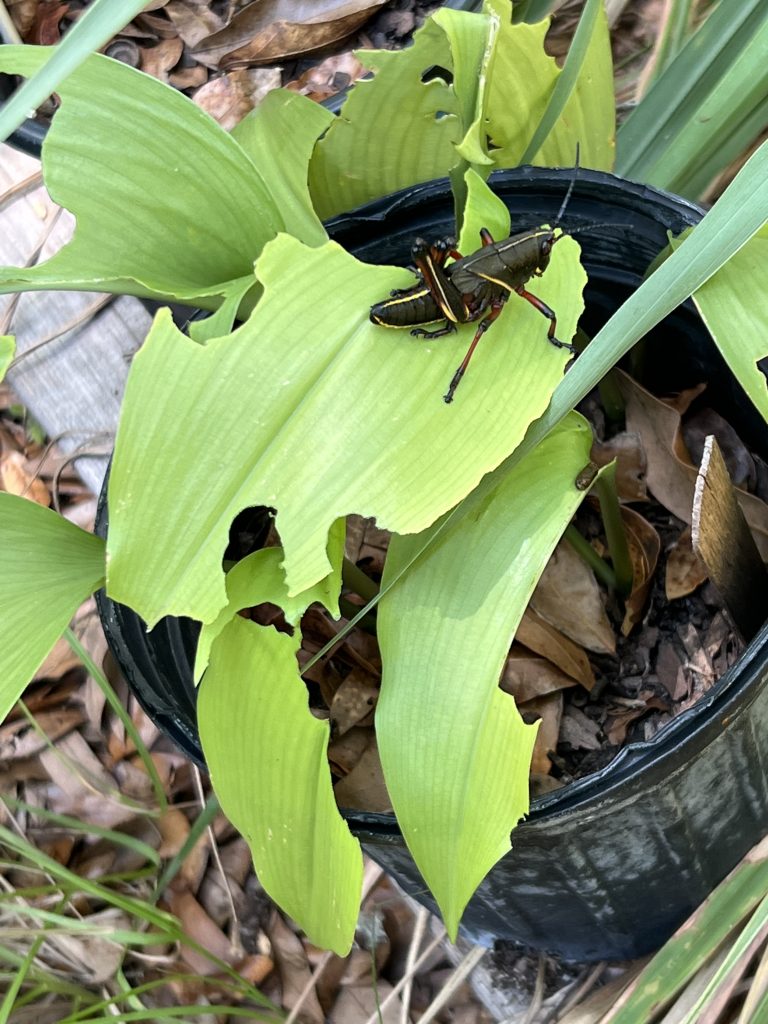
Threat to Vegetables: UF/IFAS Experts Provide Tips to Manage Eastern Lubber Grasshopper
Eastern lubber grasshoppers are out in force throughout the Southeast, including some parts of Florida. They’re munching on landscape plants, citrus and vegetable crops, while gardeners and growers are trying to minimize the damage. These insects can be found from March to April to about October to November in North Florida and the state’s Gulf Coast. They can be economically …