









Clint Thompson
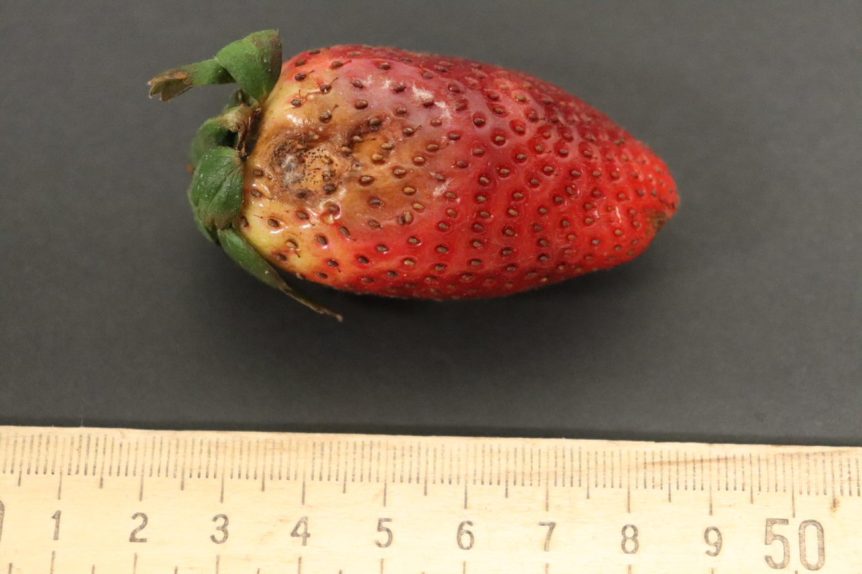
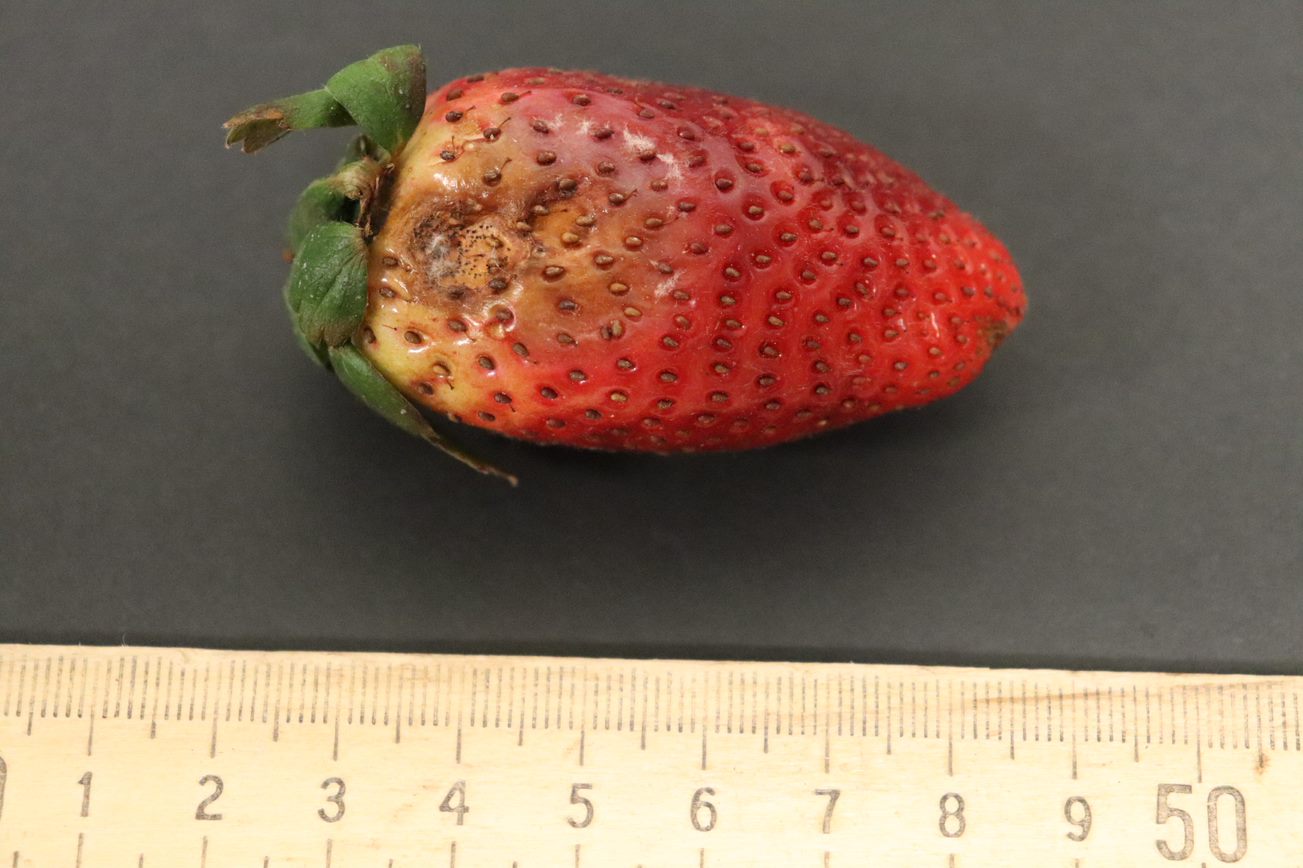
Neopestalotiopsis (Neo) is observed in Georgia strawberry fields. Fortunately for producers, it is not being reported at levels that were seen a year ago, according to Phil Brannen, University of Georgia Cooperative Extension fruit disease specialist.
“I don’t know how bad it is, but we do have some. Again, it depends on the source of the plants and whether they came in with the disease,” Brannen said. “We’ve got the same thing again this year where some of the sources had it, and therefore we’ve got growers that have it. We got probably less of it initially than we did last year, for sure, overall. A lot of the people have been very serious about going through and checking with the nurseries to figure out if they’ve had a problem in the past or if they’ve had a problem this year.
“Overall, it’s better as a start this year than it was last year. But it’s still out there, and we do have some pretty significant infection events bringing in plants from nurseries with the pathogen. We know it could be a problem this year again in certain locations.”

Disease Background
Neopestalotiopsis has been a danger to strawberry plants every year since it was first discovered during the 2018–19 season on five farms in Florida. The disease’s initial discovery was attributed to one nursery source in North Carolina. More than 20 farms experienced the disease during the 2019–20 season after it was attributed to two nursery sources early in the season in North Carolina and Canada.
Plant source remains a key determining factor in the disease’s impact every year. Brannen noted in August 2024 that nurseries canceled orders or advised plug plant growers and producers to take plants at their own risk because of the threat of the disease. More growers resorted to obtaining plants from the western U.S. this year and not from the traditional northeastern nurseries.
“It still goes back to bringing in the plants with it. I think if you can bring in pretty good plants that don’t have it, you’re less likely to have a problem, if you’ve had it in the past,” Brannen said. “If you can rotate out for a year or two, you’ll be much better off.”