









Weekly Field Update
Clemson Extension agents provide updates in The South Carolina Grower this week about the status of various crops being produced throughout the state.
Coastal Region
Zack Snipes
- We have some rain on the way, and boy do we need it. It has gotten very dry down our way.
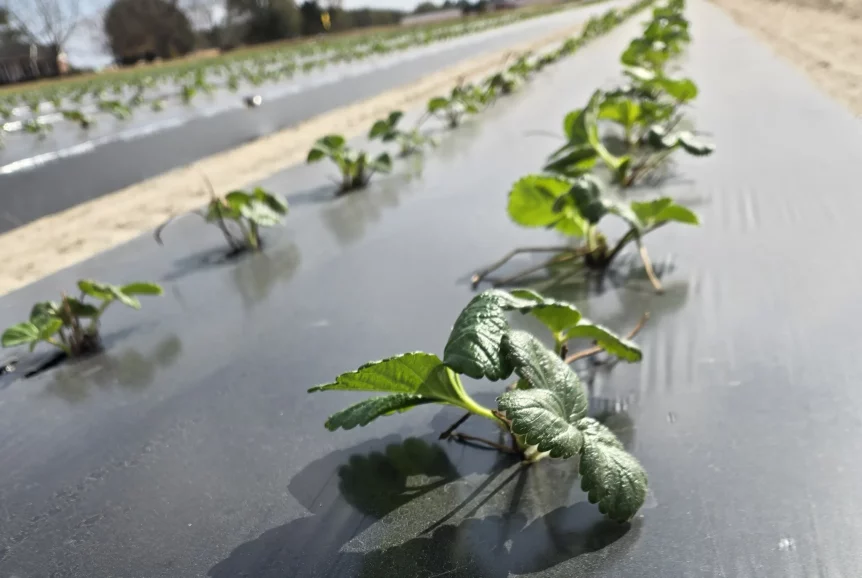
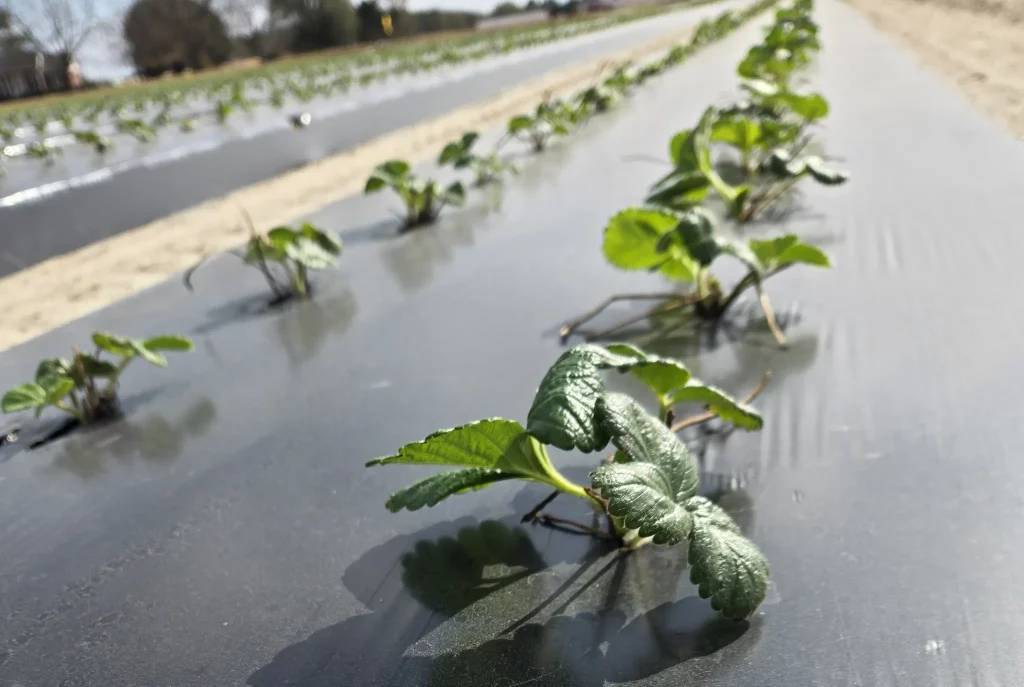
- Strawberries look great and are putting on fall crowns. We ideally want 2 to 4 large crowns before going into dormancy for the winter. I have seen spider mites in certain varieties, so do not let your guard down. Get out and scout. If you decide that a miticide treatment is necessary, keep in mind that mites are not very active in cooler temperatures (under 55 degrees Fahrenheit), so miticides will be ineffective when sprayed in cooler temperatures.
- The Southeast Regional Fruit and Vegetable Conference is slated for early January. If you have never been, this is an absolutely amazing conference and well worth the time and expense. The Thursday before the Expo, the South Carolina Small Fruit Growers Association will have an all-day educational session in Savannah. I would highly encourage growers to sign up for both events. Registration for both events can be found here.
Midlands
Rob Last
- As we move into the week, rainfall chances are increasing which will be very welcome for most crops. Temperatures are expected to remain on the cooler side for the rest of the week. Monitoring for disease activity and pests will be critical.
- Overall, crops appear healthy, with some instances of cabbage aphids detected in brassicas.
- Strawberries are moving on with some crops beginning to form the second crown. Crops are behind schedule compared to our expectations for this year as we enter December and January, raising the question of whether to cover the crop to increase growing degree-day accumulation.
- At a baseline temperature of 50 degrees Fahrenheit, we look to accumulate 630 to 800 growing degree days (GDD) for optimal crown development in the fall. Considering two weather stations in the Midlands, one located closer to Lake Murray, and the other further away, we have accumulated 463 GDD at the closer station and only 193 GDD at the station further away. Taking the average of these figures, the accumulation of GDD approaches 328 (assumed planting date of Oct 20 up to Nov 30).
- In all of these scenarios, utilizing a floating row cover and monitoring temperatures recorded underneath can be justified after calculating your own achieved growing day degrees. (Local Weather Data is available from Clemson Weather Station Data). Typically, recommendations would be to use a floating row cover with a weight of 0.5 to 0.75 ounces.
- There are a couple of considerations before covering strawberries.
- Covering crops can provide favorable conditions for disease development. Therefore, a multi-site protectant fungicide can be justified before covering. Captan or Thiram can be a good fit here, observing the REI.
- Covers can also provide a beneficial climate for spider mite populations to increase rapidly.
- Don’t forget it may be essential to apply a fungicide or miticide when crops are uncovered.
- Growing Day-Degree Calculation
- [(Daily max Temperature + Daily Minimum Temperature )/2]- 50 baseline temperature.
Sarah Scott
- Peach growers around the ridge are prepping fields for winter tree planting. A major issue for growers is tree loss due to armillaria root rot. One of the ways to extend tree life and slow the ARR is to plant trees on raised beds (berms) which we are able to create in the fields by using modified levee plows. Planting trees on berms also helps with other root rot issues by keeping roots from sitting low in the soil which can be especially damaging in prolonged periods of rain where fields hold water.
- As many around the state are reporting, strawberries are growing slowly, likely due to the cooler weather we’ve had. No reports of disease issues as of now.
Pee Dee
- We had some cold nights in the 20s over Thanksgiving weekend here in the Pee Dee along with some rain last night. Looks like cold weather is here to stay! The freezes we had over the weekend put an end to any summer fruiting vegetables like squash that were still trying to produce.
- Leafy greens like collards, broccoli and cabbage were harvested in great volumes last week. I am seeing purpling on leaves due to decreased P uptake but other than that, no real issues.
- Strawberries are progressing well with no real issues. The cooler weather has kept spider mites away and growers now are focused on accumulating GDD for crown development. Many growers have been using liquid fertilizer over the tops of plants these last couple of weeks to help push growth going into the winter also. Use this link to calculate the Growing Degree Days in your area.
- Remember that row covers are the perfect environment for disease and insects to also thrive under, so make sure to get a spray out before putting out the row covers for several days.