









By Clint Thompson
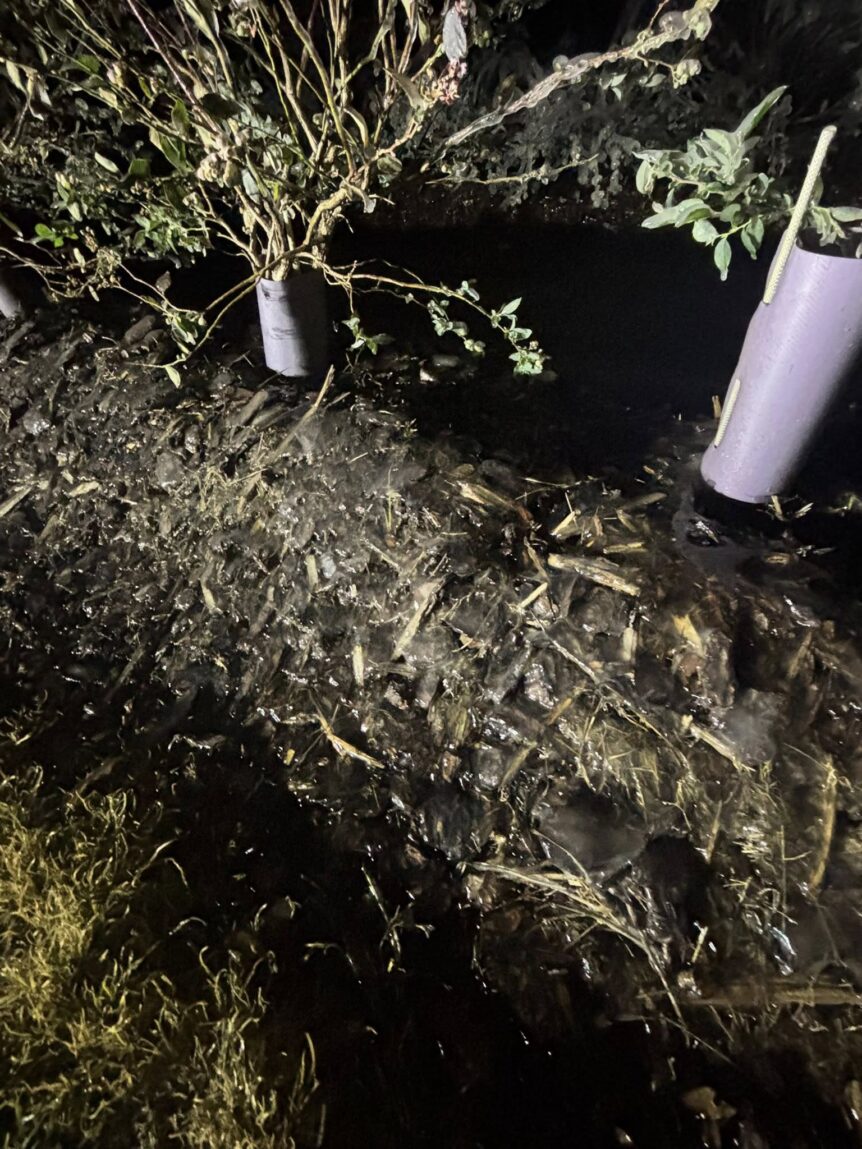
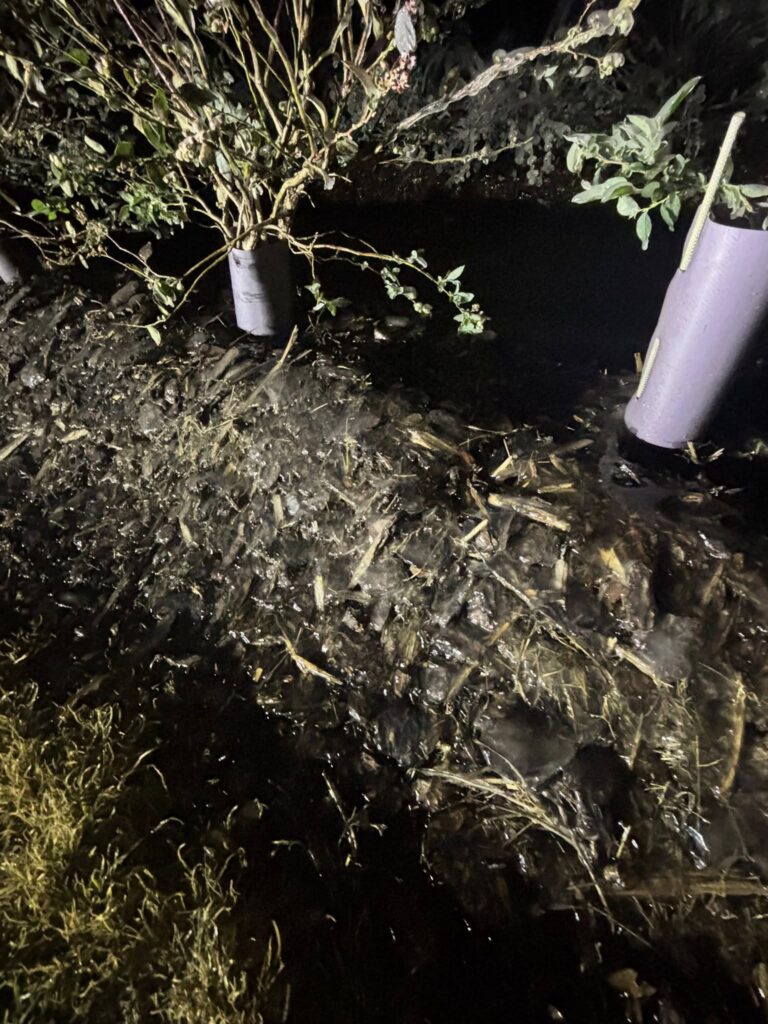
Florida’s blueberry farmers are busy assessing damage sustained from last weekend’s winter storm.
While it may not be for some time that growers get a clear picture of how much damage occurred from low temperatures and high winds, it is certain that there was impact. That is according to Doug Phillips, University of Florida Institute of Food and Agricultural Sciences (UF/IFAS) blueberry Extension coordinator.
“There’s going to be some damage. It’s a little early to tell how much yet. I think growers are going to be assessing damage throughout the week and maybe a little after,” Phillips said. “I’ve talked to a number of growers, and it was an extreme weather event we had this weekend. I’ve talked with folks that said they haven’t seen anything like this in years.
“We had very low temperatures, very low dew point and high sustained winds Saturday night which are very difficult conditions to freeze protect under. You’re trying to form layers of ice to protect the plants, and with the wind blowing around it, it’s tough to get good coverage on that. With those extremely low temperatures, it’s very hard to freeze protect even without factoring the wind in.”
Vulnerable Blooms, Fruit
Phillips said many of the varieties in central and southern Florida already had blooms and tiny fruit already in place for the upcoming harvest season. Obviously, that is where much of the concern lies with respect to assessing any freeze damage.
“There may be some varieties in North Florida where you still have some closed flower buds that may have been a little bit more cold hardy but certainly throughout central Florida, I saw a lot of bloom out there; some fruit; in South Florida, again, some bloom and some fruit,” Phillips said. “South Florida had very low temperatures; obviously, not as cold as the rest of the state. We’ll see how everybody comes through it.”
One thing that blueberry growers must also consider is disease buildup, especially after all of the water that was applied in attempts to freeze protect.
“One of the things you think about after an event like this as far as disease is you’re going to have saturated conditions in those fields from running water for a couple of days straight and from all the ice melting,” Phillips said. “We’re going to put together some information that we’ll get out to growers about different disease protective type of things that they should consider after an event like this.”