









By Clint Thompson
Elderberry is a high value crop that Alabama Extension is hoping growers can take better advantage of.
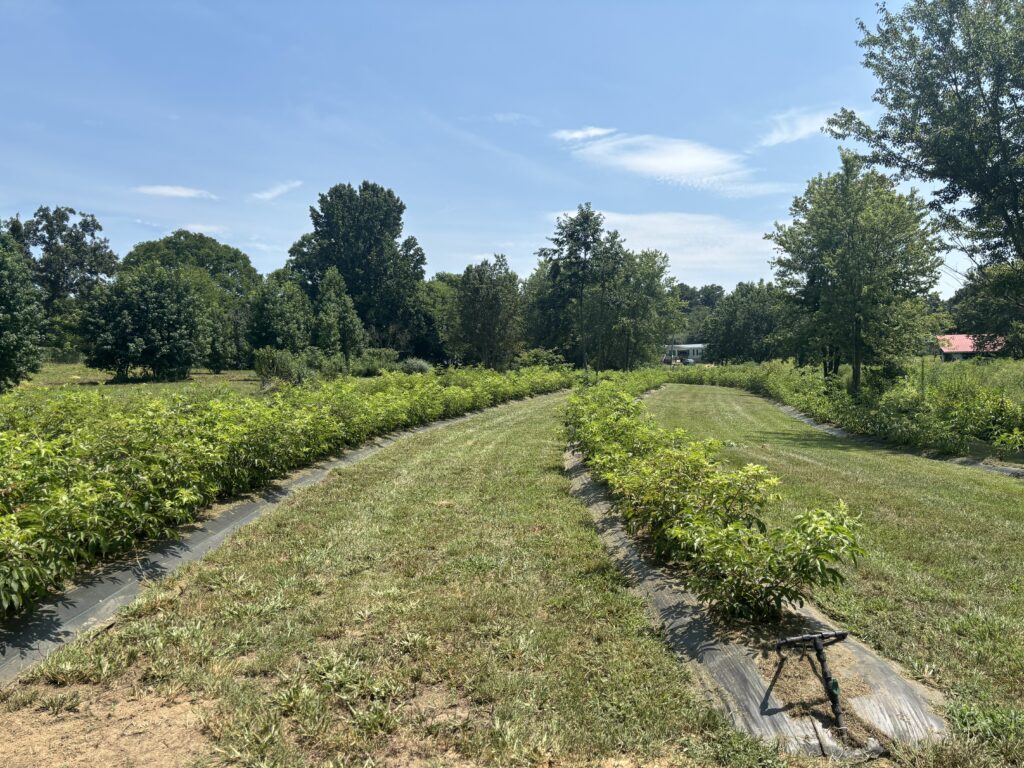
Holt Akers-Campbell, Alabama Extension agent in Northeast Alabama, said there is not an Alabama producer who produces elderberry on a large scale. It’s been mostly reserved for small growers, but the potential is there for it to grow in popularity.
“It’s a high value crop and especially if you work in value added products, there’s an opportunity to make a relatively high amount on a small acreage, and there’s some opportunities to aggregate product with other existing elderberry co-ops and growers who are looking to source American elderberry,” Akers-Campbell said.
What is Elderberry?
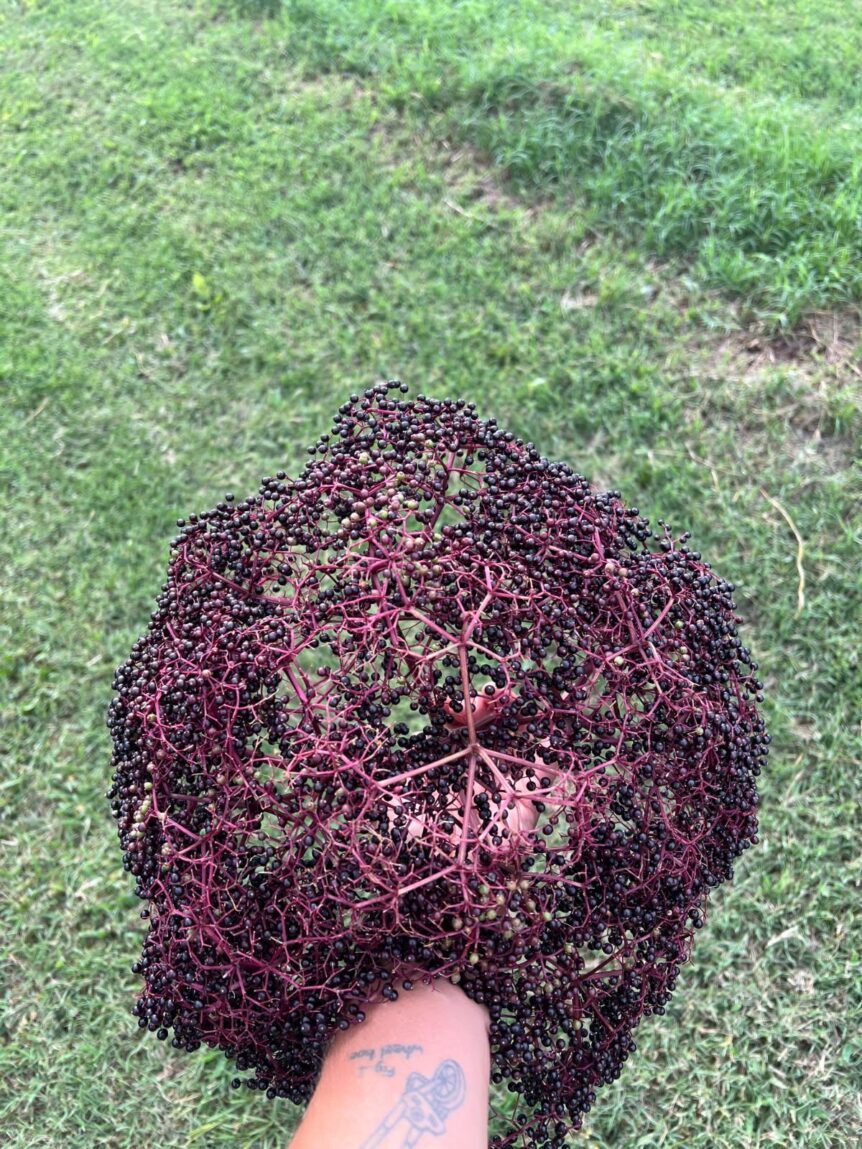
Elderberry is a dark purple fruit, mostly used in folk medicine and other culinary products. The berries are high in valuable nutrients once they are cooked. They are packed with vitamin C, dietary fiber and antioxidants. Their interest increased during COVID.
“I think the product people are most familiar with is probably the elderberry syrup, which a lot of people like to take for colds and other ailments like that. There are dried flowers for teas, elderberry wine. You can use it in pies and any number of products like that,” he added. “I think interest in elderberry general sort of exploded with COVID as people were trying to find relevant medicines and products that might help with that. So that may have accelerated it some.

“And then of course, as land becomes more expensive, you have more farmers looking for high value specialty crops. And this is just one of our native fruits that’s been sort of underdeveloped as a crop at this point.”
Most of the elderberry sold in the U.S. is European elderberry, but there is a push to create opportunities for American farmers to grow American elderberry.
“I see the product sold in a lot of local farm stores, where the grower, at local farms, they have their own store and they’re selling elderberry syrup that they’re buying from someone else. And then of course, this stuff’s in Walgreens and Walmart and everything else,” Akers-Campbell said. “It’s just a matter of can you find the right scale and do you have the right equipment and facilities to either process it yourself and you’re doing the whole thing or you’re at a scale where you can sell five gallon buckets of bulk frozen berries, and can you make the economics of that work for you?”