









By Clint Thompson
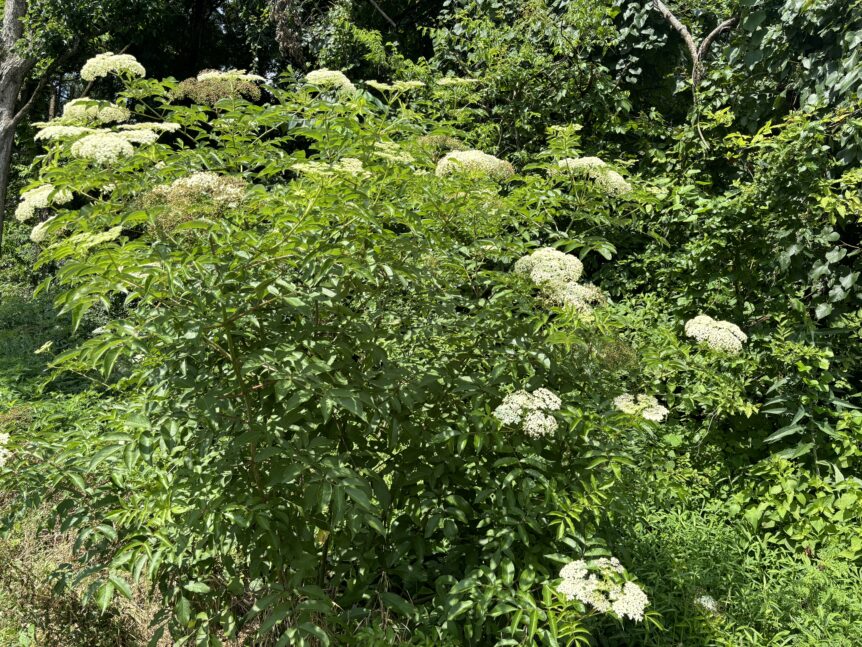
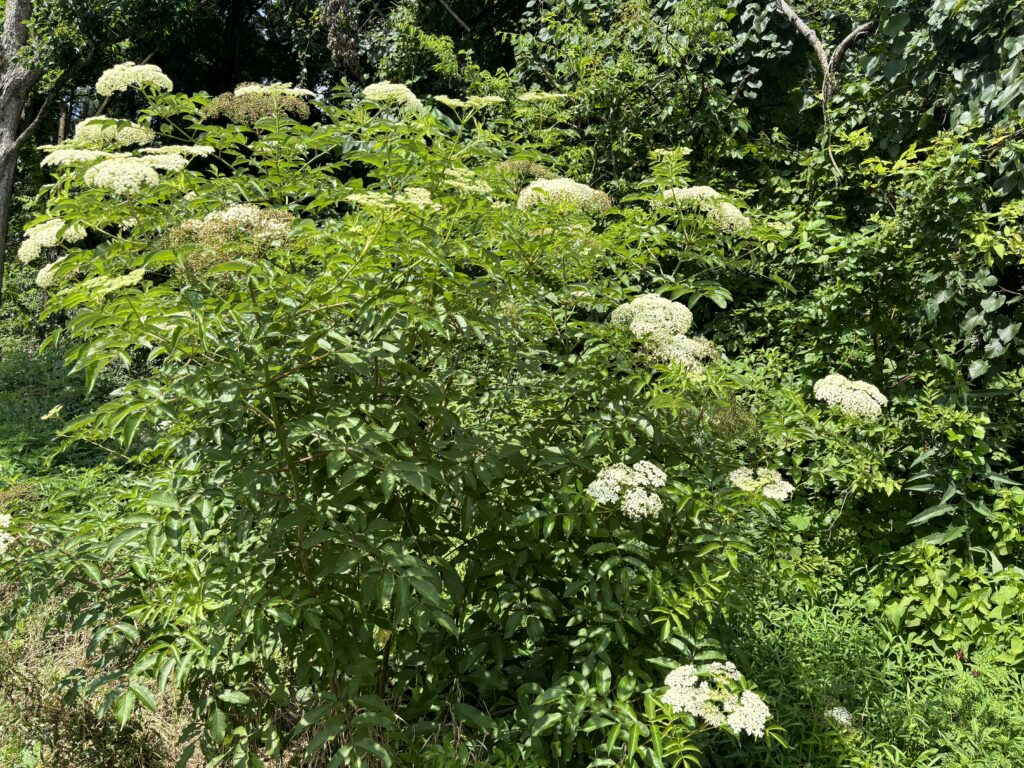
Alabama specialty crop producers who are contemplating elderberry as a potential alternative to their farming operations must know how it is used once it is harvested.
Holt Akers-Campbell, Alabama Extension agent in Northeast Alabama, discussed that part of the elderberry farming process in an interview with AgNet Media.
“They’re usually either quickly frozen or dried. Typically, they’re harvested, washed, destemmed, and then basically immediately frozen or dried,” Akers-Campbell said. “Then there can be additional value adding from there into syrups. Or you can refrigerate them and then process them, but they’re usually very quickly dried or frozen.”
Elderberry is a dark purple fruit, mostly used in folk medicine and other culinary products. The berries are high in valuable nutrients once they are cooked. They are packed with vitamin C, dietary fiber and antioxidants. Their interest increased during COVID.
Akers-Campbell advises potential growers that the biggest challenge pertains to processing and storage.
“They’re relatively easy to grow,” he said. “The hard part is getting the berries off and processing them efficiently; and then especially if someone’s wanting to do value-added products, getting set up on everything you need to commercially safely process and create those value-added products.”
If growers can successfully navigate those challenges, they can take advantage of elderberry’s potential as a high-value crop.
“And then of course, as land becomes more expensive, you have more farmers looking for high value specialty crops. And this is just one of our native fruits that’s been sort of underdeveloped as a crop at this point. I mean, 100 years ago, blueberries were still basically a wild plant,” he noted. “Everything starts somewhere.”