









By Clint Thompson
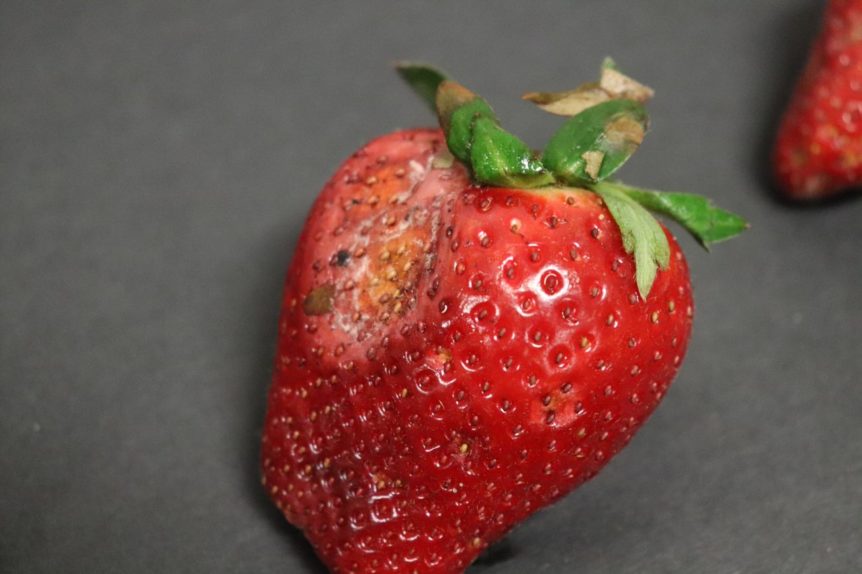
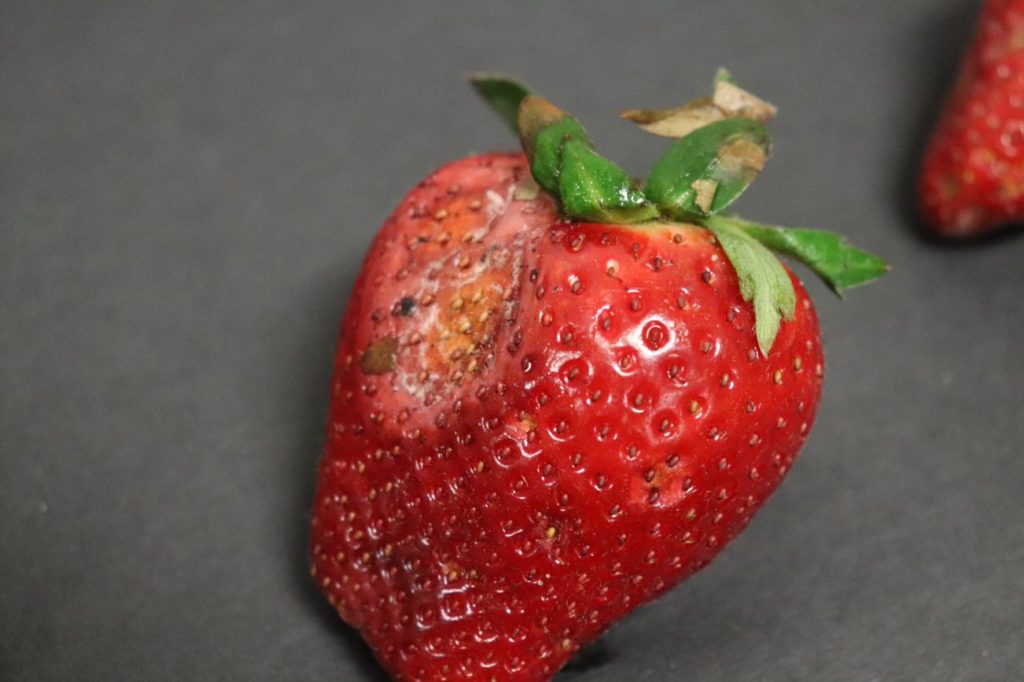
What a difference a year makes for Alabama strawberry producers. Expectations are that the growers’ problems with Neopestalotiopsis (Neo) disease in 2025 will not be as problematic this year, according to Ed Sikora, professor and Extension plant pathologist in the department of entomology and plant pathology at Auburn University.
The key has been where growers sourced this season’s plants.

“Neopestalotiopsis was a terrible problem last year, as it was coming in on the transplants. Every grower that had planting stock out of Canada had Neo going into the season,” Sikora said. “The disease took off a bit in the fall just killing off transplants. I think we were fortunate with a dry fall to slow it down, but once we started hitting those spring rains, Neo took off. We also had problems with botrytis and anthracnose as well. Neo was the main factor last year.
“This year I know a number of growers, like two-thirds of our growers were getting bare root plants out of California and Idaho where we don’t think the disease is present. They’re starting off fresh, more or less. We’re telling them to move to new fields if possible. I think the Neo problem will be lessened. But I know we have plants coming in from Canada again, so I’m curious to see what happens there.”
Disease Background
Neopestalotiopsis has been a danger to strawberry plants every year since it was first discovered during the 2018–19 season on five farms in Florida. The disease’s initial discovery was attributed to one nursery source in North Carolina. More than 20 farms experienced the disease during the 2019–20 season after it was attributed to two nursery sources early in the season in North Carolina and Canada.
It can lead to severe leaf spotting and blighting under favorable weather conditions, specifically during extended periods of wetness.
“Once you start getting below 50 degrees on a regular basis, Neo just goes dormant. Once things start to warm up, Neo will become active,” Sikora said.