









Weekly Field Update
Clemson Extension agents provide updates in The South Carolina Grower this week about the status of various crops being produced throughout the state.
Coastal Region
Anna Sara Hill
- The beginning of February was marked by snow and sub-freezing temperatures. The low recorded at Edisto Research and Education Center near Blackville was 15.7 degrees Fahrenheit (F) on Feb. 1, and 16.5F on Feb. 2, and the snow was about one-inch deep.
- Growers are busy re-doing waterways and preparing new land for watermelons and spring crops.
- Due to the warm weather we had over Christmas and around New Year’s, some blueberries broke dormancy early. It is best to prune blueberries in mid-February, but do not do so within 24 hours before or after a rain event. Blueberry bushes that are less than 5-years-old need minimal to no pruning. Older bushes (5 years or more) do need pruning. The objectives of pruning are to open the center to let light reach deep into the plant; cut out dead wood; trim plants to an accessible height and improve production.
- To open up the center, select three of the oldest and largest canes and cut them out. Also, remove any dead wood.
- Prune tall canes to chest height so that the berries are easy to pick. Remember, the canes will grow 3-to-5 feet, and if they are pruned too high, the berries will be out of reach. Also, the bushes will be too high to spray.
Zack Snipes
- We are in the middle of a long cold spell. I am hoping things warm up so we can get out in the fields.
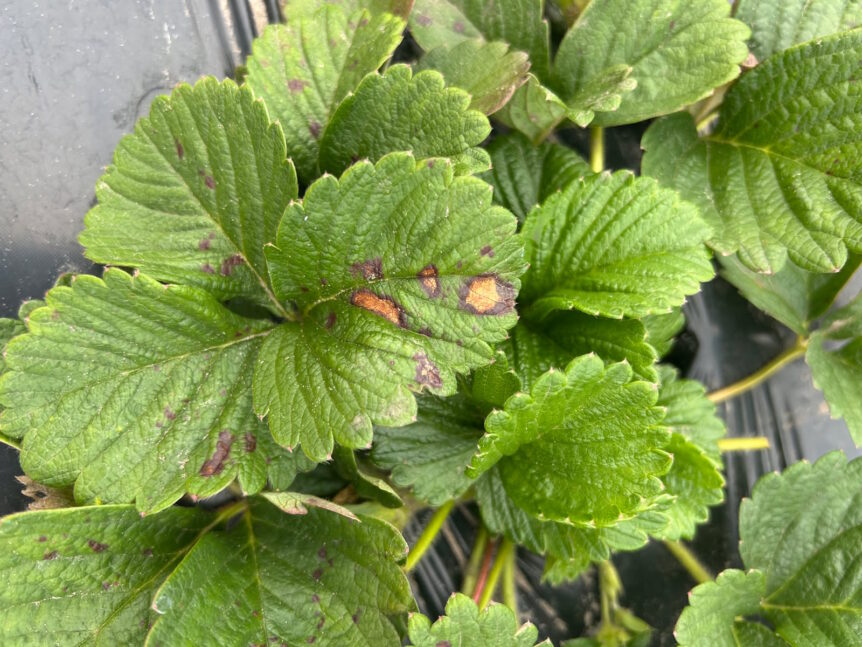
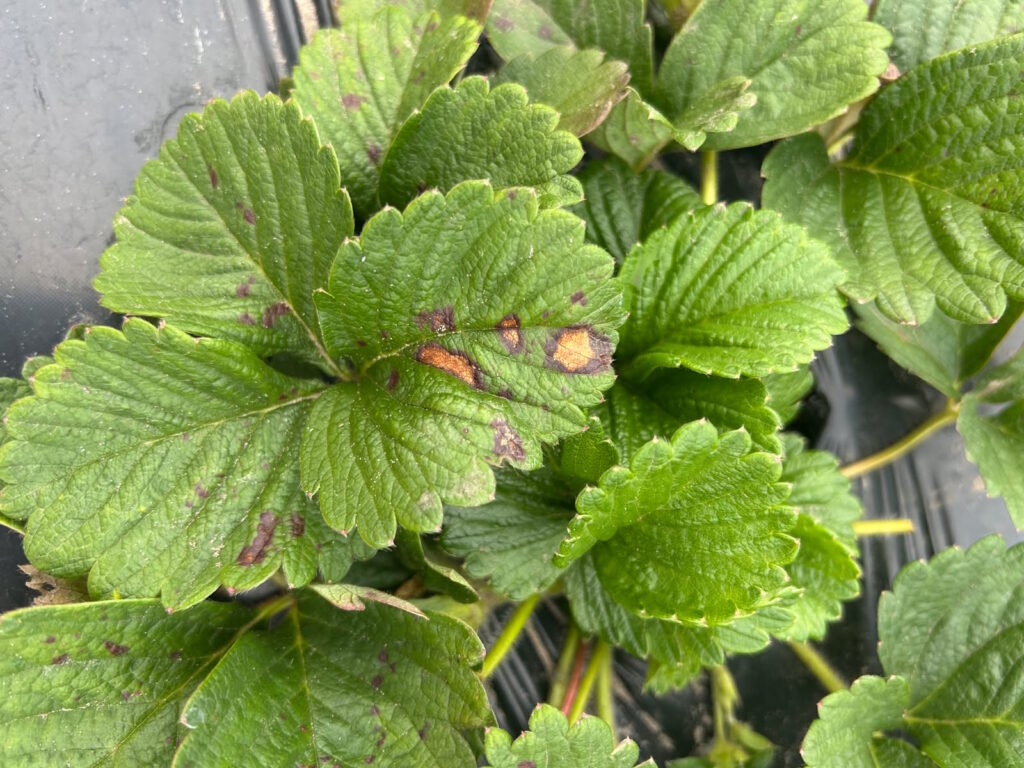
- Many growers had row covers on strawberries and other tender leafy greens, so there hasn’t been much to look at lately. I have seen some suspicious looking leaf spots on strawberries as of late. We need to get samples to the lab to positively ID what is going on. I am worried we have some diseased or damaged tissue that will become excellent infection sites for many of our pathogens.
- Most growers are busy fixing equipment or preparing soil for spring crops.
Midlands
Rob Last
- As temperatures are now forecast to rise over the next week, it is time to remove row covers. When we remove covers, it is normal to see some burns on the leaf margins where cold, often frozen, row covers contact or rub against the foliage. These effects will diminish over time.
- Inspect crops closely for pest and disease activity, and be prepared to apply fungicides or miticides where required.
- Inspect crowns of strawberry plants for any softening and browning of the interior tissues, which can be a sign of pathogen infection or freeze damage. If you are unsure, reach out, and your agent will be happy to help.
- Inspecting tree crops for splits in branches and trunks caused by rising sap freezing, expanding and creating injury. These wounds can be a great method for pathogen entry and colonization.
Upstate
Samantha Brown
- In the Upstate, we received a blanket of beautiful white snow that covered the ground ranging from 2-to-4 inches and possibly more in other areas. While snow is generally beneficial as it acts as insulation, we need to be on the lookout for freeze damage as we have some cool temperatures at night in the forecast.
- On strawberries, be looking 3-to-7 days after thawing for water-soaked or darkened crown tissue and wilting due to the 50-degree temps during the day. If you notice any crown injury, you can split the crown to assess the tissue. Healthy plants will present a white/cream color.
- Winter vegetable crops generally tolerate snow. Possible issues to look for are leaf burn after thaw and soft rot if wet conditions persist.
- If you have an area that holds water, be on the lookout for botrytis (gray mold) as the risk increases.
- After two weekends in a row of crazy weather, I am ready for some warmer temperatures.