









By Clint Thompson
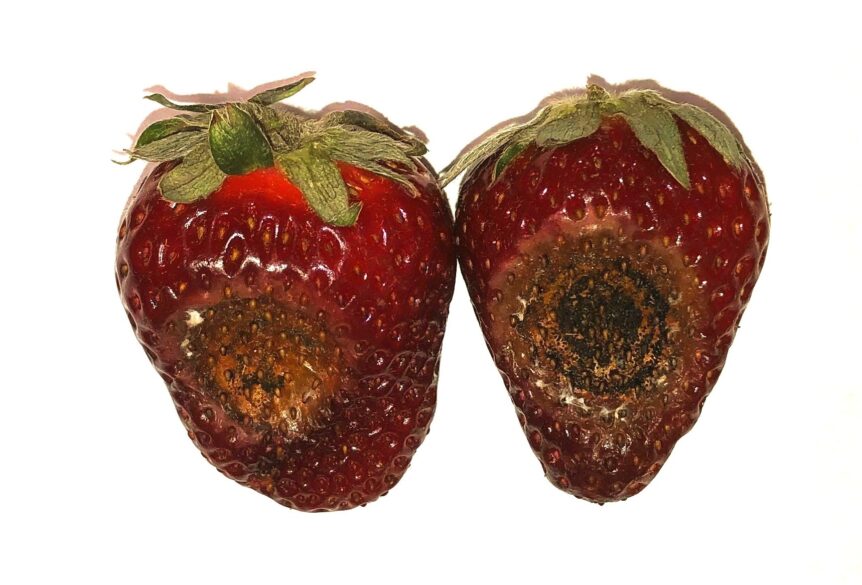
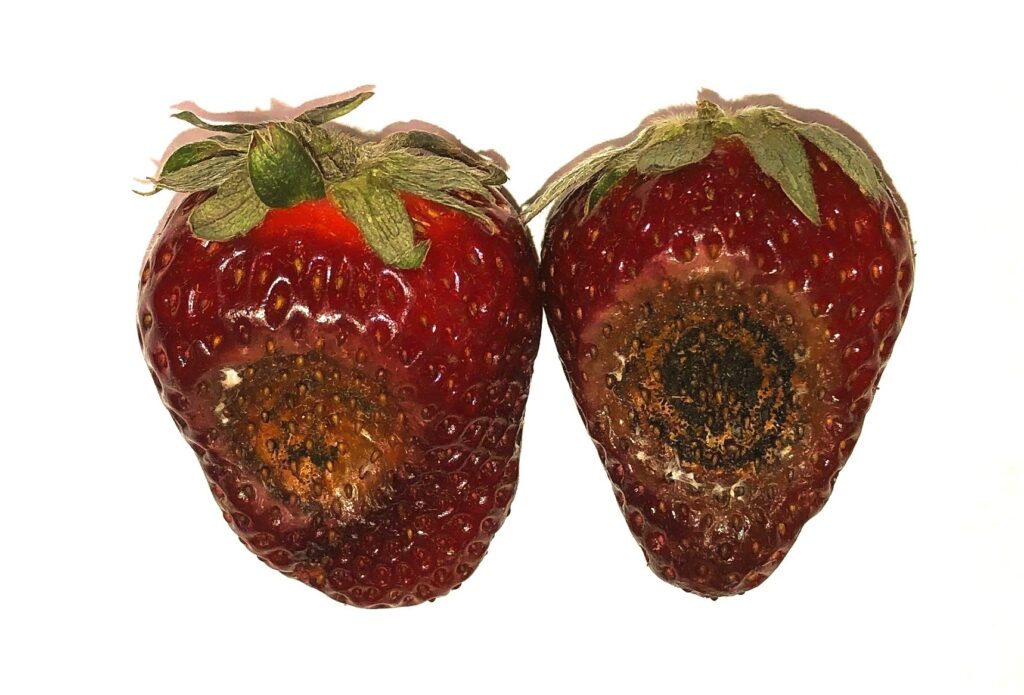
Neopestalotiopsis (Neo) disease in strawberries is a major issue for Southeast producers, especially as they begin another production season and amid a super El Niño weather event.
For university researchers in the region, including those at Clemson University, they are studying varieties that could tolerate or resist the disease and mitigate its impact.
Melissa Muñoz, a small fruit horticulturist at Clemson, is evaluating different cultivar performances against the disease in South Carolina.
“So on the horticulture side, we’re following the standard procedures that the growers usually do, and just under that scope, seeing how the different cultivars respond to the disease, in terms of yield, post-harvest productivity and other post-harvest attributes as well,” she noted. “We have a full set of different cultivars where some are more tolerant and some that are more susceptible. We have a few that we know that the fruit are very susceptible, not only to Neo, but also to other diseases as well. We have some that, at least based on the breeding programs where they come from, they are less susceptible or more tolerant.”
Disease Background
Neopestalotiopsis has been a danger to strawberry plants every year since it was first discovered during the 2018–19 season on five farms in Florida. The disease’s initial discovery was attributed to one nursery source in North Carolina.
The disease’s threat extends beyond Florida to include Georgia, Alabama and the Carolinas. Clemson research is vital to South Carolina growers. Muñoz and her colleagues should get better data this season following last year’s extended dry weather yielded minimal disease impact.
“Because it was such a dry and hot year (last year), the disease pressure was lower in comparison to other years,” she noted. “So far, I will say this year looks very promising for Neo-P evaluation because it’s already been more wet.”