









By Clint Thompson
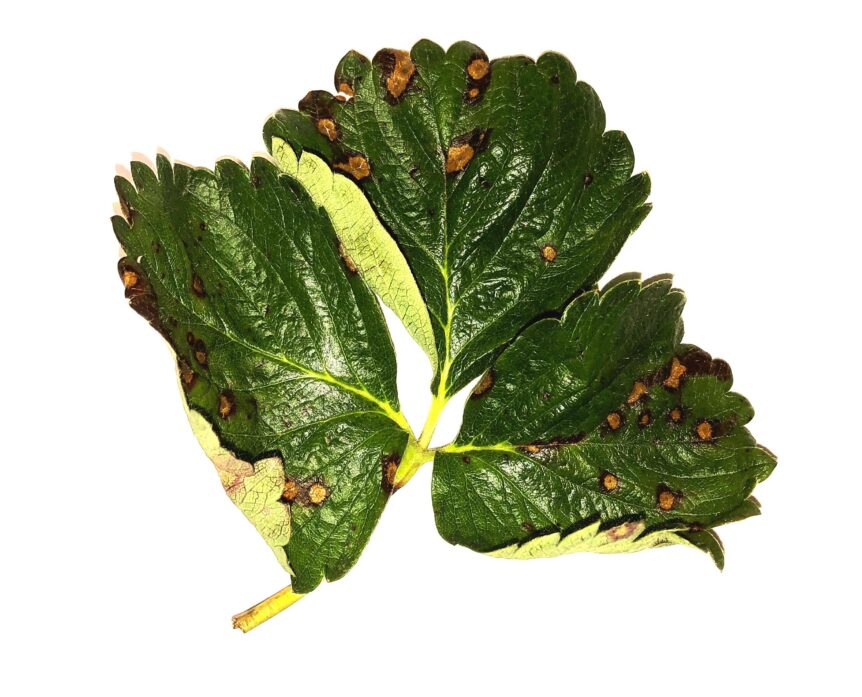
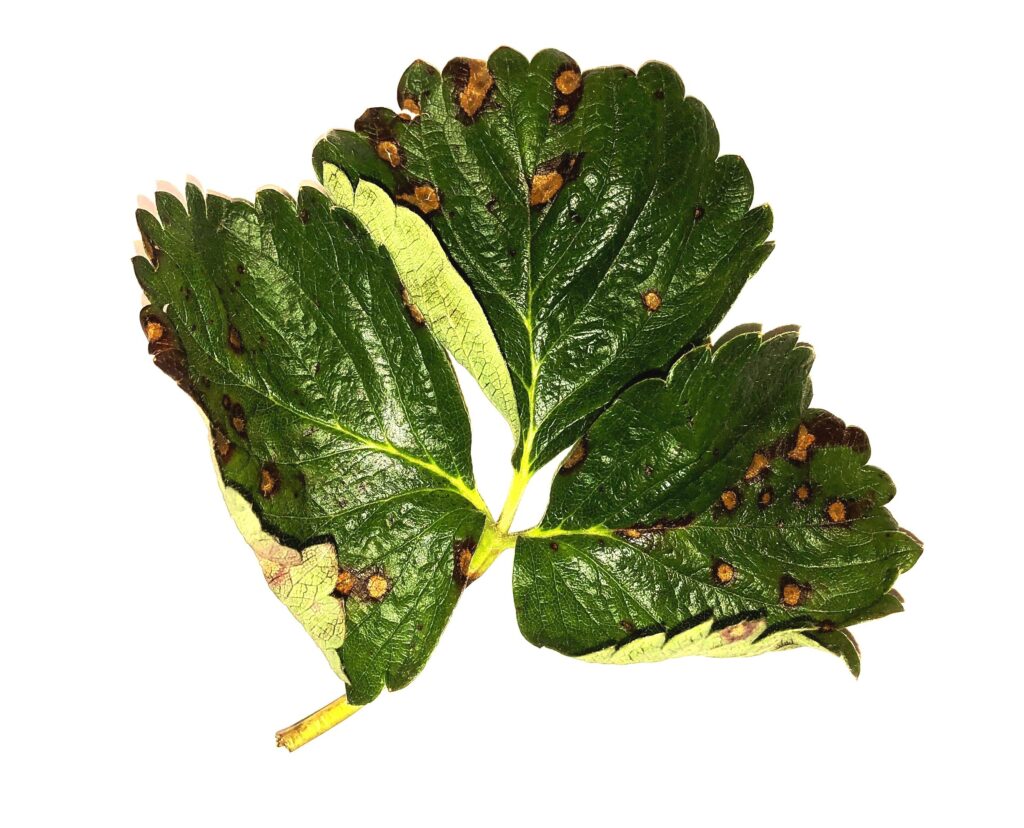
North Carolina (N.C.) strawberry growers are still coping with how to best manage Neopestalotiopsis (Neo) disease. It’s a challenge that producers and industry leaders, like Mark Hoffmann N.C. State Associate Professor and Small Fruits Extension Specialist, are struggling to get a handle on.
“I would say at the moment we don’t know exactly how to handle Neopestalotiopsis, and I think that’s quite a challenge for the growers,” Hoffmann said. “We’re developing tools and like every year there’s new guidelines in there. Every year is a little bit better but there’s so many open questions about that particular disease that it’s quite challenging right now for a grower; especially for smaller growers to really get the information and also know where to get plant material from and how to make sure the plant material is not infected.”
Disease Background
Neopestalotiopsis has been a danger to strawberry plants every year since it was first discovered during the 2018–19 season on five farms in Florida. The disease’s initial discovery was attributed to one nursery source in North Carolina. More than 20 farms experienced the disease during the 2019–20 season after it was attributed to two nursery sources early in the season in North Carolina and Canada.
Clean plants are a key in helping deter the disease’s impact, though that can be easier said than done.
“That’s a big statement to make that I have clean plants, right? Like even the guys, even the nurseries that are indoors and produce everything indoors, even they don’t make that statement that say, ‘Hey, our plants are 100% clean, right?’” Hoffmann said.
“Making sure that you actually have clean plant material is extremely challenging, right? Because you don’t know. The testing mechanisms for us to understand or even to test for Neopestalotiopsis before they go into the field, those tests don’t exist. We cannot mass test plants at the moment, and we just don’t have the capability to do that. That always leaves a risk.
“We just don’t know enough about the pathogen to really say this is a clean plant.”