From Farmer to Legislator

Web AdminLegislative, Top Posts, VSCNews magazine

Those with deep agricultural roots in Florida and Georgia discuss their journey into the world of politics. SONNY PERDUE U.S. Secretary of Agriculture Sonny Perdue never wanted to enter the world of politics. As a child he grew up on a diversified row crop farm close to Perry, Georgia. After high school, he attended the University of Georgia (UGA) with …

Advice for Growers Implementing the Produce Safety Rule

Web AdminBusiness, Food Safety, Top Posts, VSCNews magazine

By Travis K. Chapin and Michelle D. Danyluk Good agricultural practices have been followed by fresh fruit and vegetable producers for decades on a voluntary and market-driven basis to reduce risks from produce safety hazards. Such hazards include microbial pathogens, chemicals and physical hazards like broken glass or plastic. More recently, growers have been fulfilling the Food Safety Modernization Act’s …

Sneak Peek: June VSCNews Magazine

Web AdminLegislative, Top Posts, VSCNews magazine

Policies and regulations can impact a grower’s ability to make a living. The June issue of VSCNews magazine will be growers’ one-stop-shop for important governmental updates on the state and federal levels. Southeastern growers will get an overview of their state’s 2018 legislative session. Adam Basford, director of state legislative affairs for Florida Farm Bureau (FFB), gives a summary of …

Vegetable Pest Problems

Web AdminPests, Research, Top Posts, Vegetables

David Riley, a professor of entomology at the University of Georgia, says that two pests have been big issues for Southeastern vegetable growers: diamondback moth (DBM) and whitefly. DIAMONDBACK MOTH DBM continues to be a struggle for Southeastern vegetable growers, mostly due to insecticide resistance. Riley says that DBM resistance in cabbage and collards is a long-standing problem. “Diamondback moth …

Making Muscadine Grapes More Desirable

Web AdminGrapes, Top Posts

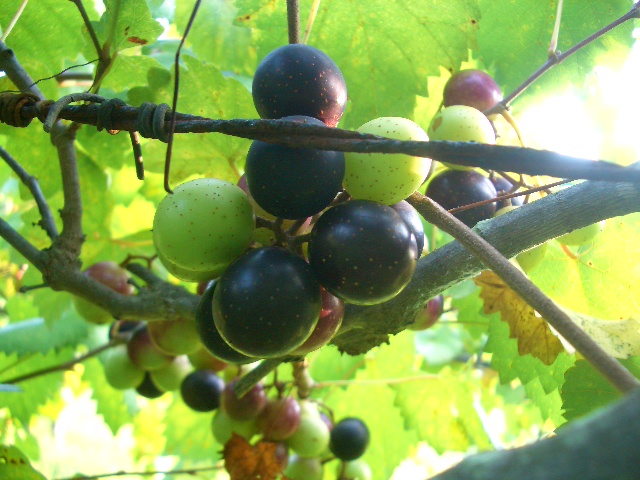
By Jaci Schreckengost A Georgia specialty crop has seen increased interest and more research for varieties and management strategies. Cain Hickey, Extension viticulture specialist at the University of Georgia (UGA), said that some aspects of muscadine grapes are sparking grower interest. Since the muscadine grape has grown and evolved in the humid conditions of the southeastern United States, Hickey said …

Pepper Weevil Woes

Web AdminPests, Produce, Top Posts, Vegetables

Pepper weevil has been a problematic pest in Georgia peppers, and now it appears to be moving into other crops. David Riley, a professor of entomology at the University of Georgia, has been studying pepper weevil since he received his doctorate nearly 30 years ago, and he was shocked to see this pest spread to other hosts. According to Riley, …

Florida NRCS Offers Sign-up for Apalachicola-Chattahoochee-Flint Rivers Project

Web AdminIndustry News Release, NRCS, Top Posts

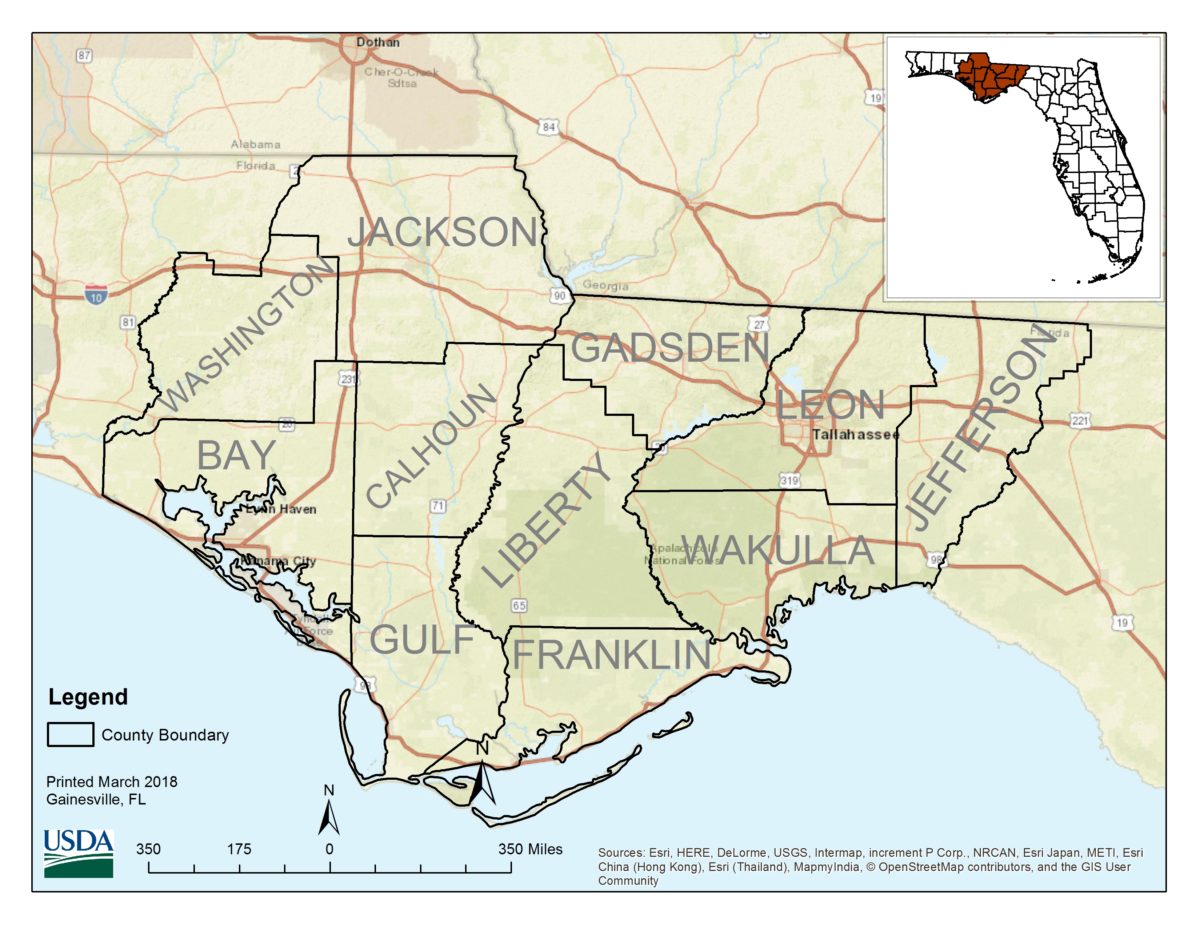
GAINESVILLE, Fla., March 13, 2018 — USDA’s Natural Resources Conservation Service (NRCS) is accepting applications from agricultural producers until April 30 for a Regional Conservation Partnership Program (RCPP) project that improves water quality and quantity. The “Apalachicola-Chattahoochee-Flint Rivers (ACFR) Conservation Partnership for Alabama, Florida, and Georgia” project in the ACFR basin covers 13 million acres in eastern Alabama, western Georgia …

Cool Temperatures May Pose a Threat to Southeastern Ag

Web AdminTop Posts, Weather

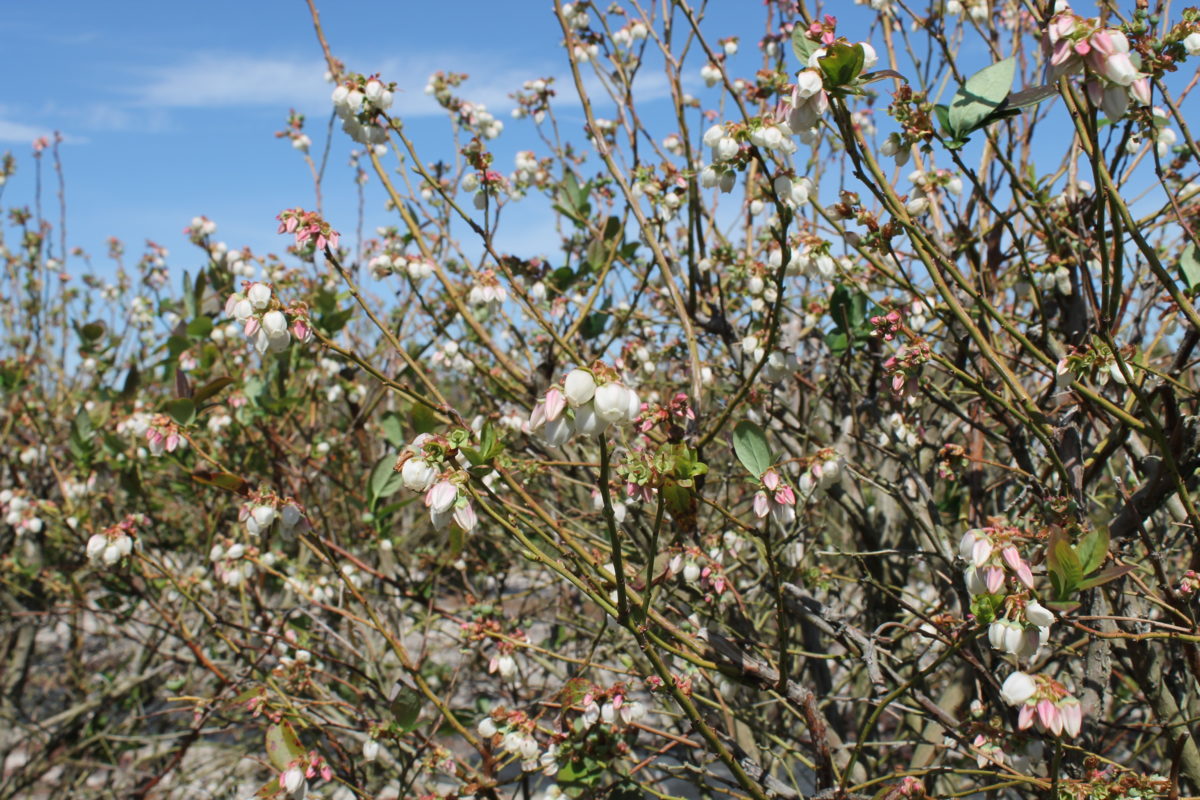
Southeastern regions experienced some cold temperatures this past week, and it appears the cold is sticking around throughout next week. These temperatures pose a big threat to blooming fruit crops. After seeing high temperatures in February, some 10 degrees higher than the average, crops like blueberries and peaches may have some freeze damage as temperatures continue to drop next week. …

Effective Methyl Bromide Alternatives

Web AdminResearch, Top Posts, VSCNews magazine

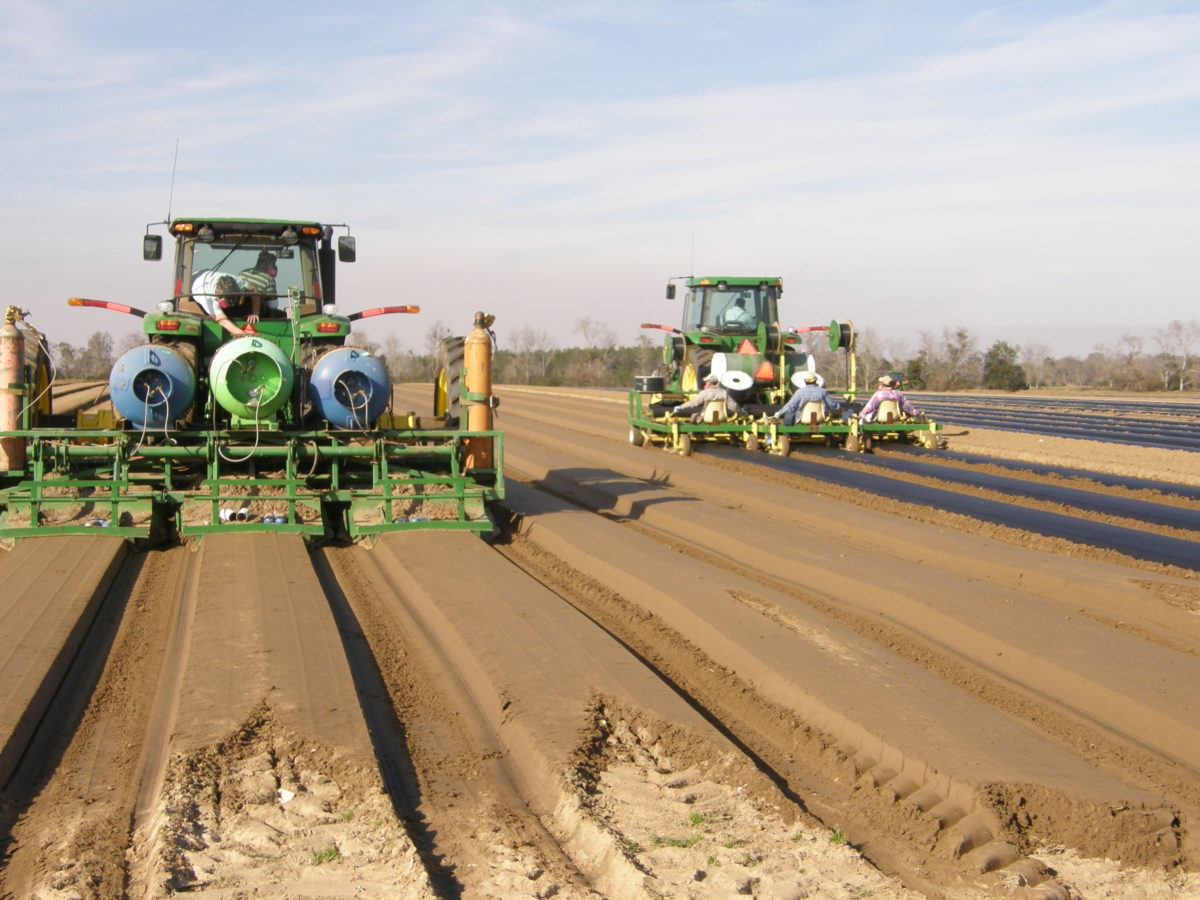
By Jenna C. Vance and Stanley Culpepper Effective alternatives to methyl bromide do exist for fruiting vegetable and cucurbit cropping systems in the Southeast; albeit these alternatives are much more complex than in the “golden” methyl bromide days. Growers need to be much smarter and more efficient in their decision-making process, and they need to better understand the factors that …

Sneak Peek: March 2018 VSCNews Magazine

Web AdminResearch, Sneak peek, Top Posts, VSCNews magazine

Growers are constantly looking for ways to better the health of their crops while increasing yields. In the March 2018 issue of VSCNews magazine, growers can learn methods to improve plant production from top researchers in the Southeast. Finding alternative methods to methyl bromide has been a constant struggle for growers. Jenna C. Vance, University of Georgia (UGA) crop and …