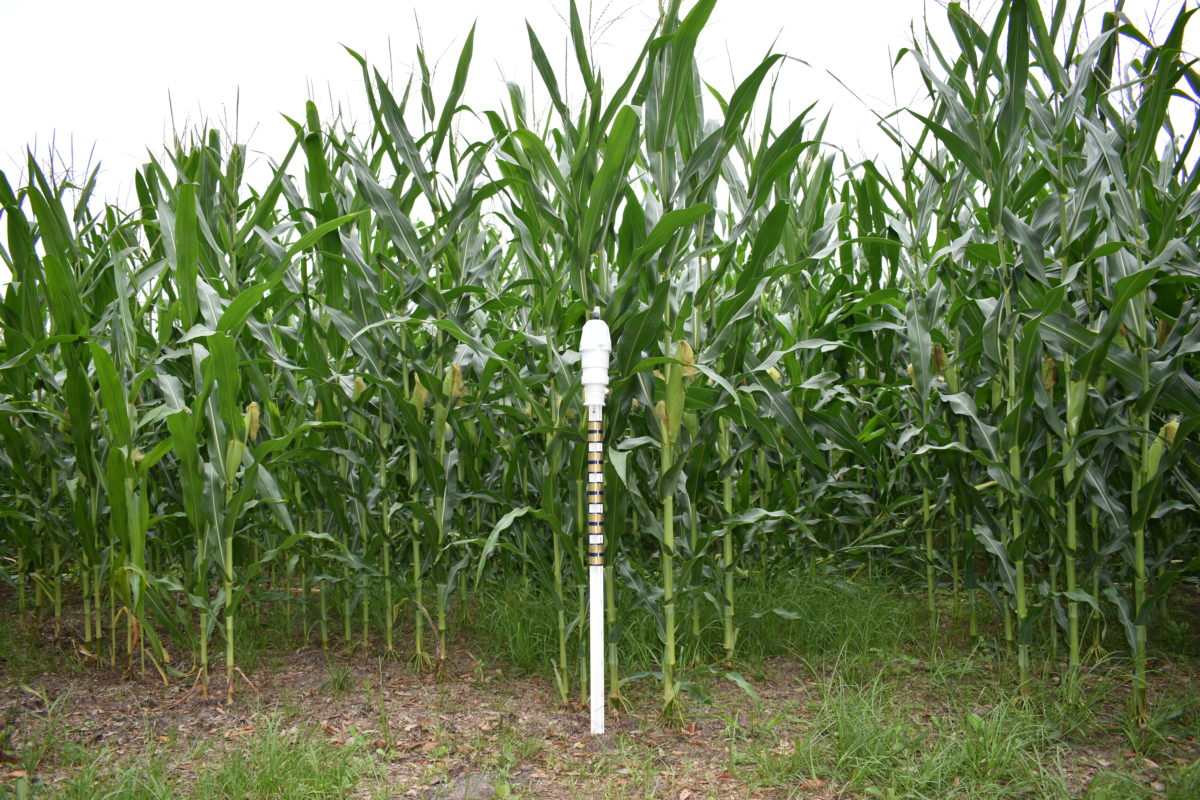
By Charles Barrett Soil moisture sensors are useful for making irrigation decisions, record keeping and monitoring plant roots. Knowing where a crop root zone is or is not helps fine-tune an irrigation schedule. Here is how: DETERMINING HOW MUCH WATER TO APPLY An irrigation schedule is a game plan for how a crop will be irrigated. Many Extension programs publish …
Advice for Managing Watermelon Diseases
By Breanna Kendrick Depending on where you are, different diseases could affect your watermelons. Phytophthora, fusarium wilt, anthracnose, downy mildew and gummy stem blight are the biggest issues that Nicholas Dufault, University of Florida associate professor and Extension plant pathologist, has seen. These are the most common diseases in Florida-grown watermelons. With phytophthora, whole plant death is associated with a …
Precision Application of Dry Fertilizer in Wild Blueberry Fields
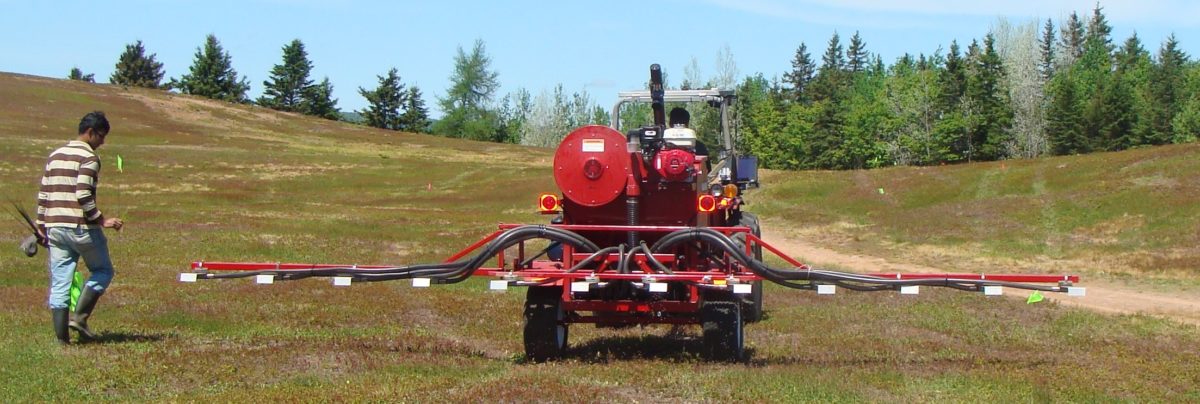
By Arnold Schumann, Qamar Zaman, Hassan Chattha, Scott Read and Aitazaz Farooque The wild blueberry (Vaccinium angustifolium) is a perennial, shrubby, slow-growing plant that is native to northeastern North America. Commercial wild blueberry fields are developed by removing competing vegetation and debris from natural mixed forest, because they cannot be successfully planted. Establishment of a commercially productive field of wild …
Making Headway Toward Machine Harvesting of Blueberries
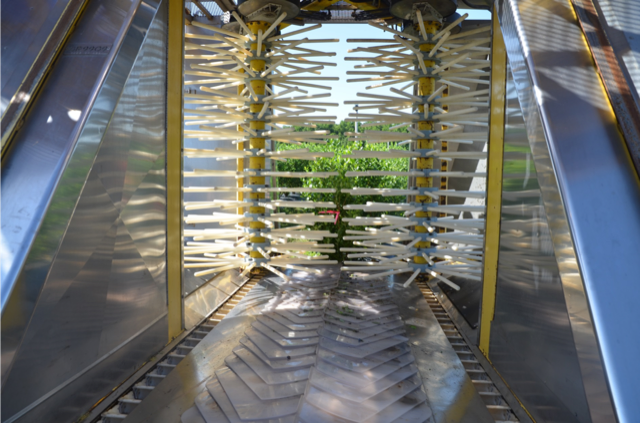
By Doug Phillips With rising costs and declining availability of harvesting labor, blueberry growers are increasingly interested in considering machine harvesting for their crops. Cost is a particularly important factor because of declining profit margins due to competition from lower-cost areas of production. PROS AND CONS Hand harvesting produces high-quality fruit, but can cost between $0.70/pound and $0.90/pound for local …
A New Race of Fusarium Wilt Brings Trouble
Fusarium wilt has been a problem in watermelon for several years. A new race of the disease makes it even more of a struggle to deal with. Nicholas Dufault, assistant professor and Extension specialist in the Plant Pathology Department at the University of Florida (UF), says race three fusarium wilt was recently found in the United States. According to Dufault, …
Two-Spotted Spider Mite Management
By Breanna Kendrick Cory Penca, a speaker at the recent Stone Fruit Field Day, covered lots of pests that are potentially devastating to peach growers. Penca is an entomology Ph.D. candidate and a student in the Doctor of Plant Medicine Program at the University of Florida. The last pest he discussed at the event was the two-spotted spider mite. Mites …
Drones: Decision-Making Tools for Weed Management
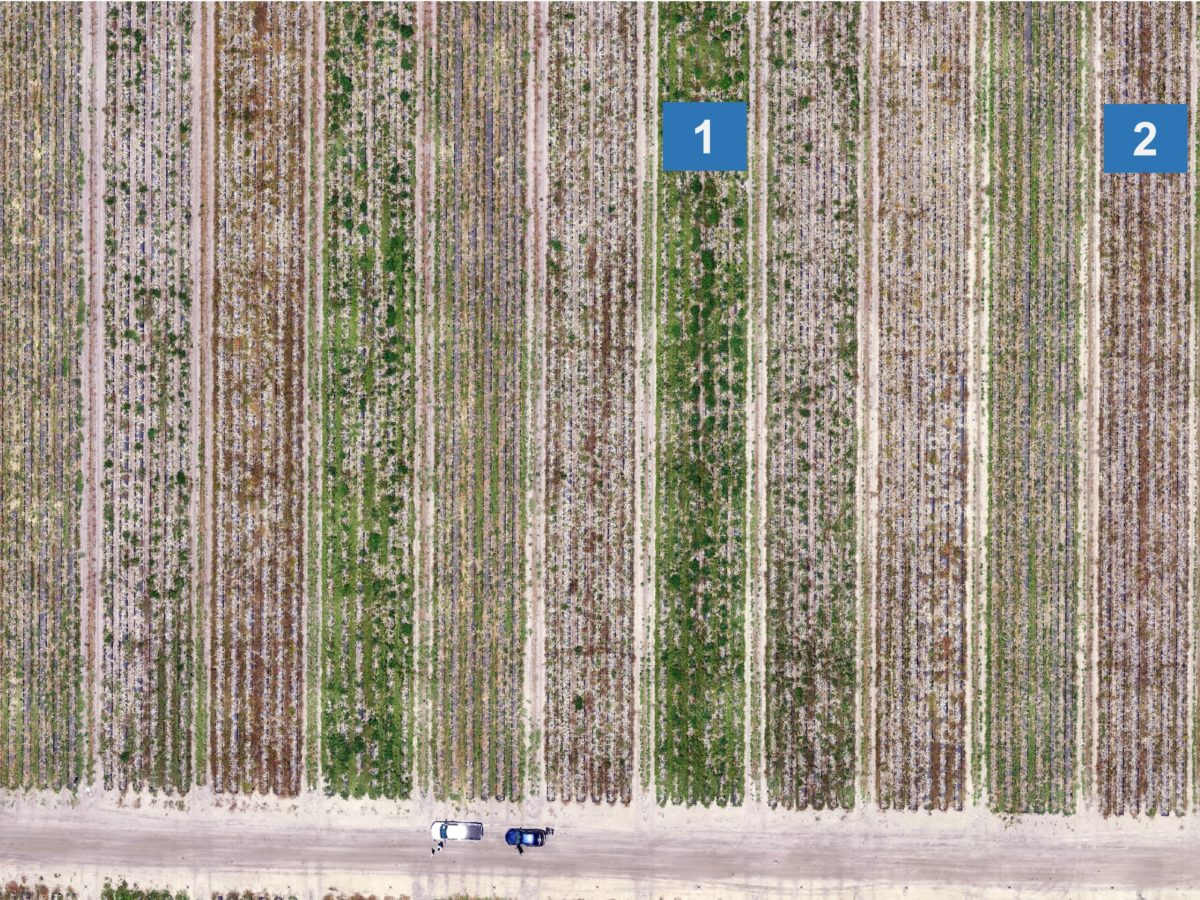
By Ramdas Kanissery, Aditya Singh and Jim Fletcher Effective weed management in the field is one of many operational challenges faced by farmers across vegetable production systems. Spraying herbicide on emerged weeds, often termed as post-emergent sprays or burn-down applications, is essential for row-middle (inter-row) vegetation control in commercial vegetable production. EFFICACY EVALUATION Spray programs are usually conducted early in …
Jack Payne on New SWFREC Director
By Jack Payne, jackpayne@ufl.edu, @JackPayneIFAS Kelly Morgan is a more reliable water source than rain is. You don’t know when or if you’ll get water from the sky, but what Morgan can teach you makes every drop you have go farther. His focus on the farmer as customer is what has made him so successful as the state’s best management …
Using Peach History to Aid the Future
By Breanna Kendrick Without the accumulated knowledge and development of peach rootstocks, the Florida peach industry would not be where it is at today. There are still many challenges facing peach growers, but with the experience of people like Tom Beckman, who has 30 years of peach research under his belt, solutions will be found in the near future. Beckman …
Spider Mite Research Heats Up
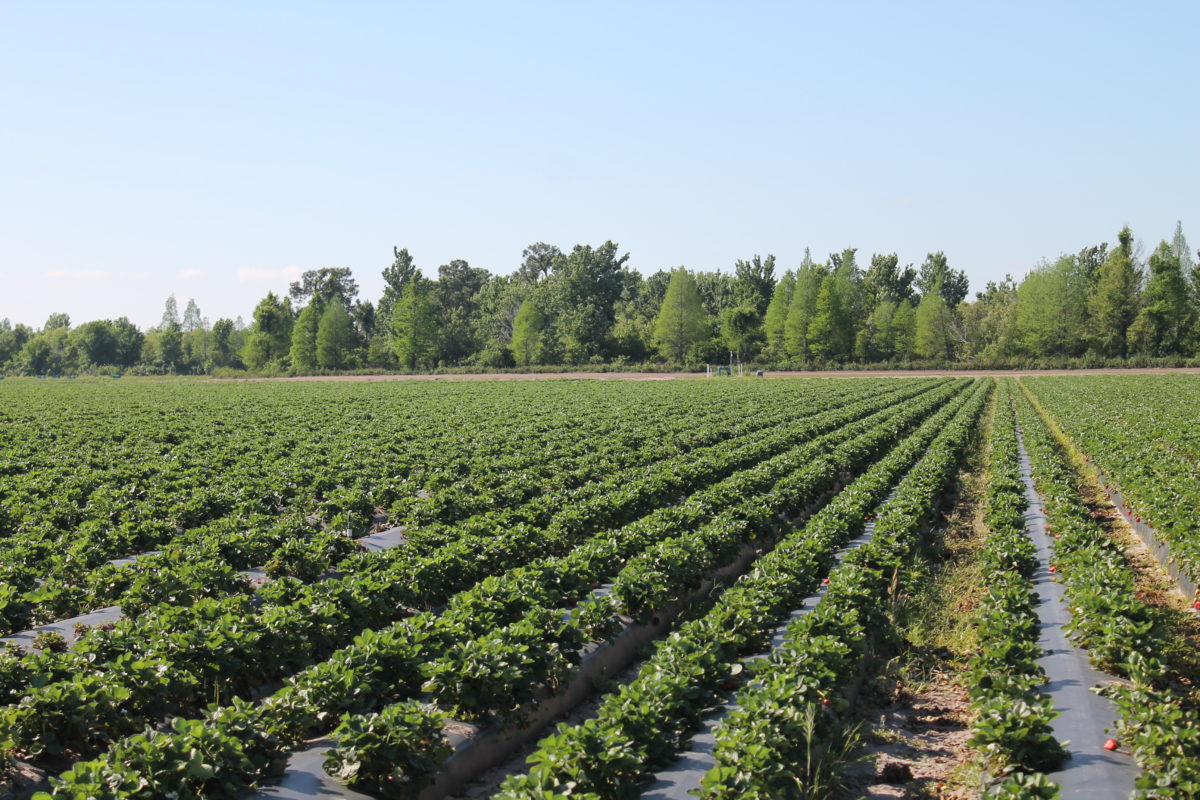
Two-spotted spider mites are a major issue in Florida strawberries. Justin Renkema, former assistant professor at the University of Florida (UF), says mites make their way into Florida fields by blowing in from neighboring fields, but they may also be coming on strawberry transplants from nurseries. After proving that spider mites were coming to Florida on transplants, Renkema wanted to …