









GAINESVILLE, Fla. — When the next frost threatens Florida’s crops, growers will do their best to make sure your favorite foods are protected from the potentially crippling chill, say University of Florida Institute of Food and Agricultural Sciences experts. For example, citrus growers use wind machines and micro-sprinklers to ensure freezing temperatures don’t ruin the fruit, said Chris Oswalt, a …
UF Program Probing Hemp Production
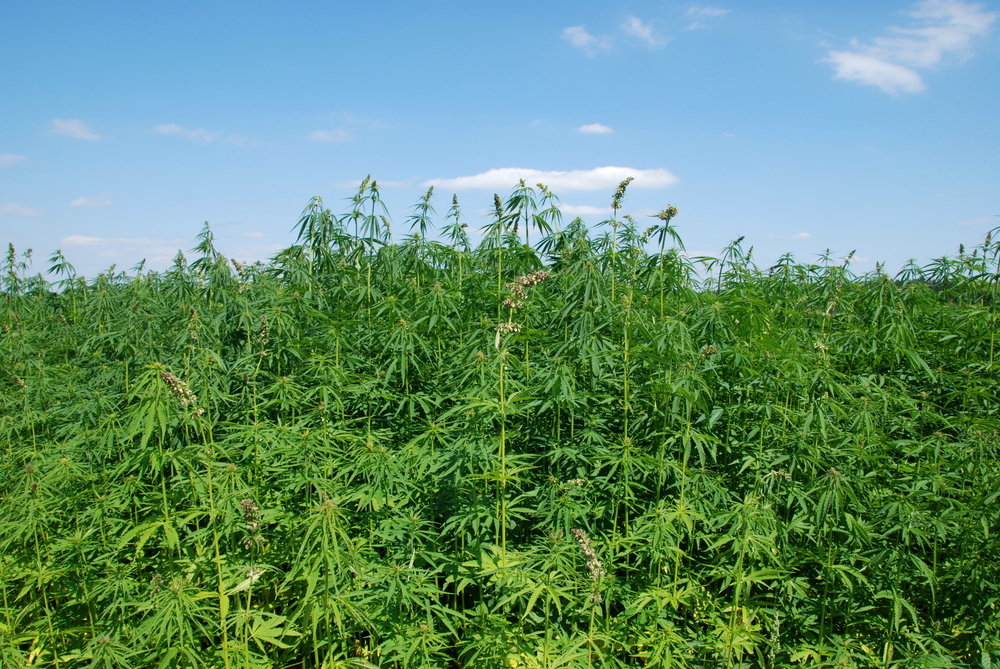
Industrial hemp could be Florida’s next big specialty crop. The University of Florida (UF) Industrial Hemp Pilot Program is tasked with figuring out how to successfully grow the crop in the Sunshine State. During the 2018 Citrus Expo, Zachary Brym outlined the program objectives and how growers can get involved. Brym is an associate professor at the UF Tropical Research …

Two UF/IFAS Researchers Earn Prestigious Honor
Among their many accomplishments, one may be best known for trying to grow plants in space; the other, for helping growers battle bacterial spot disease of tomato. The two University of Florida Institute of Food and Agricultural Sciences (UF/IFAS) professors have been named fellows of the American Association for the Advancement of Science. Robert Ferl, a UF/IFAS professor of horticultural …
FFVA’s Stuart to Trade Commission: Florida Growers Still Suffering
Cheap Mexican imports ‘decimate’ U.S. prices and market share WASHINGTON, D.C. — Farmers in Florida will continue to go out of business if the U.S. government fails to provide critical trade relief to combat cheap Mexican produce imports flooding the market, Florida Fruit & Vegetable Association CEO Mike Stuart told members of the International Trade Commission on Thursday. Stuart’s testimony …
UF Student Helps Design Corn Maze at Local Farm
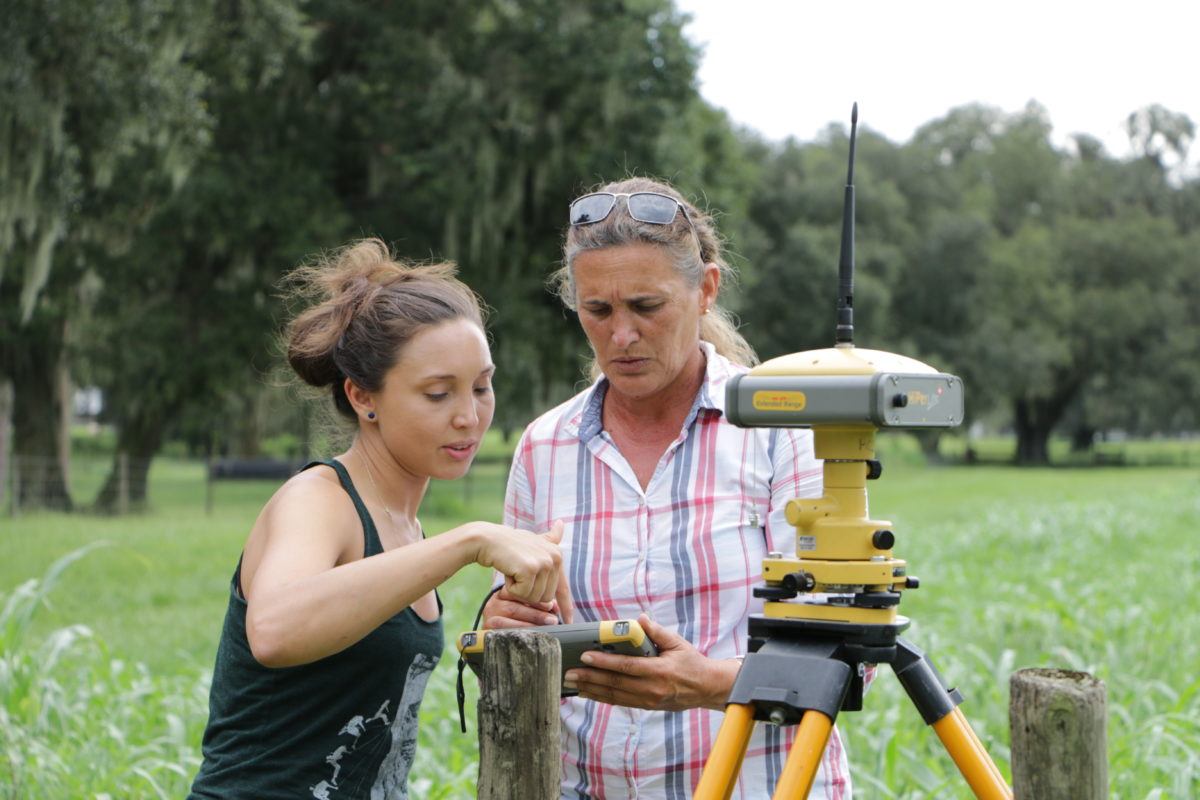
Farmers and ranchers across Florida are fighting lack of consumer education on food systems by opening their properties to the public in a practice called agritourism. Agritourism allows non-farming folks to learn about the day-to-day operations of a working farm and see first-hand where their food comes from. One such farm is the Single R Ranch in Plant City, Florida. …
UF/IFAS Earns Record $166 Million for Research to Help Solve Critical Issues
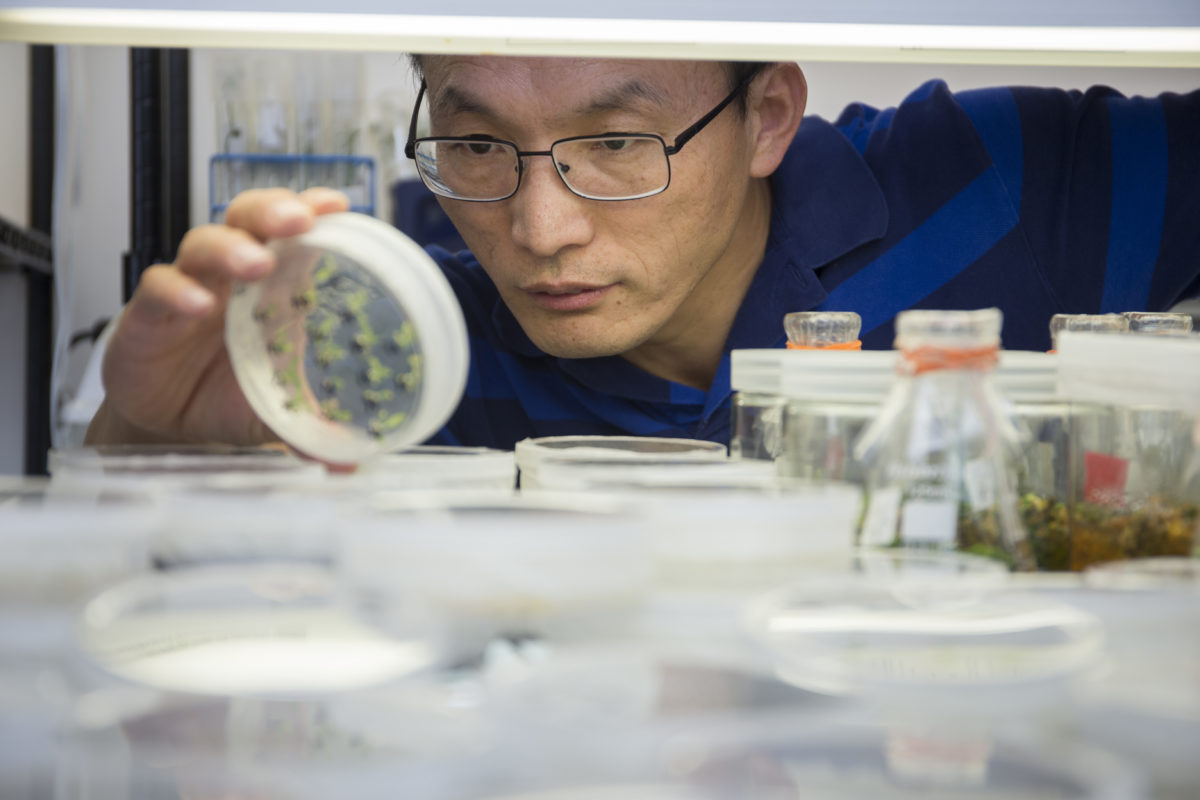
Funding for research projects from federal, state and private sources at the University of Florida Institute of Food and Agricultural Sciences hit a record $166 million in fiscal year 2017-2018. Grant support underwrites programs that include feeding a hungry world, improving nutrition among at-risk populations and ensuring sufficient safe water for a growing global population. As just a few examples …
UF/IFAS-led Study May Lead to More Heat-Tolerant Rice
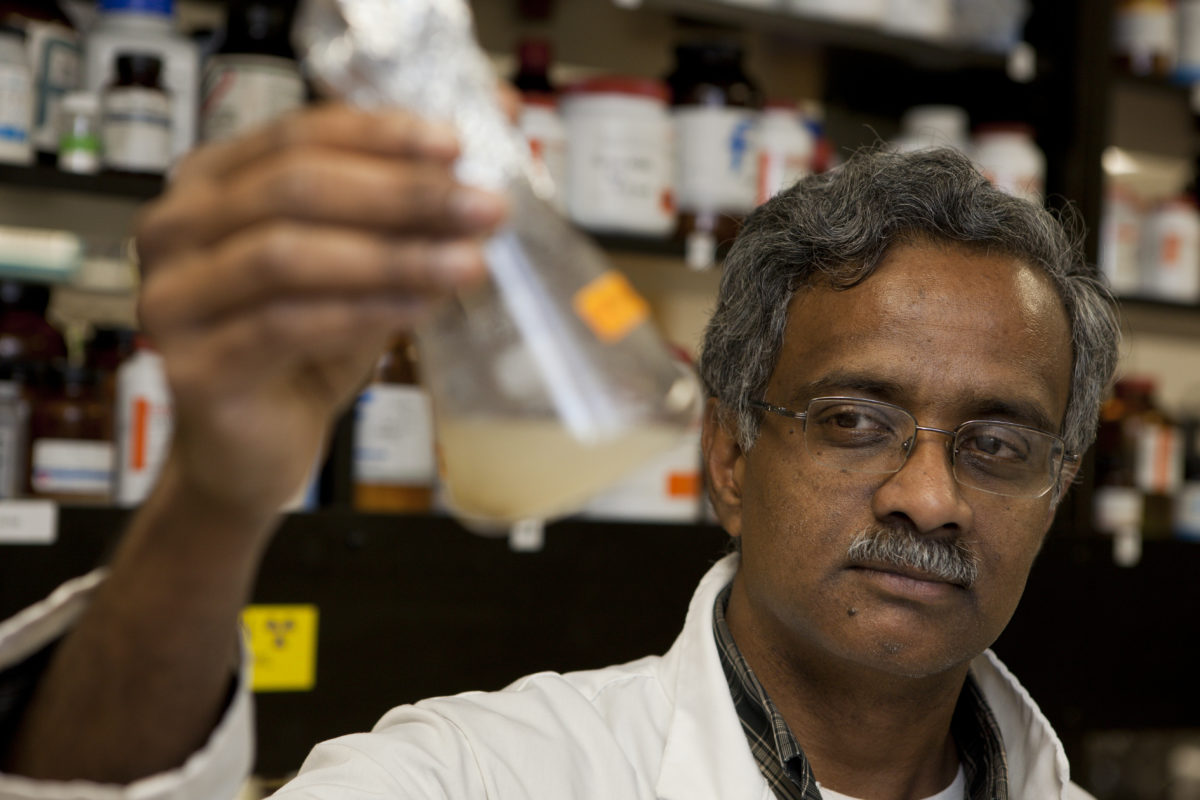
Rice, the most widely consumed food crop in the world, takes a beating in hot weather. To combat the high temperatures, a global group of scientists, led by a University of Florida researcher, has found the genetic basis to breed a more heat-tolerant rice cultivar. “The productivity of rice, one of the three major cereal grains feeding the world, is …
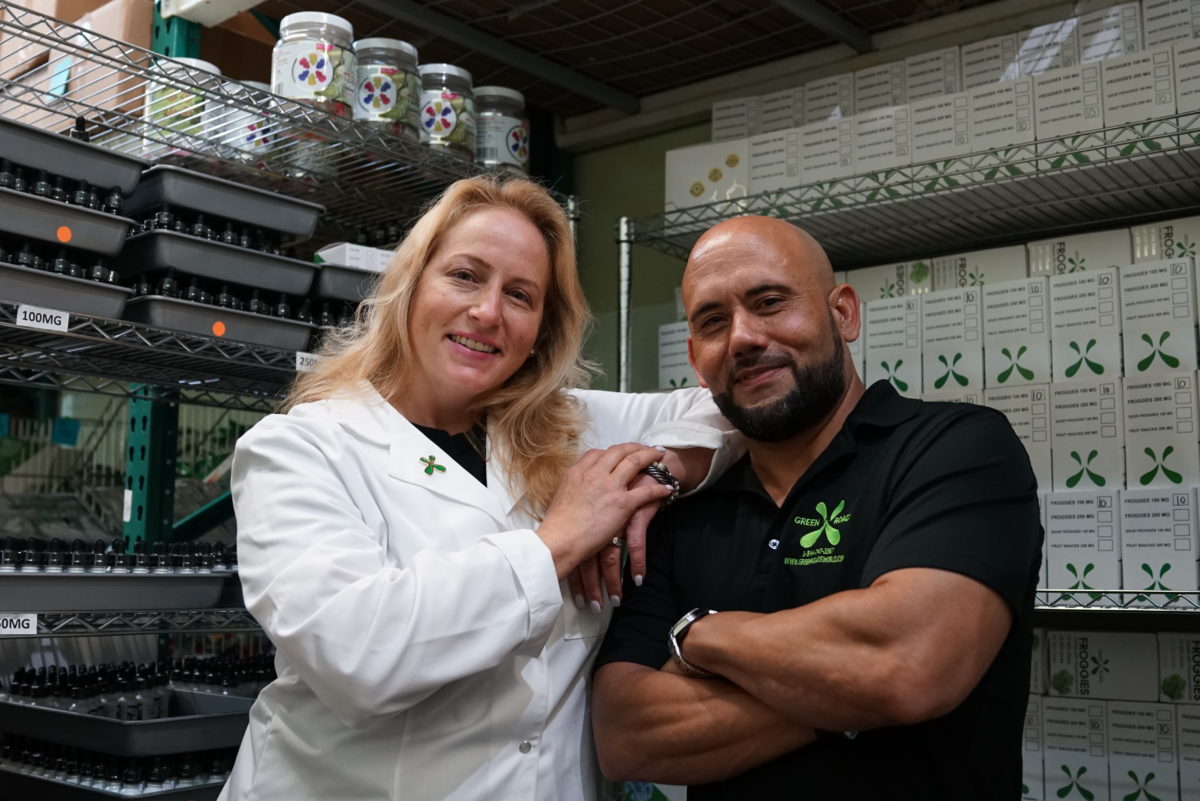
UF Industrial Hemp Program Promotes Industrial Partnerships to Grow
GAINESVILLE, Fla. — The University of Florida’s pilot research program to explore the potential to grow industrial hemp across the state is advancing, with the engagement of an inaugural private partner. The initiative was supported and encouraged by the state but was not appropriated any funding. To move forward, the project needs sponsorships from private industry. Green Roads Inc. has …
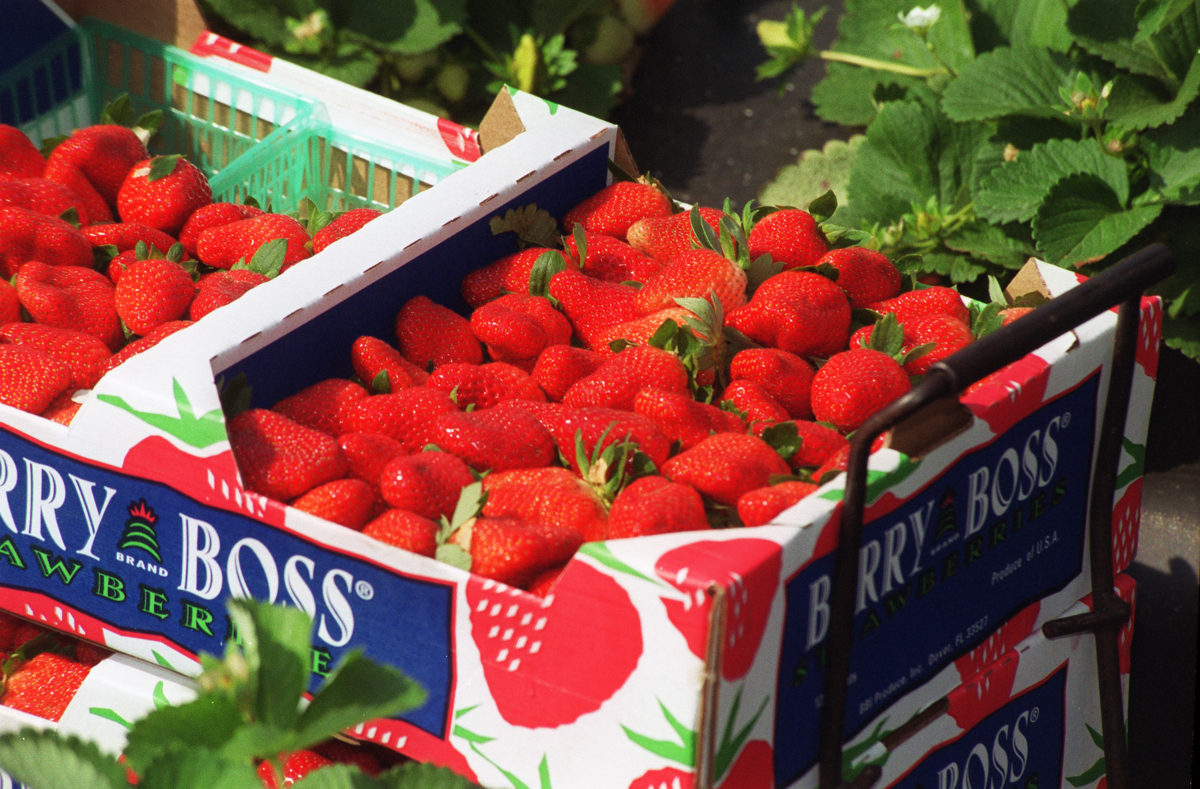
UF Study: Buyers Want Environmentally Safe Strawberry Production
GAINESVILLE, Fla. — As buyers browse strawberry packages at the supermarket, they might see labels such as “organically grown” or “locally grown.” But they’d also like to know if the fruit was produced in a way that preserves the environment, a new University of Florida (UF) study shows. Consumers say they’ll pay more for strawberries grown in a manner that …
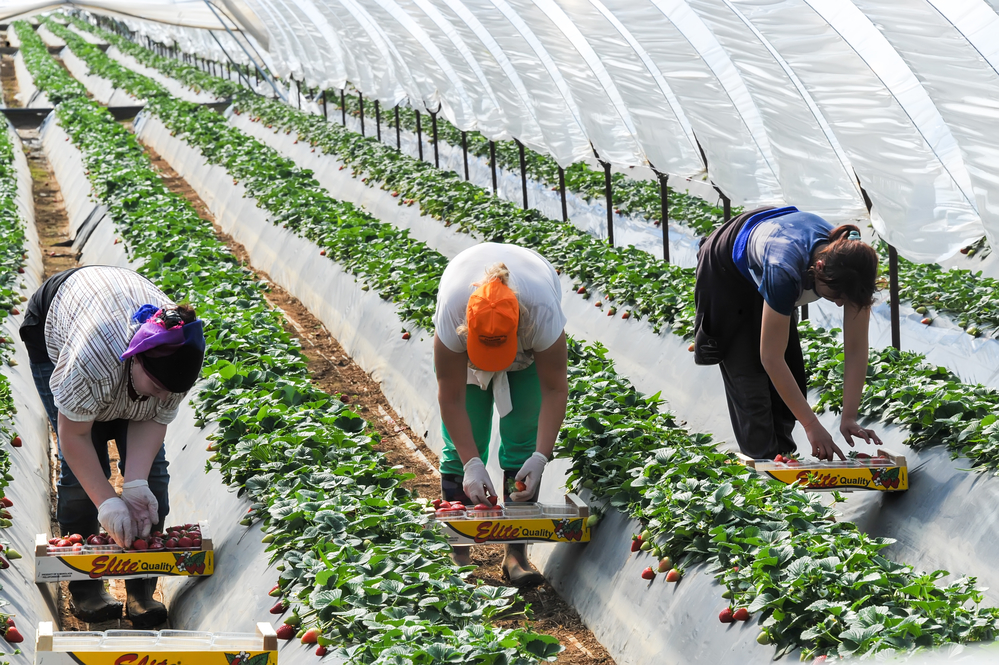
UF Researcher to Study Migration Trends, Health of Emerging Farm Workers
As the University of Florida IFAS Extension director for Hendry County, Gene McAvoy has seen firsthand a sea change in the types of workers now coming to the United States to work on farms. “It used to be 95 percent or more of the workers were from Mexico,” McAvoy said. “Now, it’s about 50 percent from Haiti and the Caribbean. …