









By Alison DeLoach Since flower thrips have been causing concerns for Georgia’s blueberry growers, the pest was a topic discussed at the Southeast Regional Fruit and Vegetable Conference. At the conference, Renee Allen, area blueberry agent with the University of Georgia (UGA), presented research on flower thrips and management recommendations for growers. According to Allen, research was conducted in New …
The Future of the Peach Industry
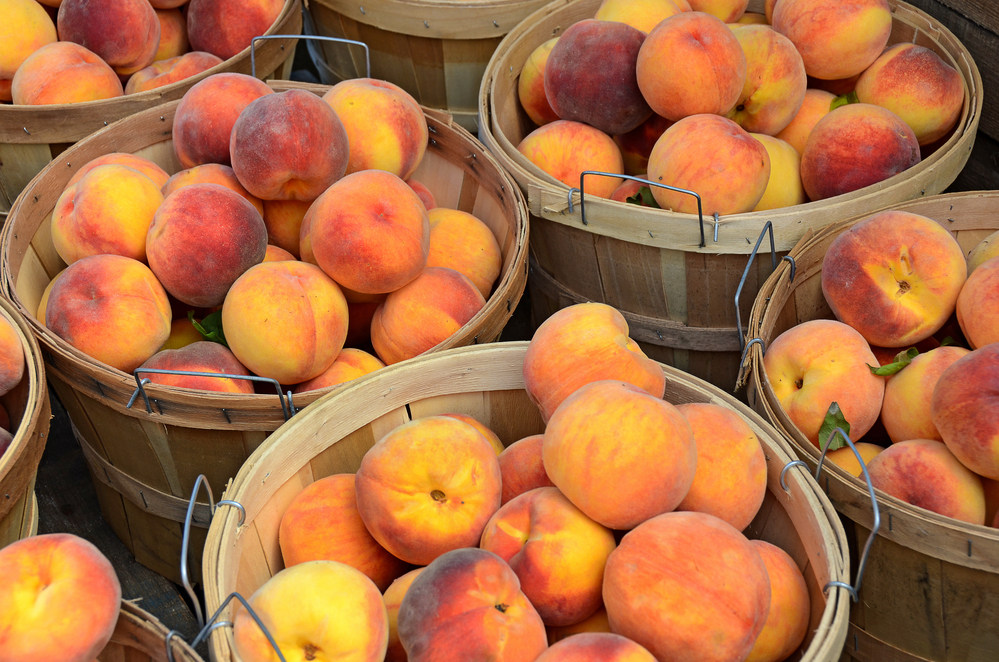
By Alison DeLoach At the recent 2019 Southeast Regional Fruit and Vegetable Conference, Kay Rentzel, executive director of the National Peach Council, presented Nielsen data on peach trends. According to Rentzel, consumers in today’s world want to know what they are buying, and they search for total transparency from companies when purchasing their products. She believes the peach industry is …
Science Could Lead to Longer-Lasting Fruits and Vegetables
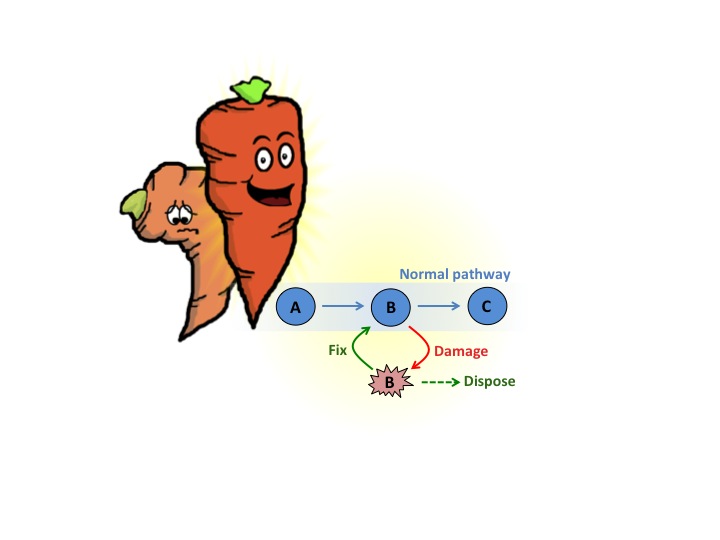
By Jenelle Patterson We’d all like to slow the hands of time and stay young forever, and scientists have been trying for centuries to figure out what causes aging. Research into human aging has now identified some causes, but can this information be applied to horticultural crops? Here, we will explore how these two fields synergize and how combining them …

Sneak Peek: February VSCNews Magazine
Hemp has been a hot topic in the vegetable and specialty crop industry, however there is still much to figure out regarding production practices and opportunities for southeastern growers. The February issue of VSCNews magazine will discuss the hype on hemp. In an article written by AgNet Media’s Abbey Taylor and Ernie Neff, readers will learn about the crop and …
Peach Pruning Improves San Jose Scale Control
By Alison DeLoach Recent research has shown that pruning peach trees can help growers reduce pests in their orchards. One pest in particular, San Jose scale, can cause difficulties for growers, including branch die back, and can ultimately lead to tree death if left untreated. Brett Blaauw, an assistant professor and Extension specialist at the University of Georgia and Clemson …

Natural Gall Midge Management in Blueberries
By Alison DeLoach Gall midge has been wreaking havoc in blueberry crops across the Southeast. However, introducing more insects into your production system could help solve the problem. Renee Allen, area blueberry agent with University of Georgia Extension, recently spoke about the advantages of using beneficial insects that are natural enemies of blueberry gall midge. Blueberry gall midge destroys the …

Biofortified Fruits and Vegetables Bring Benefits
By Jaya Joshi Every morning, more than half the American population takes a multivitamin in the belief that the pharmaceutical industry has boiled down the benefits of bananas, sweet potatoes, broccoli and tomatoes into a pill. According to the National Health and Nutrition Examination Survey program, 10 percent of Americans rely on five or more supplements of some kind for …
Gene Editing: Not Your Grandfather’s GMO
By Kevin Folta The refrigerator is a wonderful invention. It’s the place we find a cold drink on a hot day and the big box where we hide the cheese. Sometimes ice and water come right out of the door. Since its inception, the refrigerator allowed homeowners to store food, save leftovers and suffer less spoilage and waste. Most of …

Desantis Transition Panel Weighs Water Issues
Money set aside annually for the restoration of the Everglades and other waterways should also help end the use of septic tanks, a former House speaker suggested Monday as a panel considered potential environmental policies for Gov.-elect Ron DeSantis. Former Speaker Steve Crisafulli said the incoming governor should tap the “Legacy Florida” funding to aid conversions from septic tanks to …
Developing Tea as a Cash Crop for the Southeast
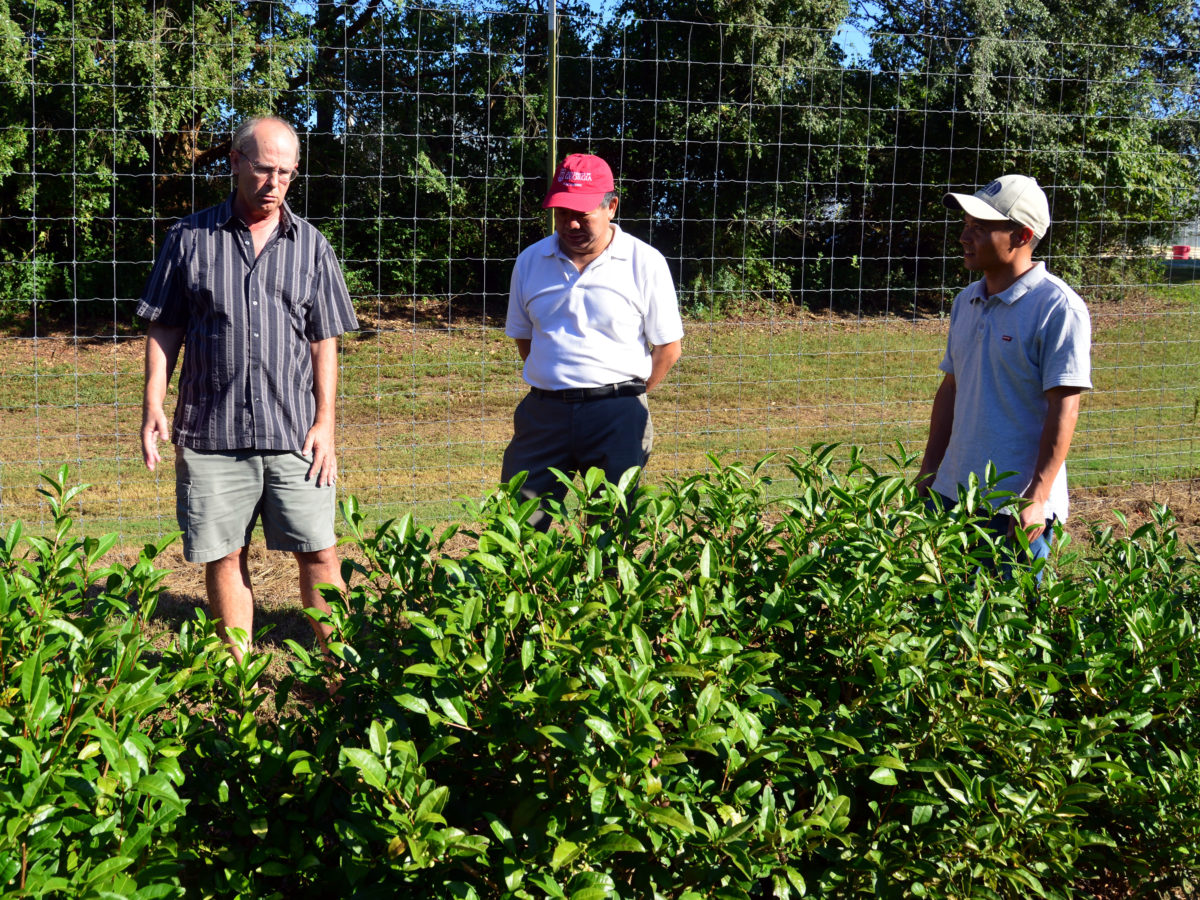
By Donglin Zhang Tea (Camellia sinensis) is a native plant to China with more than 3,000 years of cultivation. Like its cousins, sasanqua and Japanese camellias, tea has been grown in the continental United States for more than 150 years. But due to the costs of processing, cultivation and labor, it has never become a large-scale cash crop. With growing …