









By Clint Thompson
The lack of effective fungicide options targeting choanephora rot makes the disease a growing problem for pepper growers, according to University of Georgia Extension Vegetable Plant Pathologist Bhabesh Dutta.
“We have not found any effective fungicides that can control choanephora. The only fungicides that have shown some promise, I would say that’s Miravis Prime. But if you look at the overall season and the overall efficacy of particular fungicides across the season, nothing panned out,” Dutta said.
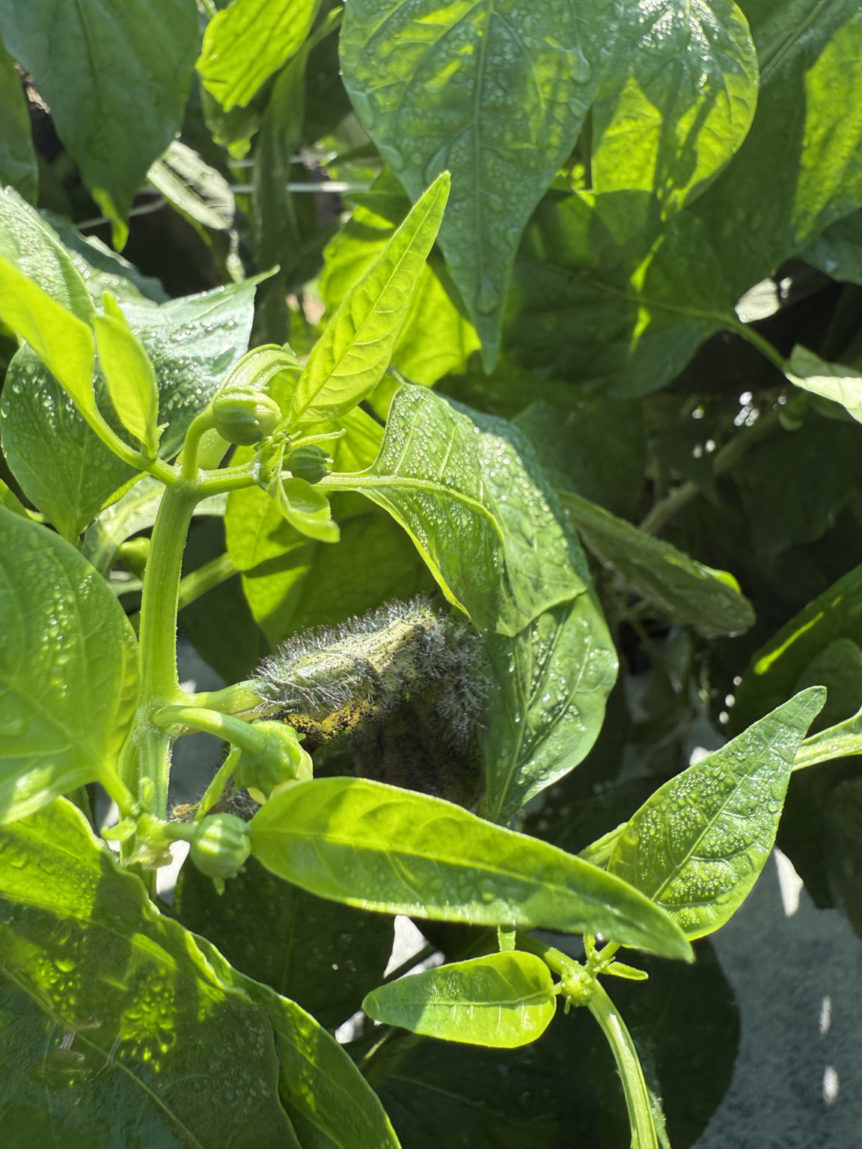
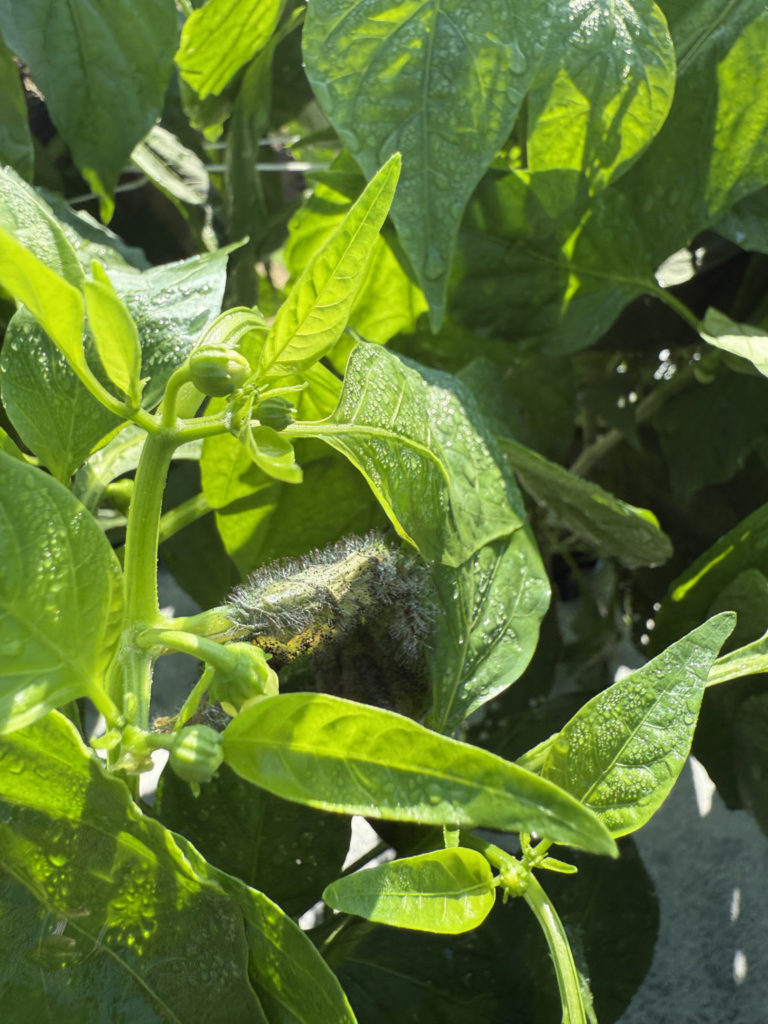
Dutta said the disease is mainly seen in pepper crops but has been observed in squash as well. It causes symptoms, such as a black, fuzzy growth on top of fruit with profuse sporulation, irrespective of the plant’s growth stage. It can cause symptoms and complete death of young seedlings, and it can infect mature plants and fruits. Absent an effective fungicide option, growers are left with cultural practices.
“It leaves the growers with certain cultural practices; sanitation of the fields; sanitation of the stakes. For example, if they’re done with the crop, just get rid of all the crop debris. Either remove them or turn them under,” Dutta said. “All the stakes they use for peppers and tomatoes, the good growers usually sanitize them. They go through different sanitation processes. Keep doing it.”
Growers can also hope for better weather conditions that are not conducive to disease development.
“This particular pathogen is highly weather dependent. Whenever we see hot and humid weather, we see this pathogen. When it’s pretty hot with a lot of humidity and rainfall, we see this pathogen. When it’s hot and dry, somehow it stops,” Dutta said. “It’s highly weather dependent.”
It rain a considerable amount during the summer in 2025.