










By Clint Thompson
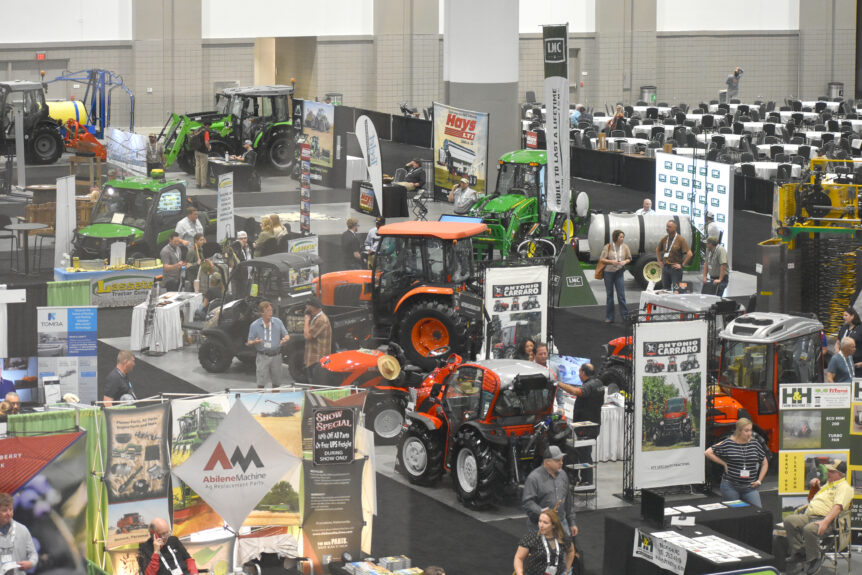
The Southeast Regional Fruit and Vegetable Conference was bigger and better this year. Approximately 3,500 attendees and exhibitors flocked to Savannah, Georgia, this past weekend to learn about the latest trends and production practices impacting the different commodities being produced across the region.
Chris Butts, executive director of the Georgia Fruit and Vegetable Growers Association (GFVGA), talked about this year’s show that was featured in a newly expanded Savannah Convention Center.
“When the Savannah Convention Center completed their expansion last year, we came and did a tour, and it’s a big, beautiful facility. My first thought was, ‘How in the world are we going to fill it and make it look like we’re not lost in a little corner of the space?’” Butts recalled. “We got creative and tried to find some ways to bring the show out; out of the show floor; out into the hallways and mix that in with the classroom setting and take it right out to the front door. We want to hit you with it as soon as you walk in the front door and immerse you in the fruit and vegetable industry on that long walk around to registration.”
Pertinent Issues Discussed
Labor issues, fentanyl crisis, the USMCA, along with the different pests and diseases that impact the region’s fruits and vegetables every year, highlighted the three-day event, from Thursday to Saturday. The conference served as a springboard into the new year for specialty crop growers.
“It’s almost a reset that we get to do each January. It does coincide with the new year, and it also coincides with the fact that our guys are getting ready to start planting their spring crops and getting into the heart of their season and the industry,” Butts said.
“For our guys, it’s a last-minute chance to come and not only learn from trusted experts from land-grant universities and other universities from around the Southeast and around the country, but it’s also a chance to learn and network with your colleagues and your peers and find out what’s going on at their farm right down the street; what’s working for your friend and what’s not working.”