









By Frank Giles
When President Trump appointed Robert Kennedy Jr. to lead the U.S. Department of Health and Human Services (HHS), it was a clear signal that it would not be business as usual at the agency charged with “improving the health, safety and well-being of America.”
With a budget of about $2 trillion, HHS has significant sway in American politics and government. Some agricultural interests raised eyebrows with Kennedy’s appointment due to his prominence in some communities on the fringes of the food movement, which often is critical of modern farming. But his call to Make America Healthy Again (MAHA) turned the national conversation toward food and healthy lifestyles.
Prioritizing Produce
Regardless of the public’s perception of Kennedy, it is undeniable HHS has been a whirlwind of activity since his arrival. Many of its actions have fallen under the MAHA slogan. The slogan, Kennedy’s name recognition and busy pace have made the HHS secretary position the most prominent in recent history.
All this raises the question: Is MAHA good for U.S. specialty crop growers? That remains to be seen, but Cathy Burns, chief executive officer for the International Fresh Produce Association (IFPA), believes the movement has elevated the conversation about food and health.
“Although we are still in the early stages of assessing the long-term impact to our industry, the MAHA movement has undeniably elevated national attention on health, nutrition and the role of food in disease prevention and has brought more lawmakers to the table in talking about issues for which the produce industry has long advocated,” Burns said. “This focus is squarely aligned with IFPA and the Foundation for Fresh Produce’s public health priorities. While MAHA’s efforts sometimes center on removing dyes, additives or other ingredients, we will continue to emphasize the benefits of adding more whole, healthy foods like fruits and vegetables to the diet.”
IFPA
IFPA provided the MAHA Commission eight priority positions prior to the release of the first MAHA report. The list was expanded to 10 prior to the release of the second report.
“The second MAHA report reflected movement on nearly all of our priorities, particularly those related to production tools, research and innovation and greater transparency in food labeling,” Burns said. “We saw full funding for the U.S. Department of Agriculture’s (USDA) Women, Infants and Children program and its fruit and vegetable benefit in the spending package that reopened the government, and we continue to see momentum across the country on produce prescription interventions. These inclusions signal meaningful alignment with the practical, science-based solutions IFPA has championed from the outset.”
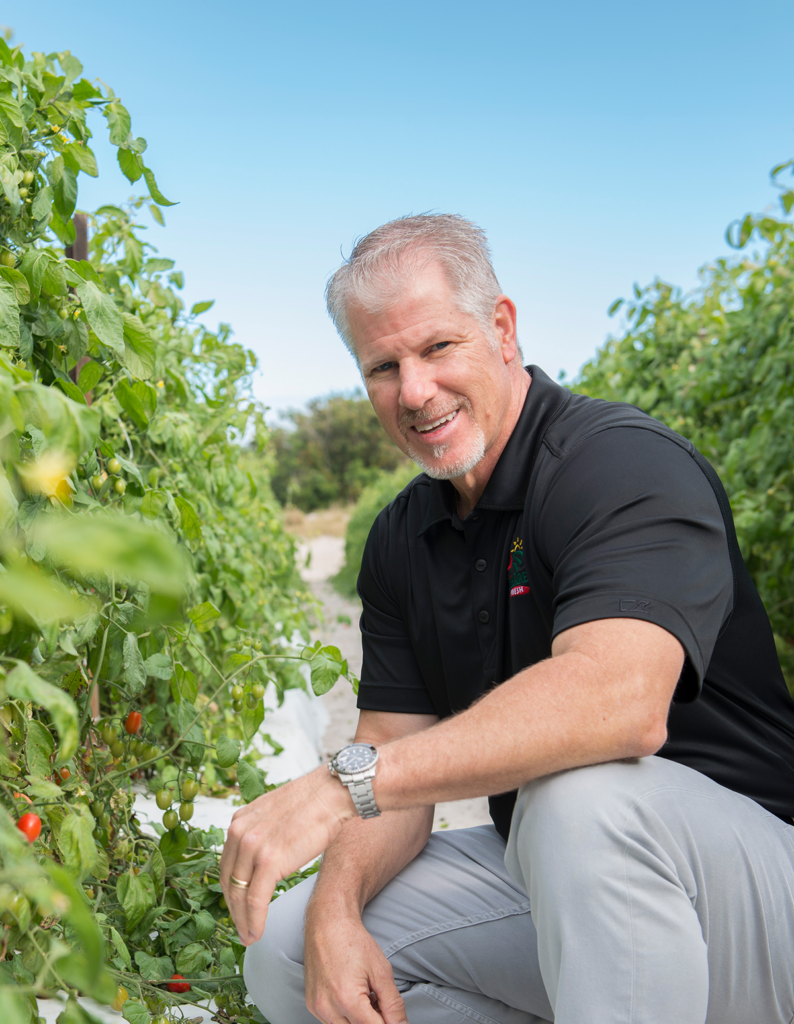
Tony DiMare, president of DiMare Fresh, agrees the conversation around MAHA is an opportunity to remind consumers about healthy fruits and vegetables grown in America. DiMare Fresh is a Florida-based tomato growing and distribution company.
“I think the concept is a great idea,” DiMare said. “At times, we don’t eat healthily enough, and there are too many processed foods in our diets. Any shift we can make toward more healthy habits, including eating more fruits and vegetables, would be very positive. Now does that translate into consumers eating more fruits and vegetables? I don’t know. Just because we shift standards, that doesn’t mean people will shift their behavior.”
Flipping the Pyramid
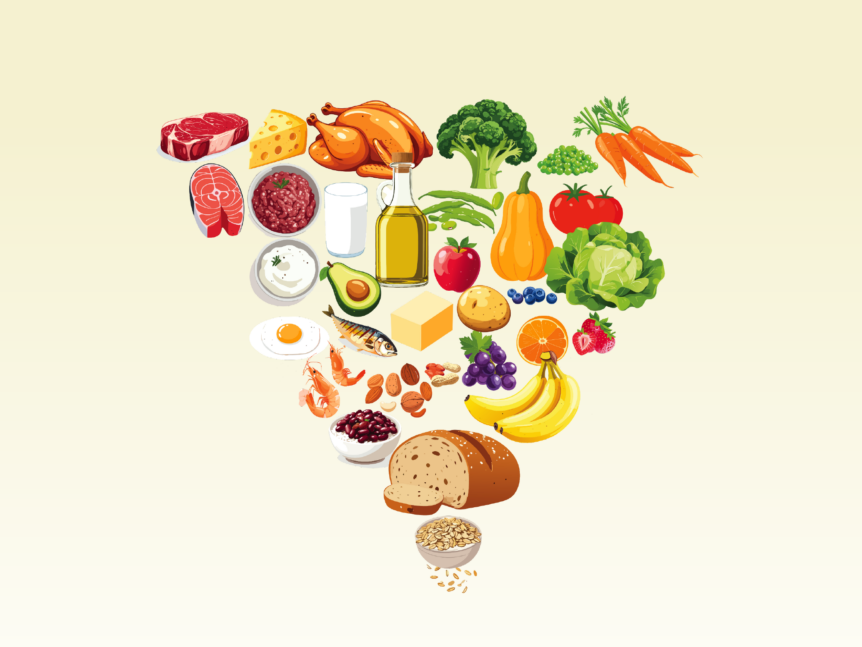
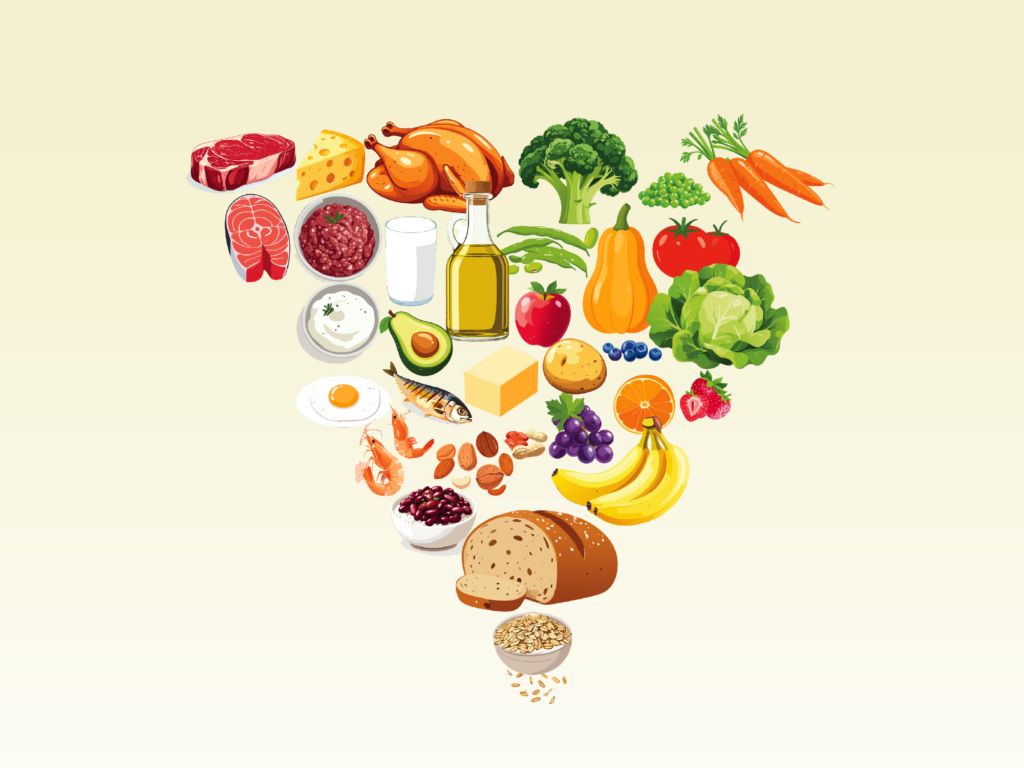
The Food Pyramid is an iconic symbol of guidance on what and how much to eat. While the pyramid was replaced with MyPlate in 2005, a new inverted pyramid was introduced by USDA and HHS in January 2026.
The new inverted pyramid shows wide at the top (what you should eat more of) with proteins, full-fat dairy, vegetables, fruits and healthy fats. The tip of the pyramid at the bottom is populated with whole grains and should make up less of the diet. The pyramid was part of larger guidance titled Dietary Guide lines for Americans 2025-2030.
Those guidelines clearly show the influence of MAHA that could be summed up in a simple statement: Eat real food.
“These guidelines return us to the basics,” Kennedy said when the announcement was made. “American households must prioritize whole, nutrient-dense foods — protein, dairy, vegetables, fruits, healthy fats and whole grains — and dramatically reduce highly processed foods. This is how we make America healthy again.”
Statistically Speaking
The agencies also delivered some alarming statistics with the dietary guidelines. Nearly 90% of health care spending goes toward treating chronic disease, much of it linked to diet and life style. More than 70% of American adults are overweight or obese, and nearly one in three adolescents has prediabetes.
“At long last, we are realigning our food system to support American farmers, ranchers and companies that grow and produce real food,” said Secretary of Agriculture Brooke Rollins. “Farmers and ranchers are at the fore front of the solution.”
These guidelines will begin to influence school lunch menus, but those actions will take time to implement through rulemaking and funding. However, many states are implementing their own farm-to-school programs to bring more locally grown fresh produce to the youth.
USDA also reported spending nearly $1 billion on fresh fruits, vegetables and seafood in 2025 from American farmers under its Section 32 program. Section 32 provides financial support to domestic growers of commodities not generally covered by support programs. Specialty crop groups like IFPA have advocated for Section 32 support.
At the start of 2026, 18 states had USDA approval for waivers to restrict or ban the purchase of junk food, sugary drinks, candy and similar unhealthy items using benefits from the Supplemental Nutrition Assistance Program.
Great Opportunity for Fruits and Vegetables
While views on MAHA are often skewed by the current politically polarized atmosphere, the conversation around health and diet provides a great opportunity for fruit and vegetable growers.
“The specialty crop industry needs to get out in front of this and promote it, because this is an opportunity we should not let go by,” DiMare said. “Because this is a special situation, we can’t assume it is going to happen on its own. We need to be putting the tools and bandwidth behind the message that fruits and vegetables play a critical role in a healthy life.
Video Component
Click here to watch a video concerning MAHA.