









By Clint Thompson
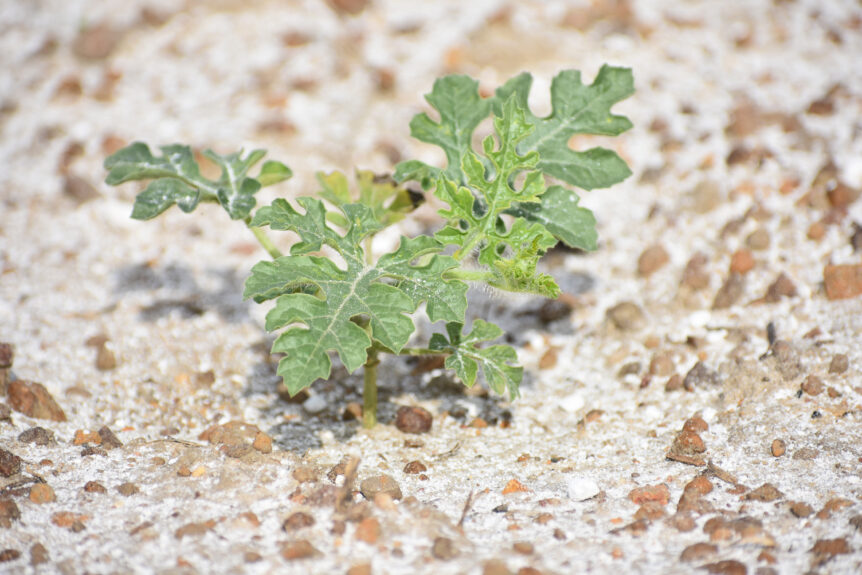
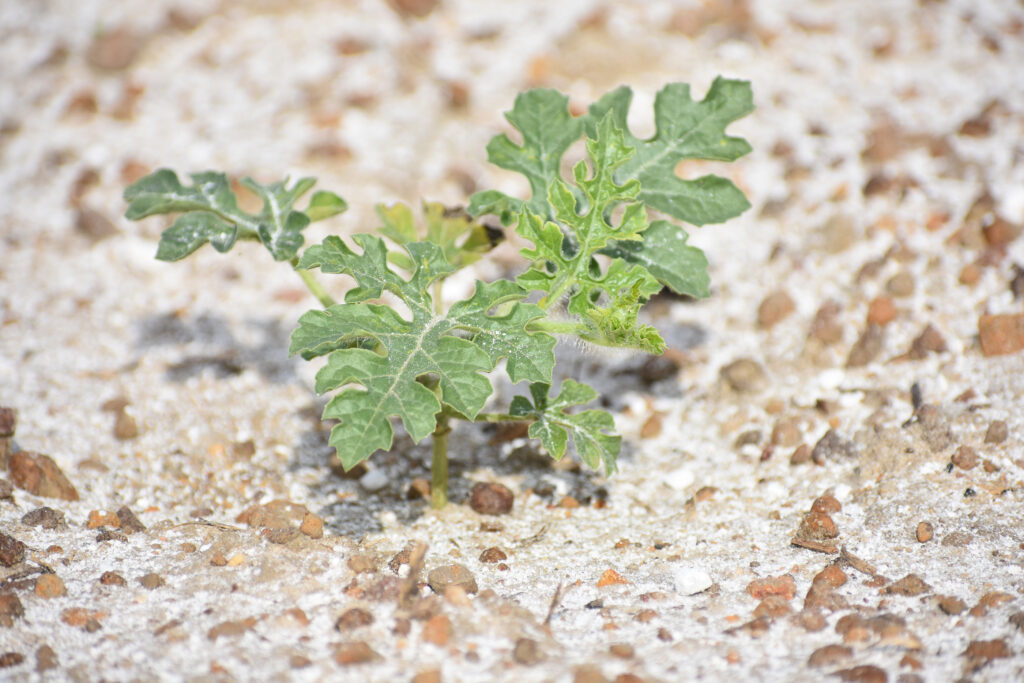
An increase in temperatures throughout Georgia makes for challenging working conditions for farmers having to maintain crops this time of year. They are, however, favorable growing conditions for watermelon plants in the region.
Watermelons prefer to grow under hot and dry conditions, says Tim Coolong, professor and Extension specialist in the University of Georgia College of Agricultural and Environmental Sciences.

“(Monday) for example, it’s been about 8 or 10 degrees warmer than normal, and as you know, watermelons love the heat. While I may not be enjoying the heat, those plants are,” Coolong said. “They’re going to grow a little bit quicker if these temperatures are maintained.
“(The dry conditions) really does help with disease pressure. Obviously, they will have a cost in irrigating, but most of the time, as for most vegetables, I think growers would rather not worry about the rain.”
How Hot Is It?
According to weather.com, temperatures in Tifton, Georgia, were expected to reach 91 degrees on Friday, April 17, and 92 degrees on Saturday, April 18. Minimal rain chances are expected over the next couple of weeks, as well.
“(The plants) should really take off as long as the growers have plenty fertility, and of course, water for the plants. They will jump,” Coolong said. “Think about so many other years where we’ve had these really cold, wet Aprils that slow plants down. We did get cold about a week and a half ago where we were cold at night. That may have slowed things down early on, but at this point, they should really grow quite well.”
Drier conditions also allow the plants to produce fruit that have higher brix content, or a sweeter melon.
“In late May and June when we get close to harvest, when we have really, really wet years, not only do you have disease problems, but it lowers the sugars in those fruit. A little bit warmer and drier when they’re fruiting and sizing up is not a bad thing,” Coolong said.