









By Clint Thompson
Georgia’s vegetable growers are in need of non-traditional crops to supplement their normal farming operations. Ginger and turmeric are two specialty crops that could help producers remain sustainable.
University of Georgia Extension Vegetable Plant Pathologist Bhabesh Dutta said consumers are more aware of where their food comes from, desiring fresh, locally grown ingredients. Ginger and turmeric fit into that space, though university research is required to help farmers produce the crop.
“These crops represent a unique opportunity for growers to move into high-value, niche markets while meeting consumer demand for locally sourced, health-focused products,” Dutta said. “But for this transition to be successful, we need region-specific research that addresses both production challenges and market development.”
Ginger is milder, easier to use and appeals to chefs and home cooks, while turmeric can also be used through powders, teas and other processed forms. It is also high in important medicinal compounds.
Production Issues
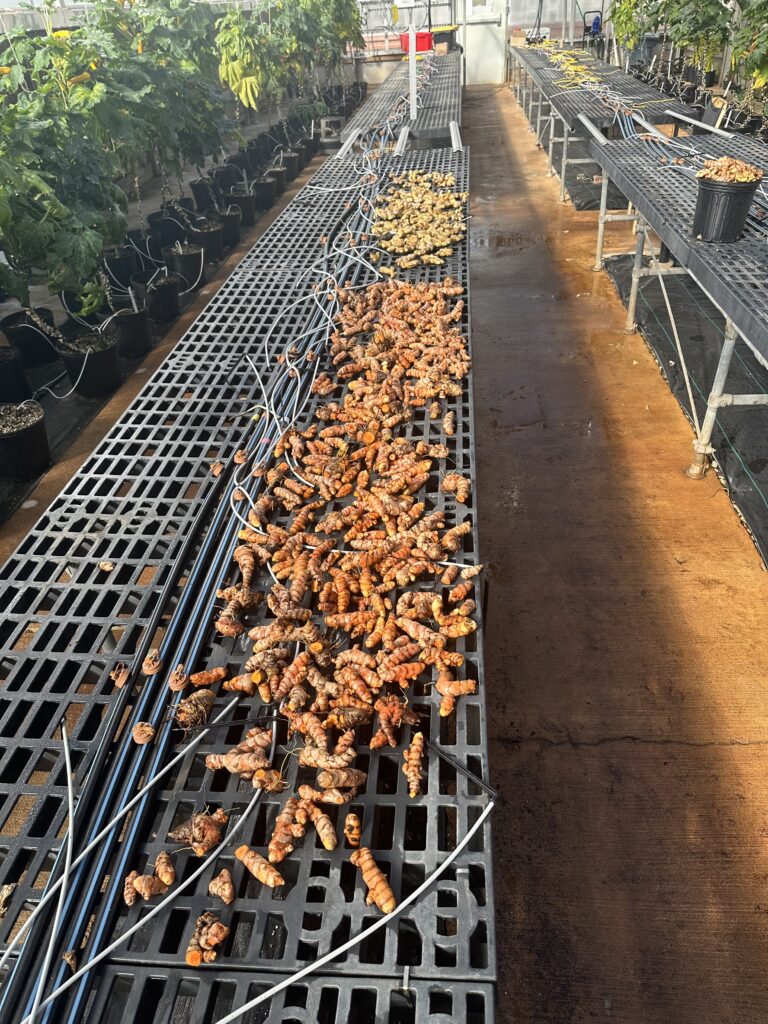
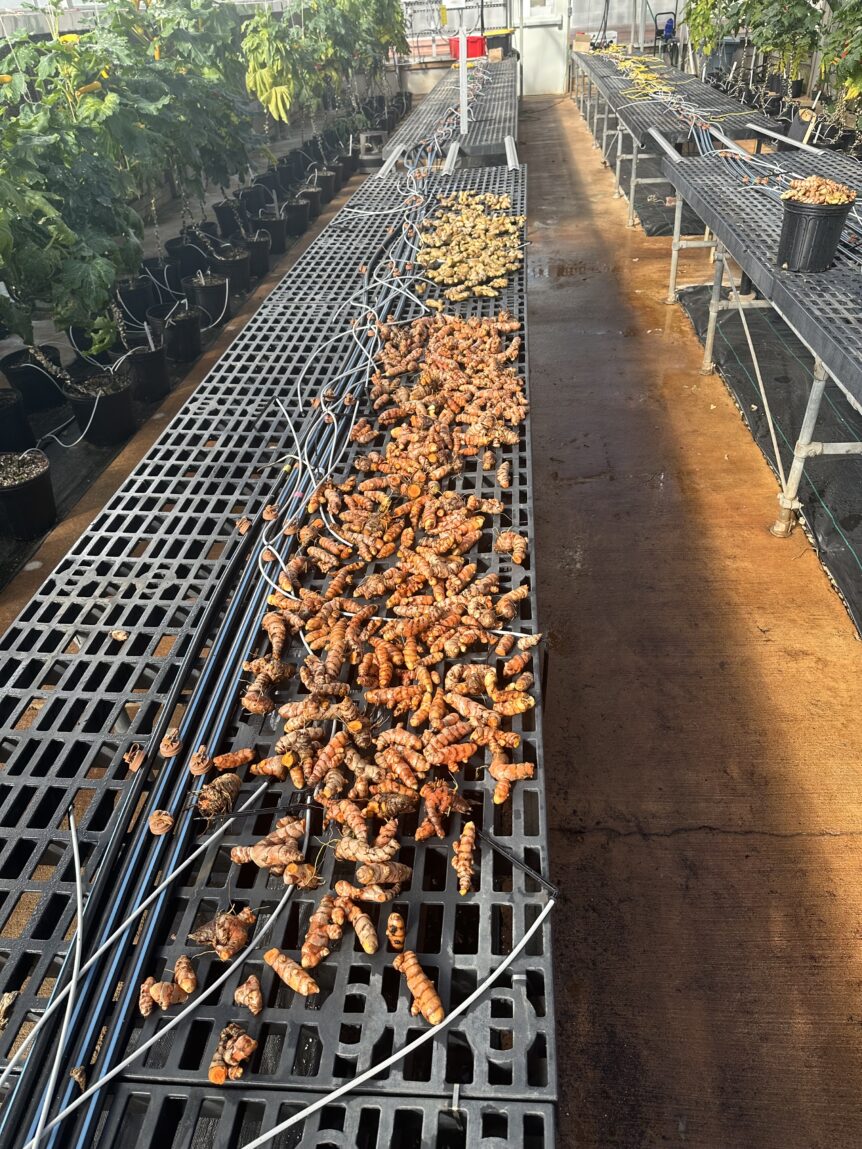
In most regions of the eastern United States, the growing season is not long enough for rhizomes to reach full maturity for use as “seed” rhizomes for planting the next year. Growers rely on seed rhizomes produced in Hawaii at a limited number of plant nurseries. Controlled Environment Agriculture (CEA) systems (CEA), such as greenhouses and indoor vertical farms, could help produce high quality rhizomes for ginger and turmeric growers.
“This could be a great opportunity for CEA operations to diversify their production by producing propagative materials such as seed rhizomes,” said Andrew Ogden, UGA assistant professor in Horticulture.”
University research will focus on advanced disease screening techniques and tissue culture methods to enable production of high-quality, disease-free rhizomes for US growers.
Dutta said current growers of both crops have encountered soilborne diseases like Pythium root rot and Fusarium yellows. They can cause serious losses, especially during establishment. At the same time, obtaining consistent, high-quality planting material, often called seed rhizomes, is also a challenge. Many growers depend on outside sources, which can vary quite a bit in quality and disease risk.
Key Questions
Production knowledge is still in development with key questions remaining:
- When is the best time to plant and harvest in Georgia’s climate?
- How should irrigation and fertility be managed?
- Do these crops perform better in open field systems or under high tunnels?
“Growers are not just asking how to grow these crops, but they’re also asking how to store them, process them, and sell them profitably,” Dutta said. “That’s where coordinated research and extension efforts become critical.”