









By Clint Thompson
The federal court’s decision to deny a challenge to the Department of Labor’s (DOL) interim final rule (IFR) on how the Adverse Effect Wage Rate (AEWR) is calculated was a win for agricultural employers who utilize the H-2A program.
But growers want more to be done to ensure the program remains sustainable long-term. South Georgia vegetable farmer Sam Watson emphasized that importance in an interview with AgNet Media.
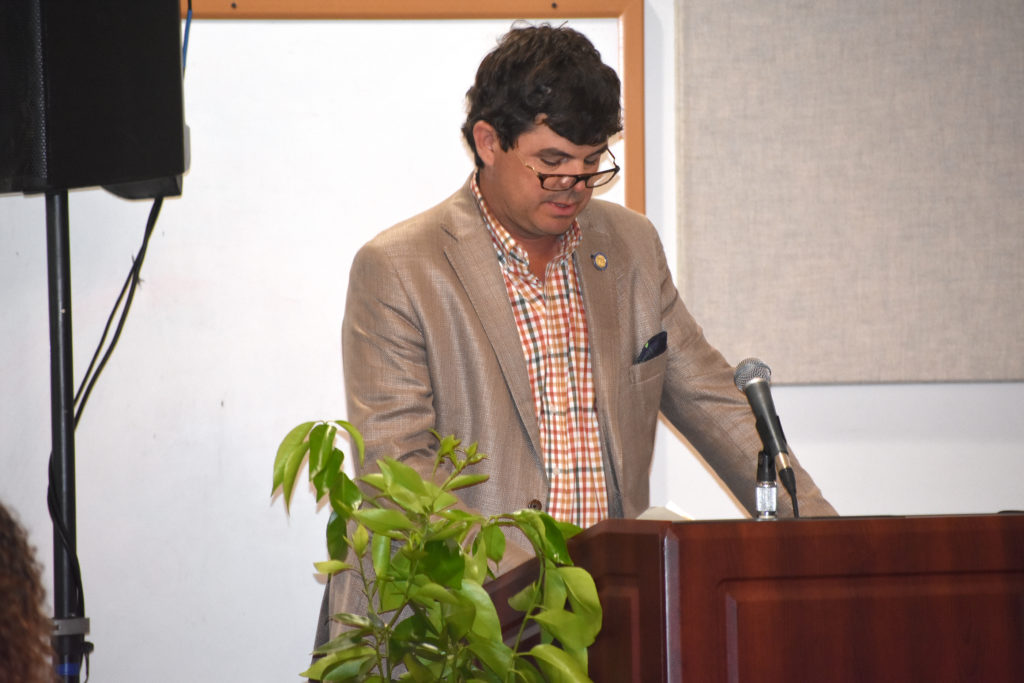
“Well, we’ve been waiting for a bill to be dropped to codify the president’s executive order on it so that, you know, then they can’t really challenge it anymore,” Watson said. “I mean, right now it was an executive order change. And, you know, we’ve been asking Congress to codify the president’s executive order just to put it into the law, and then that way it’s a done deal.”
Interim Final Rule
The United Farm Workers filed a suit that challenged the rule. The rule states that DOL will base AEWR on state-level wage data from the Bureau of Labor Statistics’ Occupational Employment and Wage Statistics survey rather than the U.S. Department of Labor Farm Labor Survey, which was previously used.
The interim final rule was implemented last October and should help stabilize the growing wage expenses that have challenged producer sustainability.
“I don’t know how many of us would still be farming if that hadn’t happened, honestly. I mean, the wage rate was at a level that was not sustainable,” Watson said, “especially when we had as cheap of markets as we had last year. Everybody’s still digging out of the hole from last year, you know?
“But obviously I would be a whole lot happier if we had somebody to drop a bill or could get a bill moving. I mean, we’ve been asking, they’ve been saying they would, but we haven’t seen one yet.”