









Photo by Tyler Jones
By Frank Giles and Clint Thompson
Farmers have planted cover crops for many years because of the agronomic benefits they provide. Due to how cropping systems are set up, adoption in specialty crops has been somewhat slower. However, cover crops are gaining interest as more growers adopt the practice.
The latest National Cover Crop Survey from the Conservation Technology Information Center, Sustainable Agriculture Research and Education program and the American Seed Trade Association included a section on horticultural crops. The survey was conducted in 2022–23.
Overall, horticultural crop producers participating in the survey found cover crops to be neutral or positive to their bottom line. They were asked: How have cover crops impacted the profitability of your horticultural operation (factoring in productivity, yield of your crops, overall labor costs for weed control, other pest control/labor costs, fertility costs, cover crop seed costs and termination)? The largest number of responses (62 of the 198 respondents, or 31%) said they saw no significant change in net profit, which was defined as plus-or-minus 1% change. The second largest group of respondents (55, or 28%) chose “moderate increase,” which was defined as 5% or more increase in net profit. Another 37 (19%) indicated that they had seen a minor (2% to 4%) increase in net profit.
Regional Gains
The adoption of the practice in specialty crops can be very specific by location and crop. For example, Florida strawberry growers in the Plant City area are planting more cover crops after seeing benefits from neighboring farms.
Johan Desaeger, assistant professor of entomology and nematology at the University of Florida Institute of Food and Agricultural Sciences Gulf Coast Research and Education Center, spoke about those benefits at the recent Florida Citrus Show in Fort Pierce.
Desaeger said the “most practical way” to reduce root-knot nematode is to grow non-host cover crops. Cover crops improve the soil quality and health in preparation for the upcoming growing season, while reducing nematode reproduction.
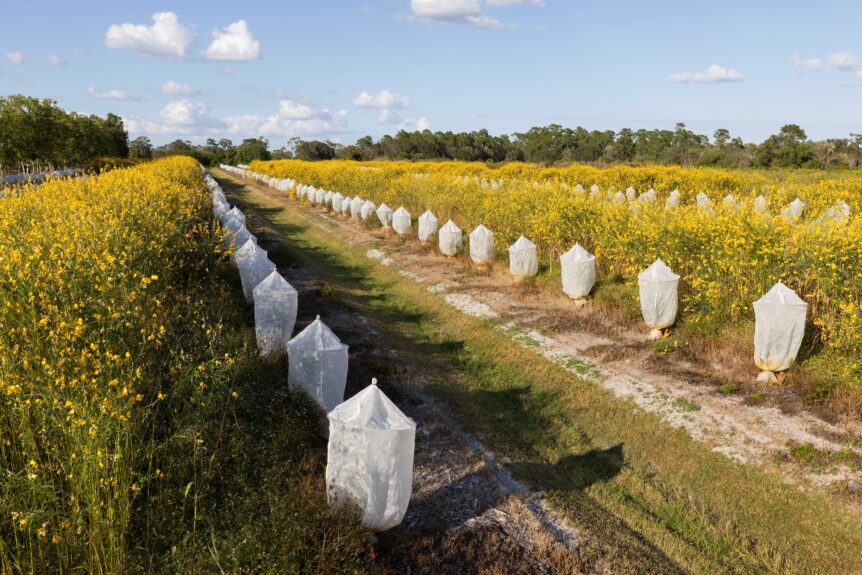
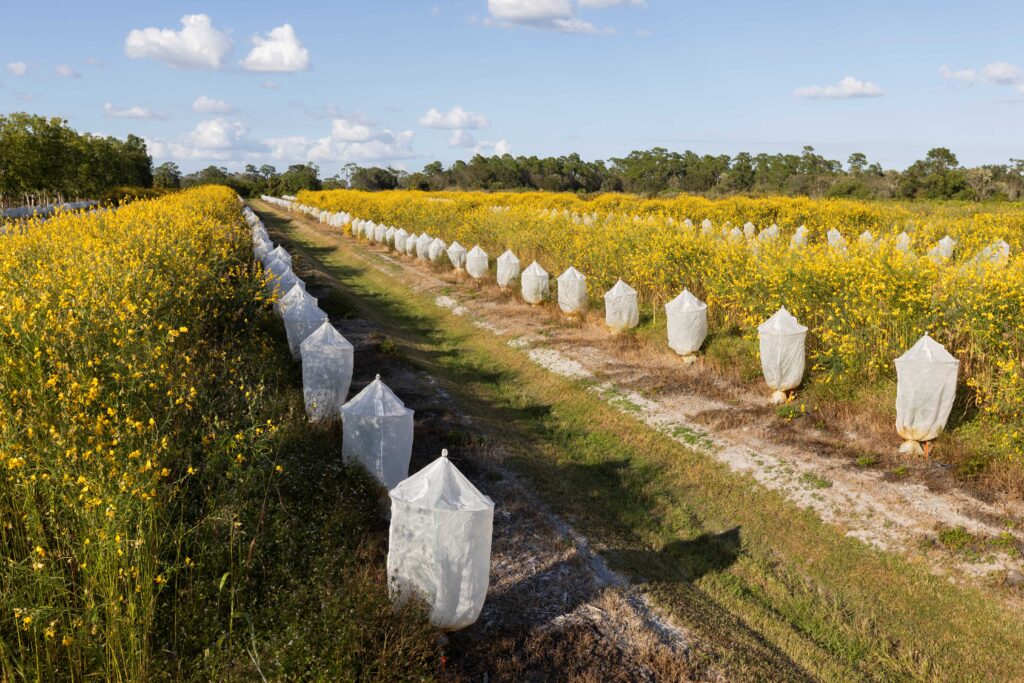
He cited sunn hemp as a good cover crop choice. It produces high amounts of biomass and is a poor host to root-knot nematodes and sting nematodes. It also contains alkaloids in its tissue. Sunn hemp’s leaf and root residue have nematicidal activity. He’s noticed more strawberry growers planting cover crops during the offseason.
“I think there’s significant increase. When I look at strawberry fields in Hillsborough County in the summer, they’re full of sunn hemp,” he noted. “Looking back five or 10 years ago when I started, most of those fields were bare in the summer. Right now, you drive in Plant City in June, and you’ll see beautiful, yellow-flowering sunn hemp all over the place.”
Multiple Benefits
Outside of nematode management, cover crops help increase soil organic matter. They help feed soil microbes and build soil nutrient-holding capacity. As the cover crops break down in the soil, they provide food for the microbial community.
Certain cover crops help to fix nitrogen. Legumes (e.g., crimson clover, hairy vetch and sunn hemp) fix atmospheric nitrogen, reducing the need for fertilizers.
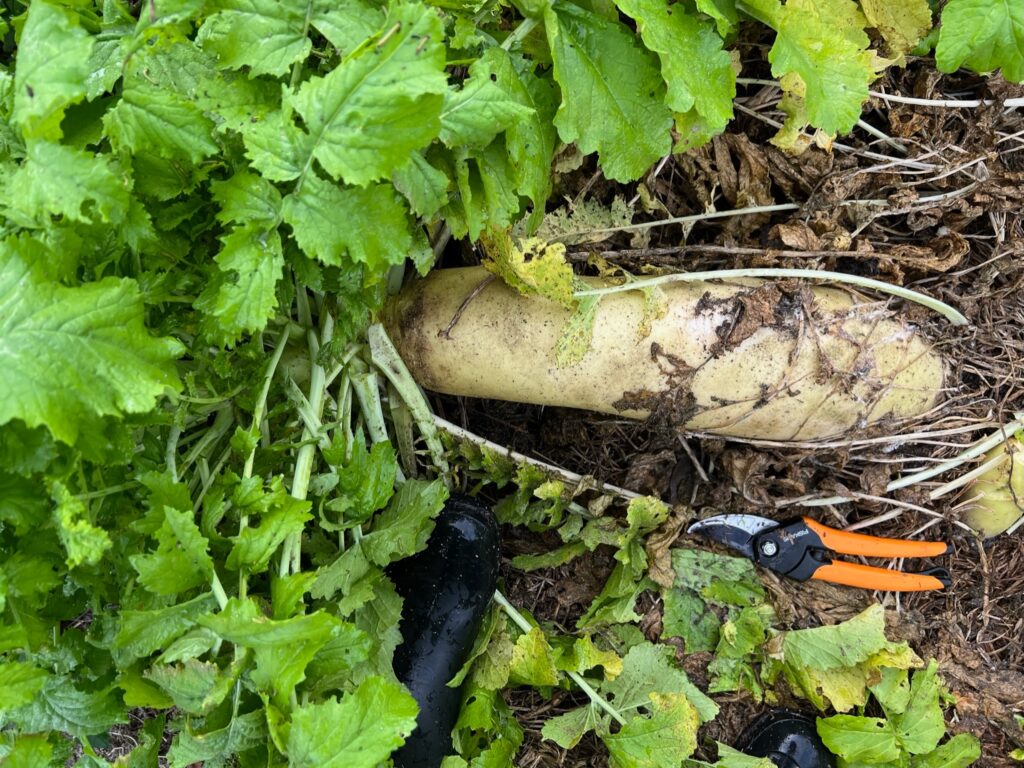
Cover crops can also help reduce potential erosion in fields, especially root crops like daikon radish. During dry periods, cover crops can help water-holding capacity in soils.
Cover crops compete with weeds for light, water and nutrients while alive, and their residues (when terminated) create a mulch layer that inhibits weed germination before the main commercial crop is planted.
Never Leave Soil Naked
Research has shown that bare ground during the fallow period can be detrimental to the soil. U.S. Department of Agriculture studies have illustrated that the soil ecosystem doesn’t rest and constantly needs food. This ecosystem is driven by organic matter and root exudates, which cover crops provide.
Click here for video.