











By Clint Thompson
The Georgia Fruit and Vegetable Growers Association (GFVGA) is one of the many ag-based organizations praising the Securing Agriculture’s Workforce Act, recently introduced by U.S. Representative GT Thompson.
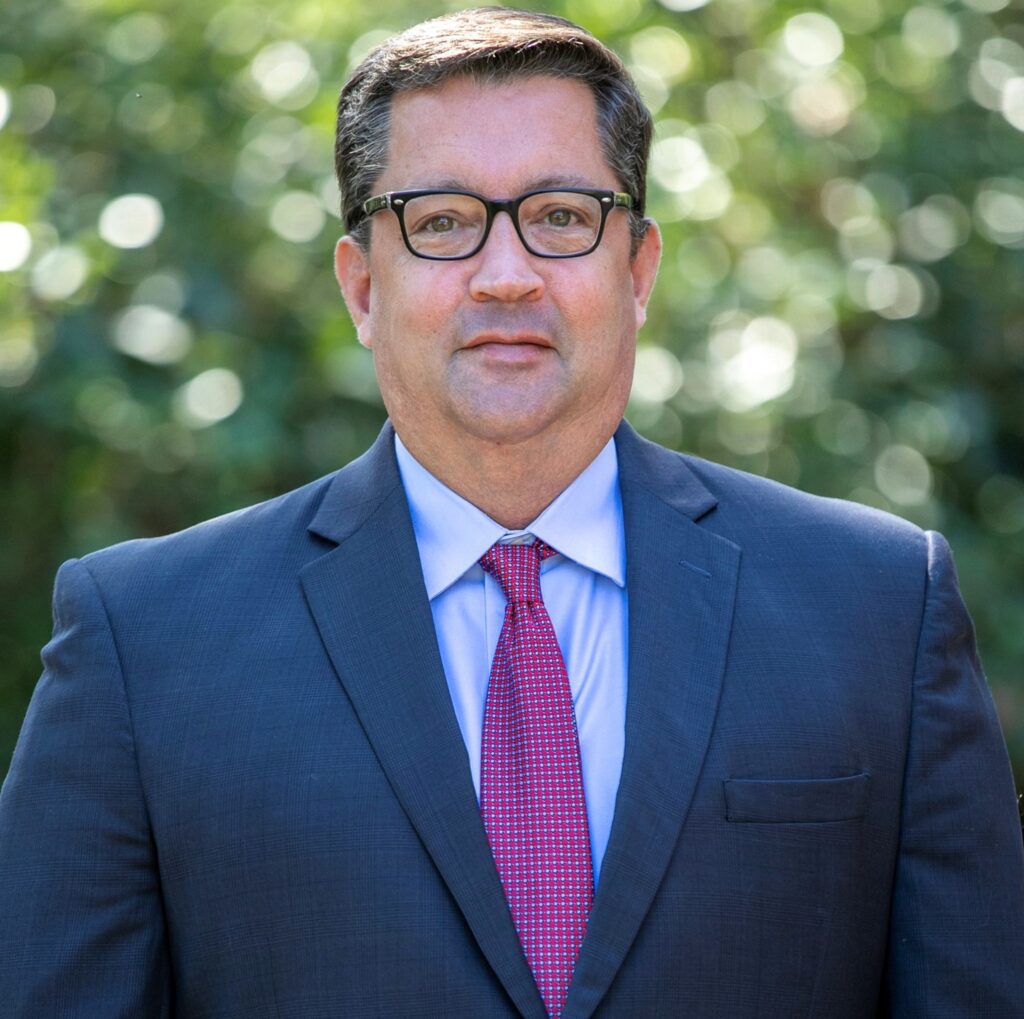
Chris Butts, GFVGA executive director, highlighted the bill’s far-reaching impact.
“We have to have this. It’s a solid bill. It was a bipartisan bill,” Butts said. “It was written with input from people from across the industry, from across the country. I think it is critical because it represents different production areas but also different areas with different immigration challenges or ag labor challenges. We’ve got to have it.
“It’s a fantastic start to a piece of legislation, in my opinion. I mean, we look forward now to discussing it and trying to move it forward and trying to get it signed, done and signed, so we can make these changes permanent to the program.”
Political Support
For ag labor reform to occur, the bill will need support from both sides of the political aisle.
“I think the critical thing here is we’re not trying to solve immigration. We’re not even trying to solve ag immigration in its entirety,” Butts said. “We’re trying to make the H-2A program one that can operate and sustain the industry for the next 20 to 50 years.”
The H-2A program allows U.S. employers or U.S. agents who meet specific regulatory requirements to bring foreign nationals to the United States to fill temporary agricultural jobs. According to American Farm Bureau, more than 400,000 H-2A positions were requested in FY 2025. Almost half of the certifications occurred in just five states, including Florida, Georgia and North Carolina.
If Thompson’s bill is signed into law, the labor legislation would be the first reform to the H-2A system in 40 years.
“I mean, just think about how much life has changed in the last five to 10 years, and then go back and say we’re trying to run this program as it was envisioned 40 years ago,” Butts said. “I think what’s changed, technology has certainly changed. The program has not utilized technology in a way that would allow it to have like a single portal. So that’s included in the new bill.
“You bring it up to date, modernize it, make it where it is not such a cumbersome program for people to participate in. All that is good.”