









By Clint Thompson
The cotton jassid’s impact on certain vegetable crops means Southeast growers need a management plan. Corteva’s Transform® WG Insecticide is that tool growers can count on, says Jared Walls, Corteva Technical Field Agronomist in Georgia, who also covers Alabama and Florida.
“The good news is Transform is currently labeled on many of those specialty crops. When you look at the fruit and vegetable market, Transform has a label. Including that into that insecticide program can also help manage jassid on other crops,” Walls said. “One thing to consider when you’re a grower is to look at other pests in the field. What other beneficial insects are there that need to be protected. We know from years of experience that Transform is an excellent choice for plant bug and aphid control. This product is very soft on beneficial populations.”
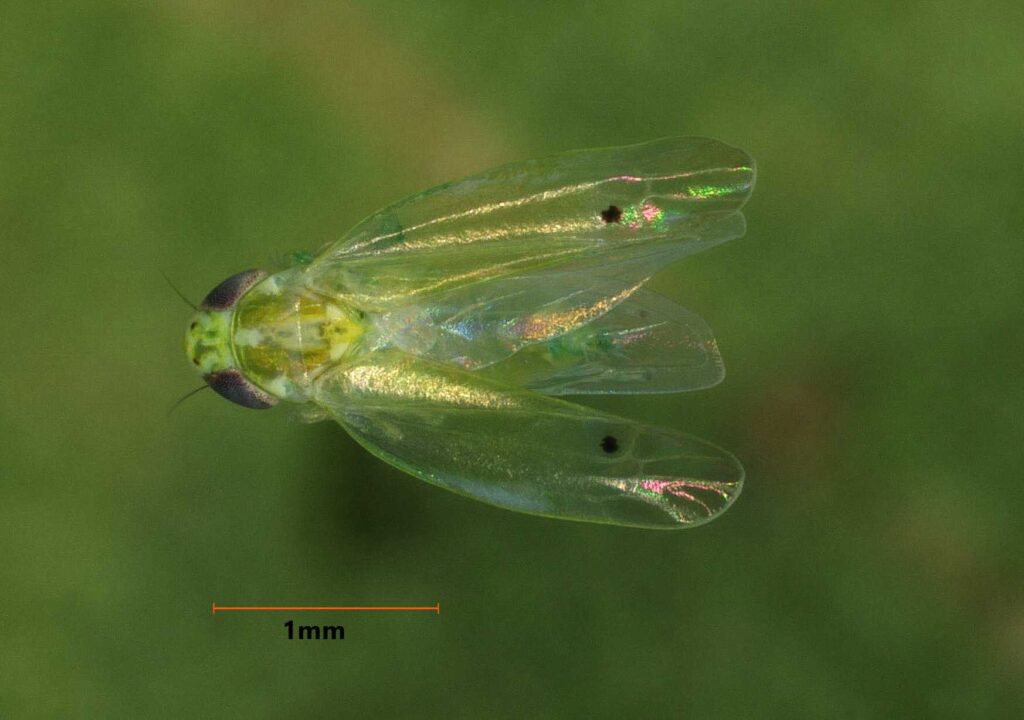
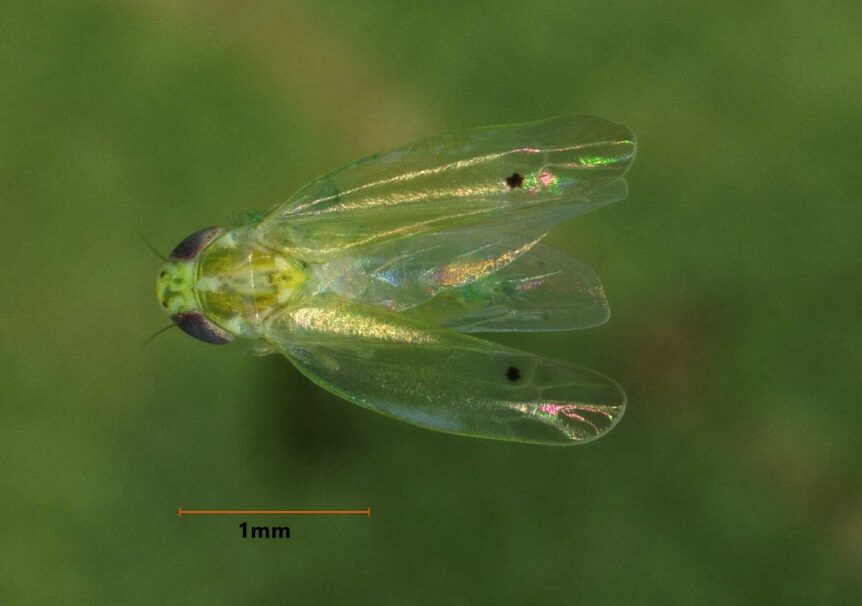
The cotton jassid made its presence known in 2025, mostly impacting cotton and certain vegetables like okra and eggplant. Its presence has been mostly minimal this year. University of Georgia vegetable entomologist Stormy Sparks said scouts and farmers have only reported seeing one or two jassids so far this summer.
But this time last year was when the jassid started impacting crops across the Southeast. Growers can ill-afford to let their guards down this summer considering how fast the jassid can reproduce.
“As of last week, I believe there were 12 counties in Georgia, Florida and Alabama that had confirmed jassid. But all of those to my knowledge, at least what’s being reported through the universities, all of those are adults,” Walls said. “They’re thinking migratory in nature; very few nymphs and immatures are present. They’re not really reproducing heavy right now.
“From our experience last year (though), we know that reproduction can happy extremely quickly. I think it’s one to two weeks when they go to eggs to mature pests. Once it gets extremely hot, that life cycle tends to progress a little more rapidly.”