









By Clint Thompson
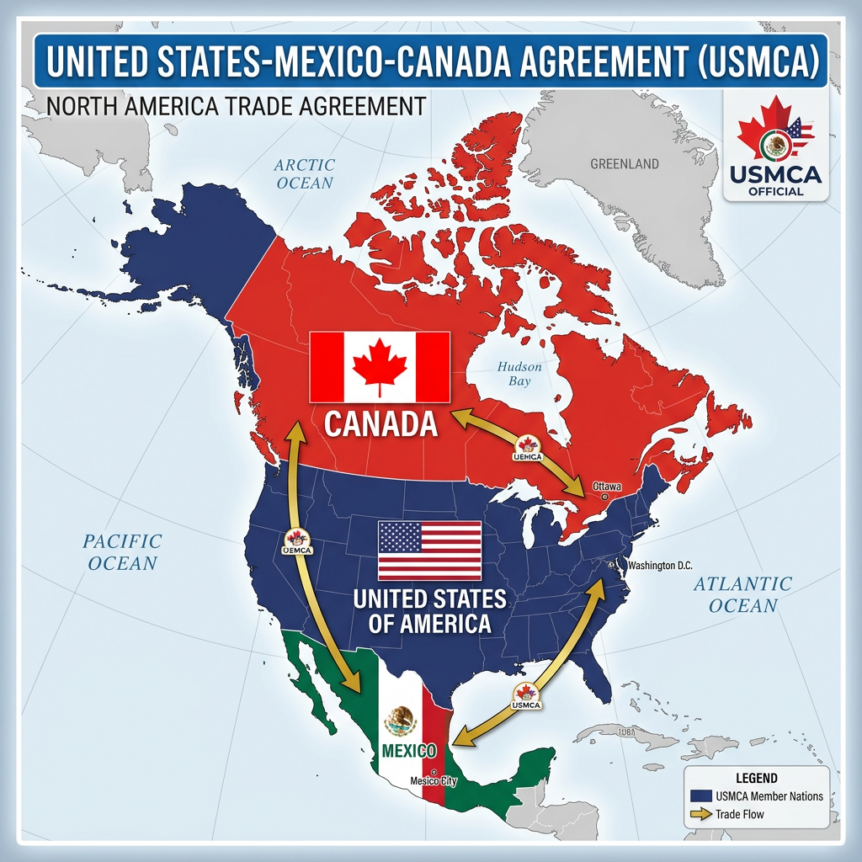
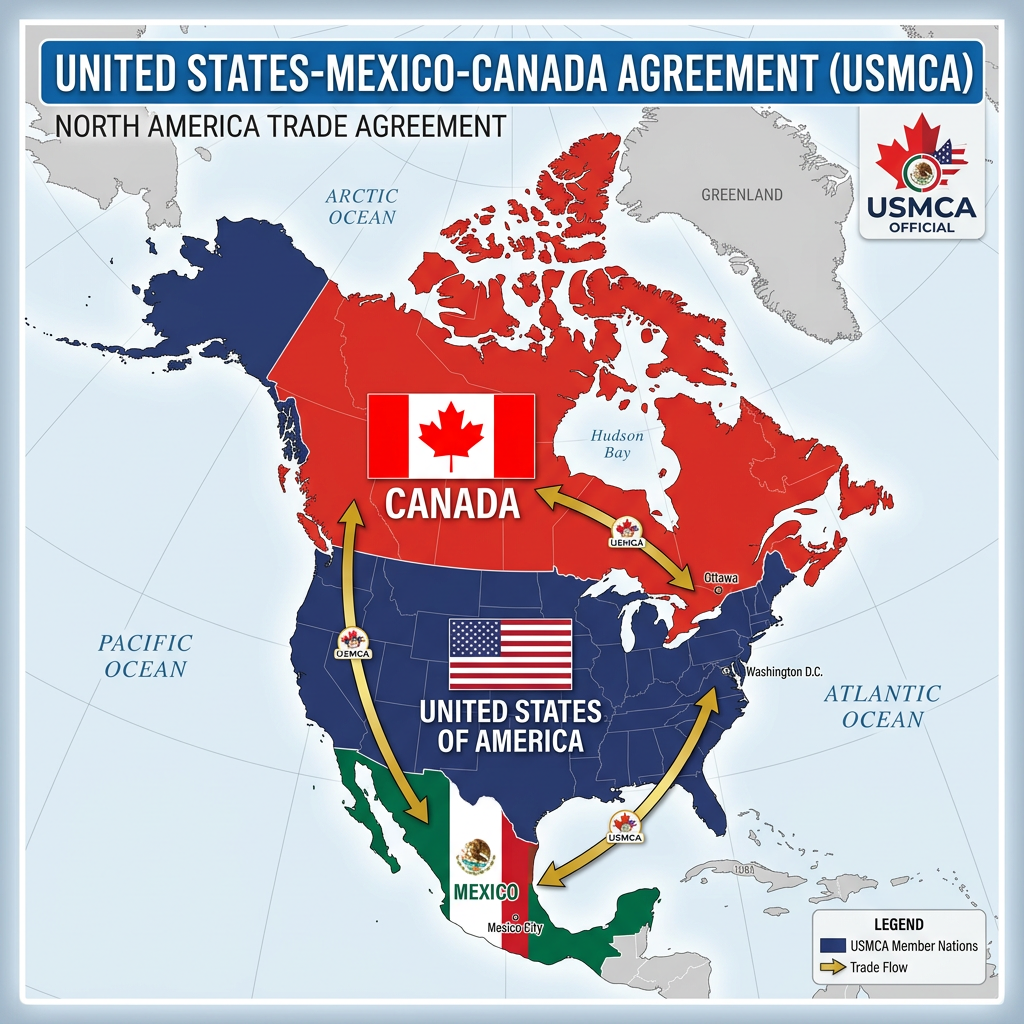
The future of the USMCA is unclear. What is clear is that modifications need to be made to the important piece of legislation, says Chris Butts, executive director of the Georgia Fruit and Vegetable Growers Association (GFVGA).
“Yes, we did feel like changes were needed, and frankly, I think we need to let the dust settle a little bit. In terms of USMCA and what it looks like going forward, because the wording seems like it does trigger, like it will continue in some capacity,” Butts said. “We’re not completely sure how that looks yet, but we remain hopeful that USTR (U.S. Trade Representative) will find a way to limit the flow of select fruits and vegetables during our traditional marketing season so that our markets aren’t flooded with cheap imports.”
U.S. Trade Representative Jamieson Greer issued a statement on July 1 that indicated the United States did not agree to renew the USMCA in its current form. Much of the U.S.’s discontent centers on trade disadvantages with the two countries, especially Mexico. Butts is concerned that disadvantage will only lead to more crops being hurt by cheap imports.
“We’ve seen continued investments in infrastructure in farms in Mexico and Central America. So we don’t think that the problem is going to get better. In fact, we would suggest that as they continue to grow more crops and grow their operations, then there will be other commodities that will be impacted,” Butts said.
“During our traditional marketing windows, we can’t have so much product flood in that it crashes the market for domestic producers. Essentially, what we’ve done is there is no market for that crop. And that doesn’t work.”