









Photo by Scott Bauer
By Frank Giles
Whiteflies, aphids and other pests continue to be significant problems in Southeastern vegetable production. Recently, the Emerging Viruses in Cucurbits Working Group hosted a series of webinars addressing several important viruses pests may carry.
The group’s mission is to improve communication and knowledge about viruses across the cucurbit industry and develop strategies to successfully identify and mitigate virus threats to cucurbit production in the United States. The webinars covered persistent challenges and new threats emerging in fields.
Squash Vein Yellowing Virus
Scott Adkins, a U.S. Department of Agriculture virologist and director of the U.S. Horticultural Research Laboratory in Fort Pierce, Florida, presented a webinar on squash vein yellowing virus (SqVYV).
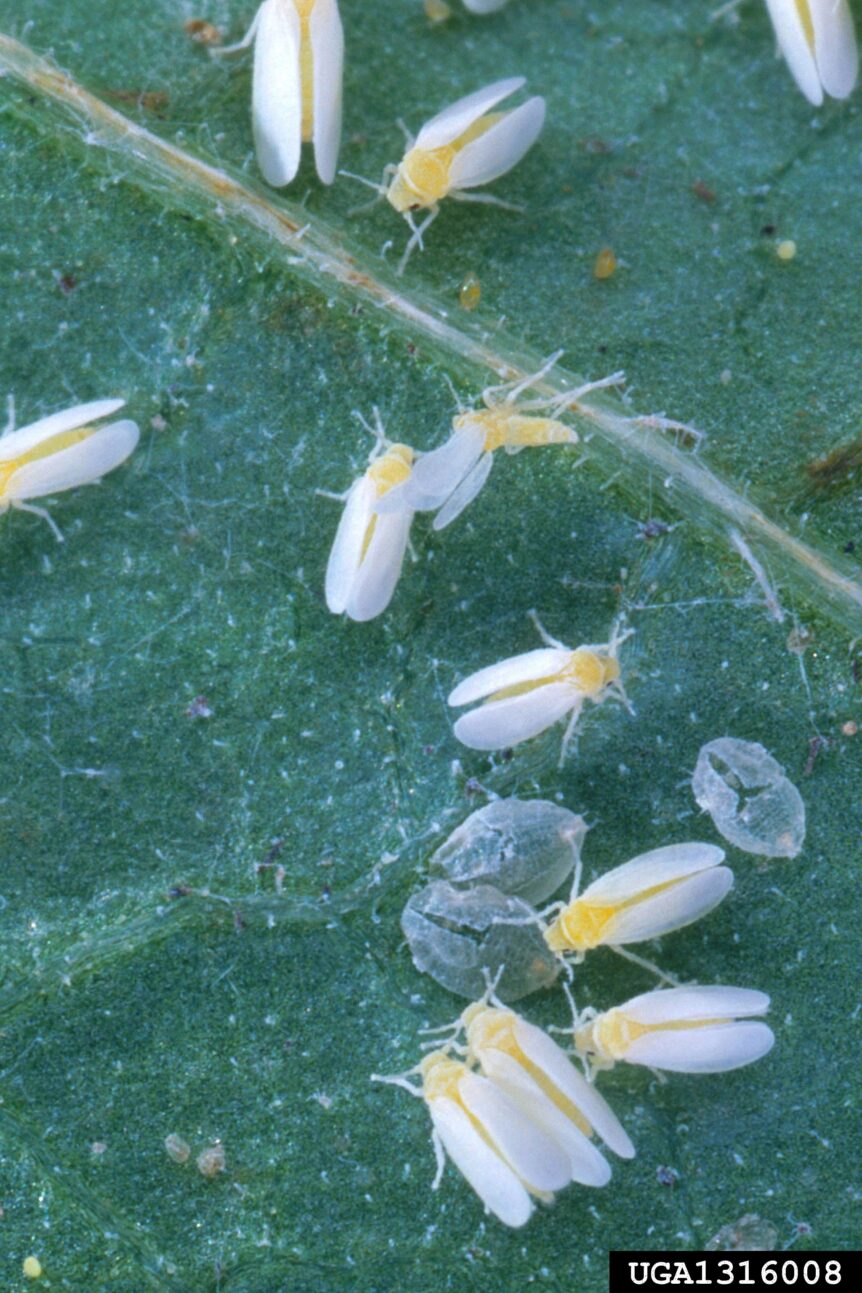
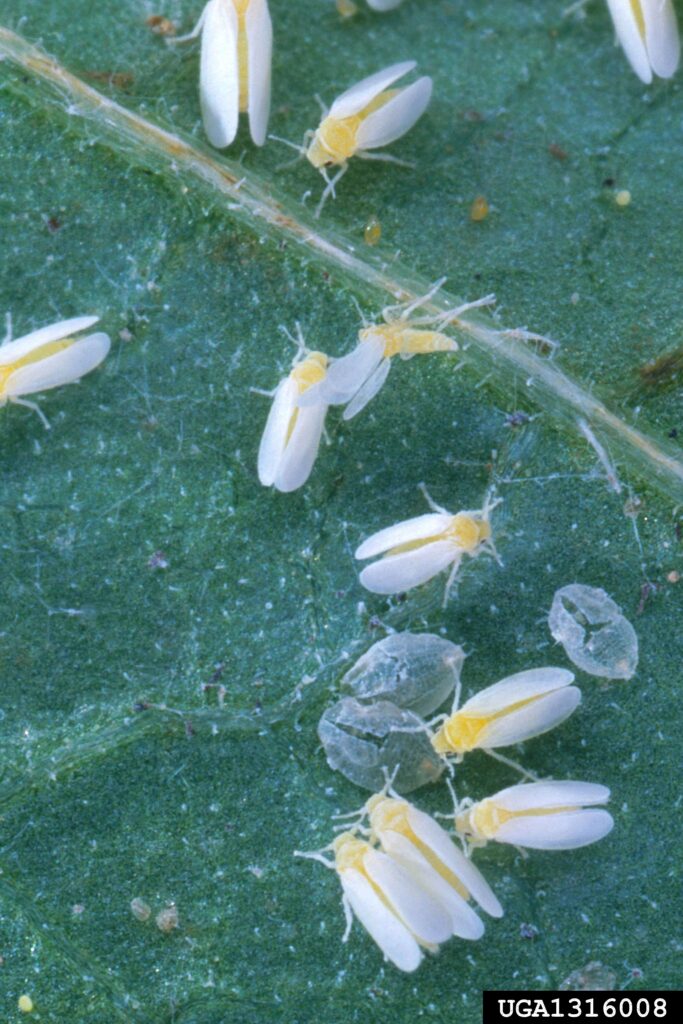
Adkins has been working on plant diseases for more than 30 years. He noted when he first began this work there were no whitefly-transmitted diseases in Florida. That changed when the whitefly biotype B (silverleaf or sweet potato whitefly) came onto the scene and new viruses began to emerge across the state.
SqVYV was first identified in Florida in 2003 in squash. It can cause symptoms in squash that reduce marketability, but watermelon has been the hardest hit by the disease. It leads to rapid vine decline and collapse, often just before or at harvest. Symptoms begin subtly with flagging, yellowing and wilting at vine tips, progressing rapidly to widespread necrosis, plant death and unmarketable fruit.
Early 2000s estimates from the National Watermelon Association placed Florida SqVYV losses at over $60 million. The disease can also be severe in Georgia and South Carolina.
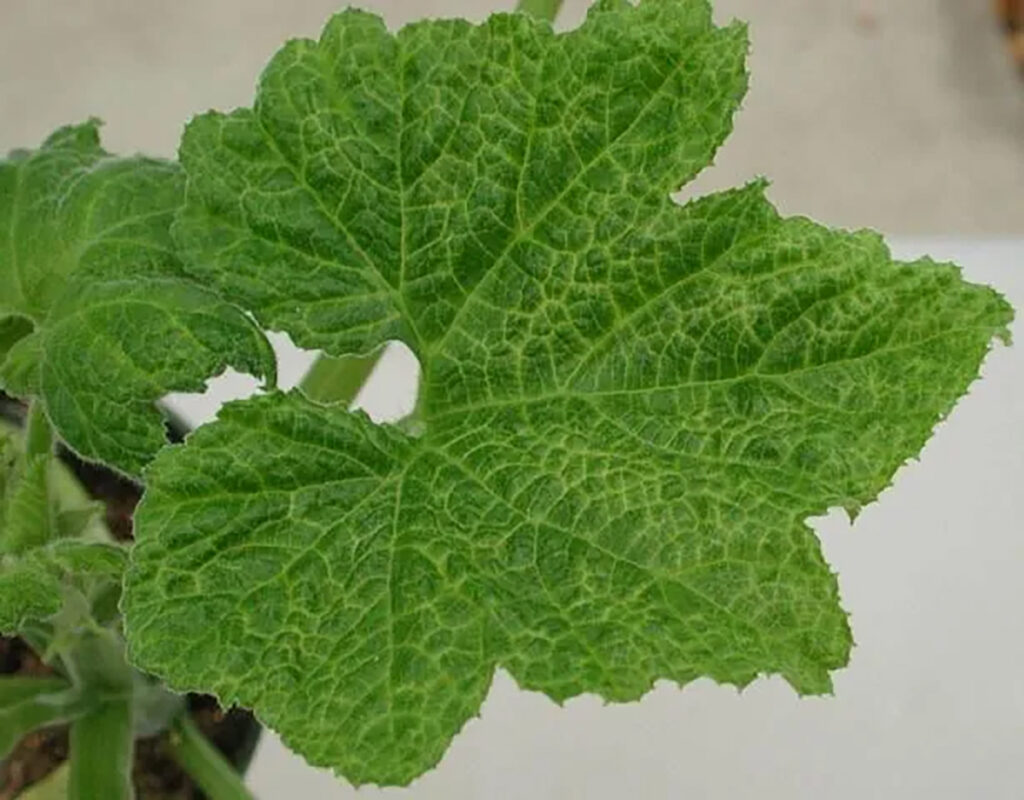
Photo by Pamela Roberts, UF/IFAS
Adkins noted that this disease produces symptoms that, especially at first, might be confused with other viral diseases. Therefore, accurate diagnosis is essential. Since it is a viral disease, fungicides applied will not be effective. Adkins offered some management tactics for the disease.
He suggested planting away from known whitefly sources. After a freeze is a good time to plant because the reservoirs for both the viruses and whiteflies are down, he said. Whenever they plant, growers will want to manage whiteflies as best as possible with insecticides.
Adkins added there are some lines of watermelon varieties in development that show some resistance to SqVYV. Disease prediction models are being developed to help growers take a more proactive approach against the disease.
Reflective mulches can deter whiteflies before the watermelon vines cover the mulch. Management of weeds that are reservoirs of the virus is another tactic. This is important in the field and along borders and ditches where problem weeds are located. Balsam apple and smell melon are among those weeds that can carry the virus. Volunteer cucurbit crops also can carry the disease.
“You want to practice all of these integrated pest management actions to the extent that you can to manage squash vein yellowing virus and the watermelon vine decline it causes,” Adkins advised.
New Disease Emerging
Dring the webinar series, Olufemi (Olaf) Alabi, Texas A&M University professor of plant pathology, discussed watermelon crinkle leaf-associated viruses 1 and 2 (WCrLaV-1 and WCrLaV-2). He noted that the disease is relatively new on the scene, so researchers are still learning about the virus and its potential threat.
It was first identified in China about a decade ago. Alabi’s research discovered it in Texas around 2020–21. The viruses have since been detected in Alabama, Florida and Georgia.
The viruses primarily attack watermelon but also other cucurbits like cucumber and zucchini. Alabi said infection symptoms include leaf crinkling, yellowing/mosaic, chlorosis, stunting and fruit deformation.
Since the disease has only been known for a short period of time, transmission is not fully understood. Alabi said there is much yet to learn. Some suspect the melon aphid (Aphis gossypii) transmits the disease, but it has been shown to move by mechanical means, like equipment and field workers, and possibly via seed transmission.
Management recommendations are limited, but good cultural and phytosanitary practices are essential to limit the viruses’ spread. Currently, lab diagnosis is the best way to confirm the disease if growers suspect they might have it in their fields.
Video
Click here to view video component.