









By Clint Thompson
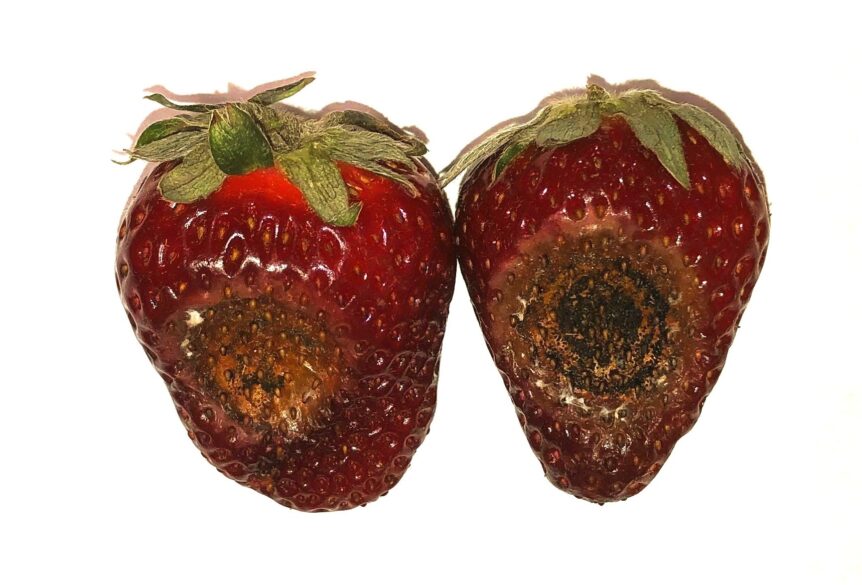
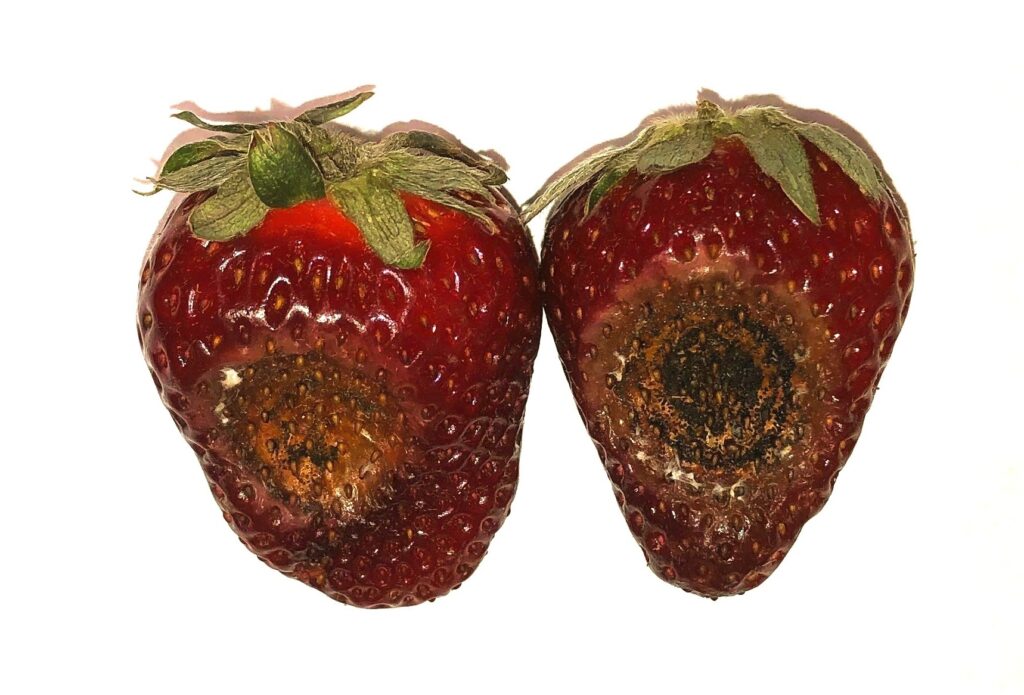
Strawberry plantings will soon begin across the Southeast. Plant sourcing remains the best line of defense against Neopestalotiopsis (Neo) disease, says Phil Brannen, University of Georgia (UGA) Cooperative Extension fruit disease specialist.
“We tell people to make sure you’re talking to your nurseries and getting from a nursery that does not have a history of having it, and that pretty much limits us to a lot of the nurseries out west at this point,” Brannen said. “There are a lot of questions about it. I had a nurseryman call me (recently) to ask me what I’m hearing about Neo this year. I was like, I haven’t heard anything yet, but they’re all concerned about it.
“We’re still continuing to learn but yeah the bottom line is make sure you get your plants from a place that doesn’t have it and then that’s 90% of the battle or more.”
Disease Background
Neopestalotiopsis has been a danger to strawberry plants every year since it was first discovered during the 2018–19 season on five farms in Florida. The disease’s initial discovery was attributed to one nursery source in North Carolina. More than 20 farms experienced the disease during the 2019–20 season after it was attributed to two nursery sources early in the season in North Carolina and Canada.
It can lead to severe leaf spotting and blighting under favorable weather conditions, specifically during extended periods of wetness.
The disease’s threat has led more Southeast growers to change where they source their plants from. Instead of up north, more are reaching out to nurseries out west.
“In general, if you look at it throughout the Southeast, really the east coast, a lot of the growers are now going out west for their plants,” Brannen said. “That’s unfortunate, but it’s the way it is. I feel sorry for the nurseries that have had it and the ones that continue to have problems with it, but if you’re a grower, you just have to source your plants from a good nursery that doesn’t have it.
“It’s not to say that the nurseries that have it are bad nurseries, but I’m just saying that they’re the ones that, if you’re getting your plants from them, you’re taking a risk. And the risk is very, very high if you bring it in with your plants.”