









By Clint Thompson
Long-term management of Neopestalotiopsis (Neo) disease in strawberries may hinge on research breeders developing new varieties that are resistant to the disease.
Phil Brannen, University of Georgia (UGA) Cooperative Extension fruit disease specialist, is especially encouraged by the progress of new cultivars being developed in the Southeast.
“There is some research now coming out of Florida and elsewhere that I’m encouraged that there could be some cultivar or varietal resistance that we’re going to see developed over time,” Brannen said. “That’s being tested. There are quite a few people in different universities now that are looking at resistance to Neopestalotiopsis. I’m at least somewhat encouraged by some of the cultivars that are coming through the pipeline there.
“We may have cultivars soon that would be resistant, but then the question is whether they grow in Georgia or wherever, because they have to be very specific sometimes to the region. I’m encouraged that something’s going to happen there.”
Disease Background
Neopestalotiopsis has been a danger to strawberry plants every year since it was first discovered during the 2018–19 season on five farms in Florida. The disease’s initial discovery was attributed to one nursery source in North Carolina. More than 20 farms experienced the disease during the 2019–20 season after it was attributed to two nursery sources early in the season in North Carolina and Canada.
Clean plants are a key in helping deter the disease’s impact. The disease’s threat has led more Southeast growers to change where they source their plants from. Instead of up north, more are reaching out to nurseries out west.
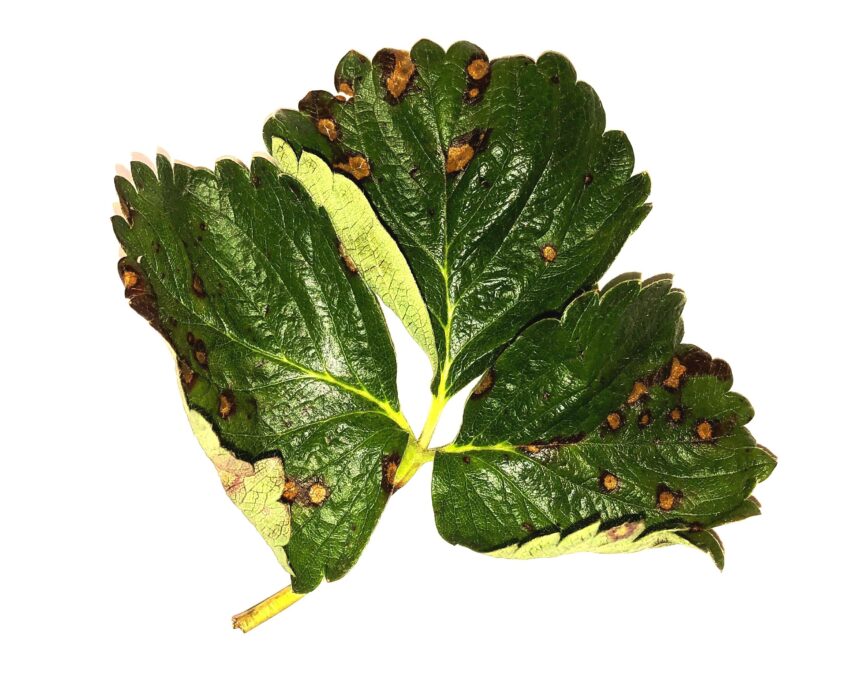
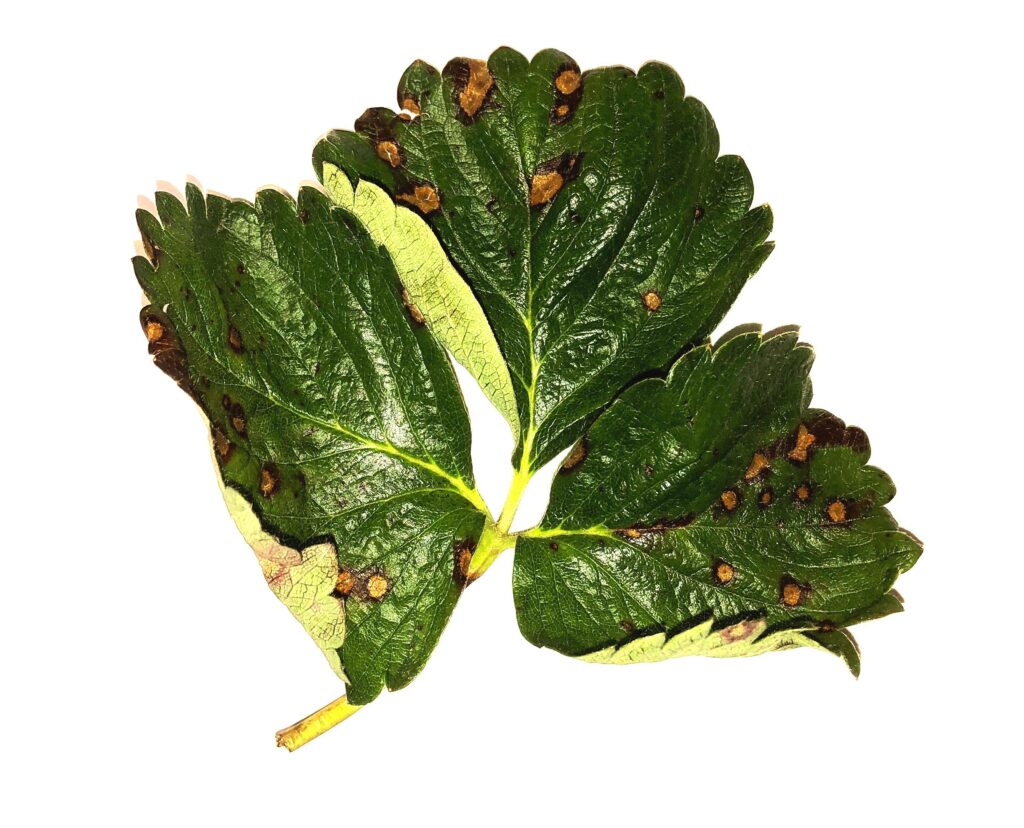
Neopestalotiopsis can lead to severe leaf spotting and blighting under favorable weather conditions, specifically during extended periods of wetness.