









By Clint Thompson
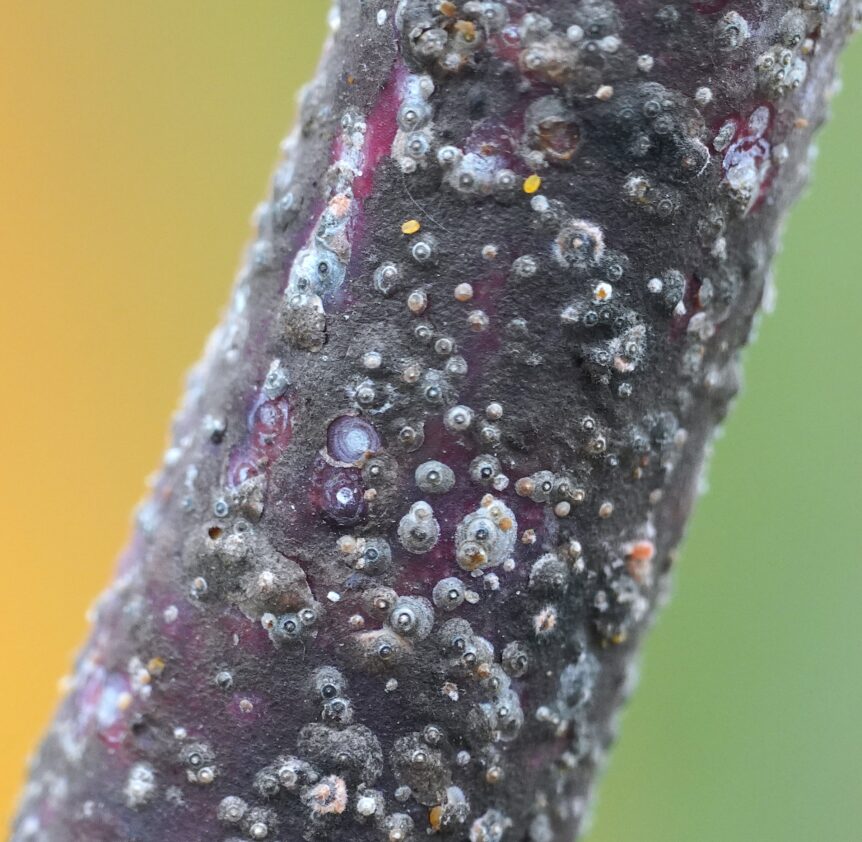
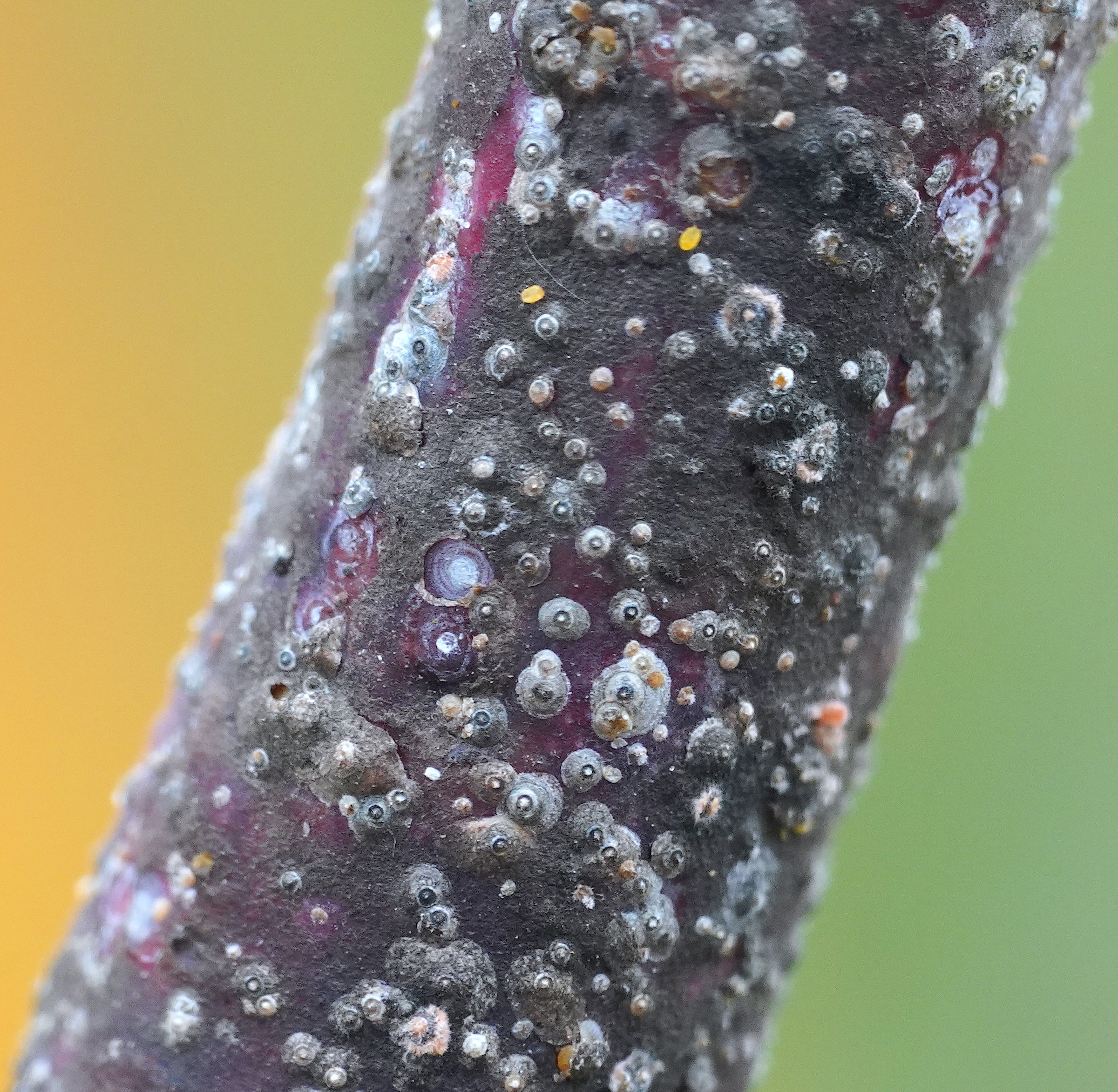
San Jose Scale is an annual problem for Southeast peach growers to contend with. There’s too much working in its favor with peach production in Georgia and Alabama, says Brett Blaauw, assistant professor at the University of Georgia (UGA) College of Agricultural and Environmental Sciences.
“That is one, unfortunately, that will probably never go away, just because it’s in our environment and it’ll be there forever,” Blaauw said. “Regardless of how good our management practices come, I think it’s just something that we’ll always have to battle at least a little bit.”
Maybe more concerning is the emergence of the white peach scale, which can inflict more damage.
“One additional scale insect, the white peach scale, it has similar damage to the trees that San Jose scale does, and we’re starting to see it more common in Georgia and South Carolina,” Blaauw said. “It’s a little concerning, mainly because it’s a larger scale insect and then because of it just being bigger, it can actually cause more damage than San Jose scale if not managed.”
Blaauw said the white peach scale has a white coating. It looks as if someone sprinkled snow on a tree. It is easier to observe than San Jose scale.
Management
Management is key to growers overcoming scale’s threat.
“If it’s gone unmanaged, the white peach scale can do a lot more– or it’s about the same amount of damage, but just quicker than the San Jose scale can,” Blaauw said. “San Jose scale, unfortunately, because it’s harder to find, we usually don’t notice it until the damage is already started.
“It’s like we see that when it’s too late and then we’re doing a reactive type of management. But with white peach scale, if you can find it early enough by seeing that white, we can be a little bit more proactive and do some spot spraying to get that one,” he noted. “But scale insects in general, managing those with a late-season, like early-fall dormant oil and coming back in the following winter or early spring with another oil spray, those two oil sprays can do a lot to help reduce the numbers of scale.”