









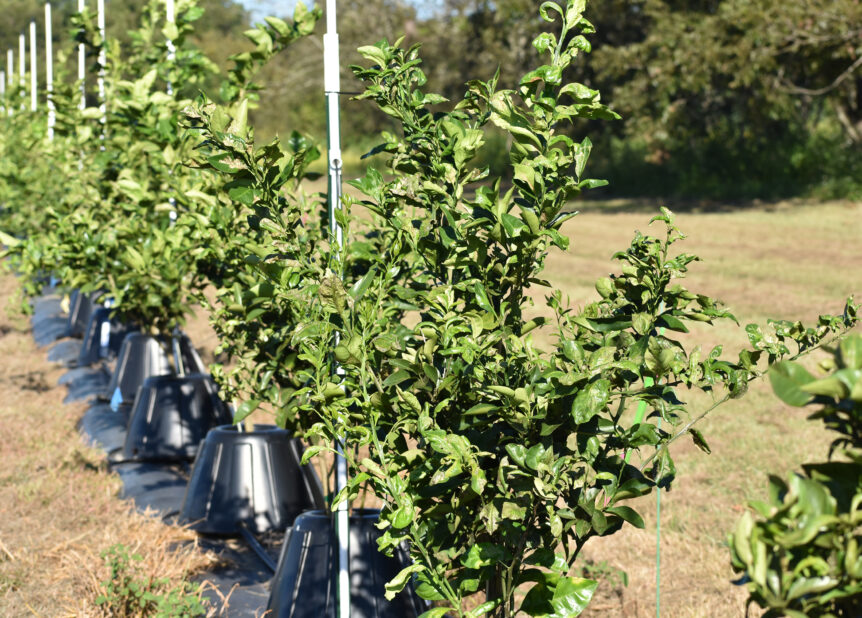
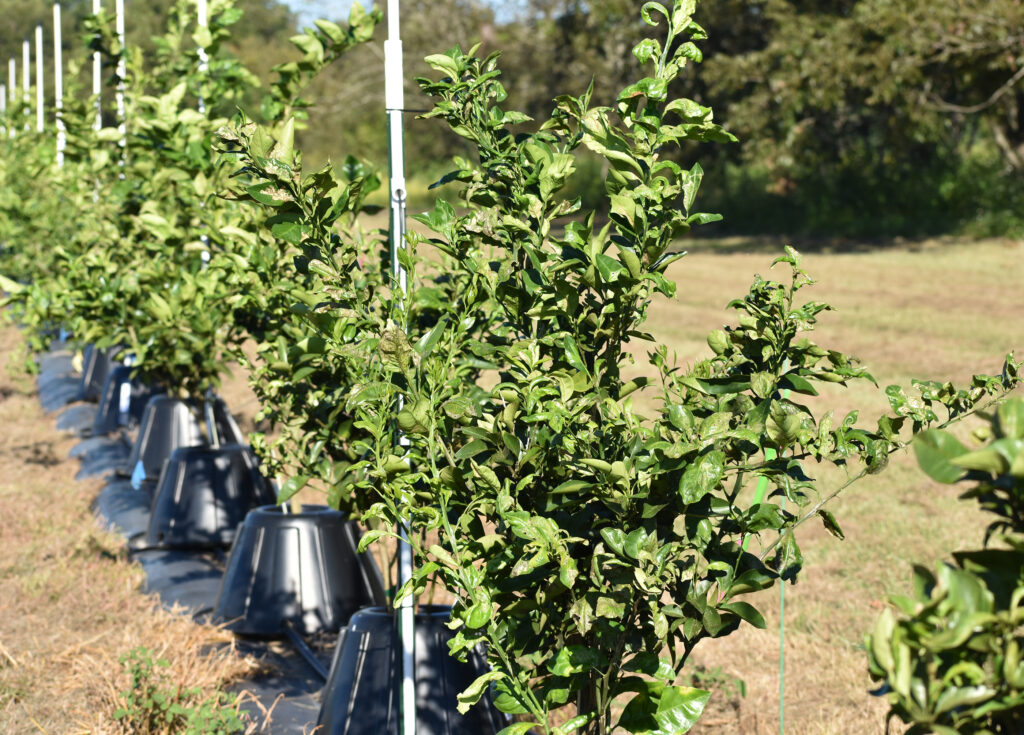
Blood oranges are an enticing option to help cold-hardy citrus producers diversify their crop portfolio.
Muhammad Shahid, assistant professor of horticulture at the University of Florida Institute of Food and Agricultural Sciences, is researching the crop at the North Florida Research and Education Center in Quincy. Nothing has deterred him from recommending it to growers in North Florida, South Georgia and South Alabama.
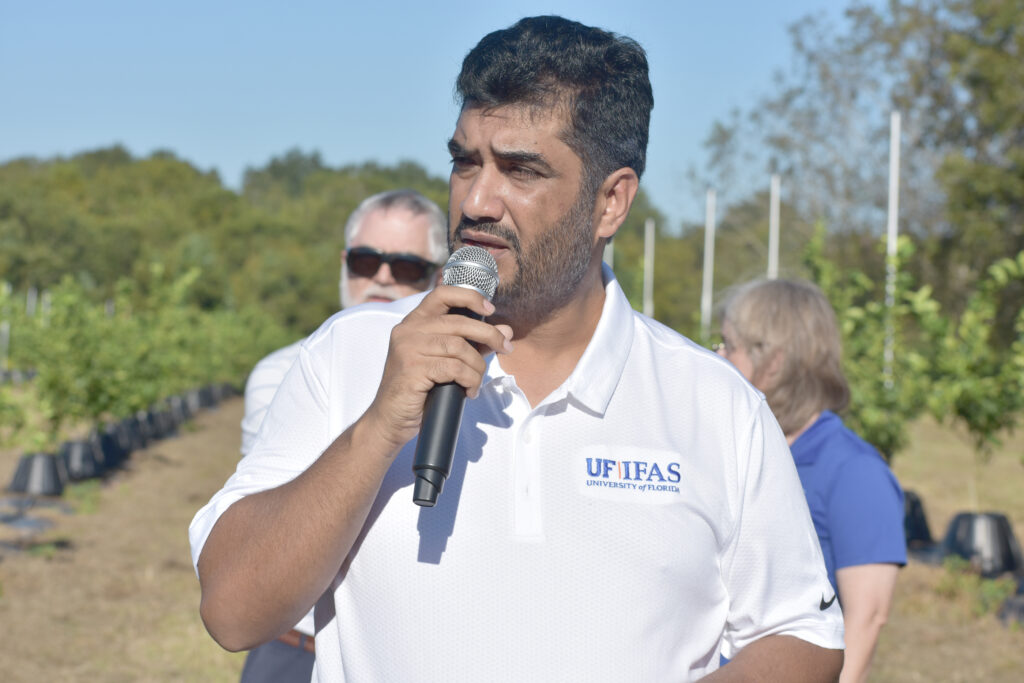
“I started the research in blood oranges because it’s a premium fruit, and the climate in this area —North Florida, South Georgia, Alabama — suits it very well,” Shahid said. “The fruit needs some cooler nights to develop the proper color. Based on some initial trials done by my predecessor, we see that the climate is very favorable. It is developing very good fruits.”
Blood oranges are full of anthocyanins, a type of antioxidant that provides the fruit with its distinct dark red color.
Shahid said the research includes a grove of about 400 trees, four varieties and four different rootstocks. “They have shown very good cold tolerance. After one freeze event, they recover very well.”
Blood oranges could be harvested in December just ahead of the January timeframe in California. The price of the fruit can be double, triple or more compared to other citrus varieties in the market.
“We know that blood oranges can survive, and most importantly, we can diversify the industry in this region,” Shahid said. “The blood orange is a premium fruit, and more than 90% of the fruit in the market are coming from California. If we develop blood oranges in the cold-hardy citrus region, we will be almost 40 days earlier than California and getting the better price.
Shahid said blood oranges are harvested immediately after satsumas. “Once you’re done with the satsuma harvest, you’re going to move to the blood oranges with the same packing line and the same crew. It will increase the profitability in this area.”

By Clint Thompson