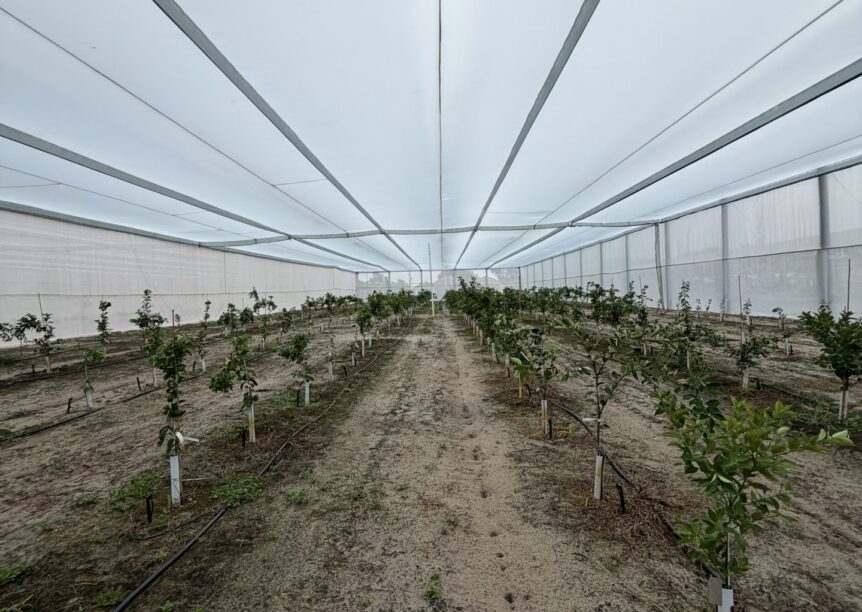
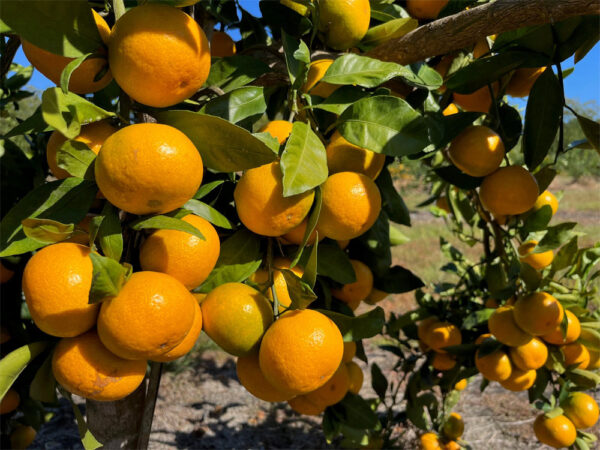
One of satsuma mandarin’s drawbacks is its alternate bearing tendency. It will produce a heavy crop load one year and a low one the next year. Mary Sutton, University of Georgia (UGA) assistant professor and citrus Extension specialist, said tree hedging may provide a solution. She discussed the management technique at the Southeast Georgia Citrus Update in Lyons, Georgia on …
Freeze Protection Discussed at Southeast Georgia Citrus Update
Freeze protection is a vital part of university research in the cold-hardy citrus region. Growers in South Georgia, South Alabama and North Florida only have to look back to last season to see temperatures that dropped to dangerously low levels for citrus production. Mary Sutton, University of Georgia (UGA) assistant professor and citrus Extension specialist, discussed freeze-protection measures at the …
UGA Extension Hosts Southeast Citrus Workshop
A part of Georgia’s citrus crop lies in the southeastern part of the state. Aubrey Shirley, University of Georgia (UGA) Tattnall County Extension coordinator, believes that portion is continuing to grow. The main threat to that growth is citrus greening disease. “If we get greening really bad and it starts to hinder production, I think the industry is so young, …
Despite Drought Relief, Irrigation Remains Critical for Cold-Hardy Citrus
Increased rainfall across the cold-hardy citrus region is a sight for sore eyes. Still, citrus growers in South Georgia, North Florida and South Alabama must stay on top of their trees’ water needs to help ensure a viable crop this season. Mary Sutton, University of Georgia (UGA) assistant professor and citrus Extension specialist, spoke on this subject at the recent …
Microjet Irrigation Most Effective Freeze-Protection Method
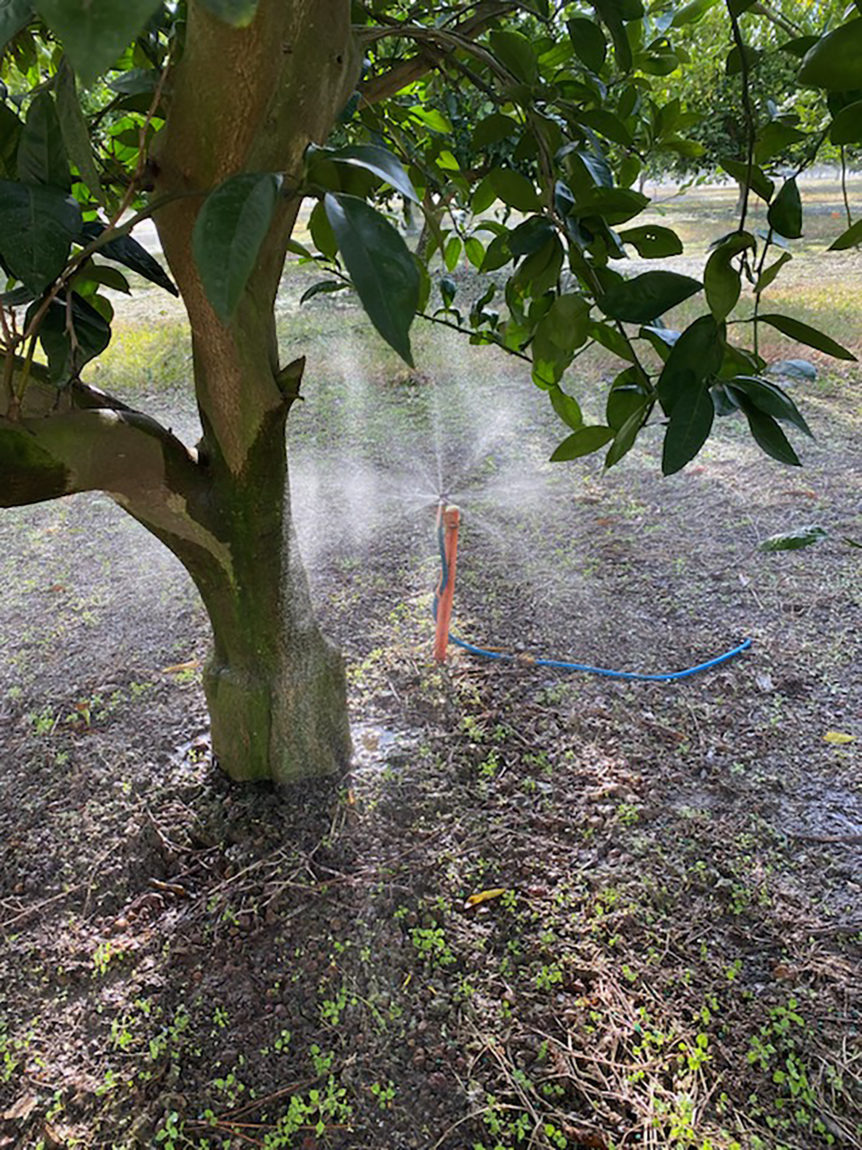
Microjet sprinklers provide the most effective way for producers in the cold-hardy citrus region to protect their trees from freeze damage. Microjet irrigation is even more effective than drip irrigation and overhead irrigation. Mary Sutton, University of Georgia (UGA) assistant professor and citrus Extension specialist, stressed that point during the recent Georgia-Florida Irrigation Expo at the UGA Vidalia Onion and …
June Drop Underway in Cold-Hardy Citrus Region
It may not be June, but growers in the cold-hardy citrus region are experiencing June drop, a natural thinning process in which trees lose a lot of their fruit. Growers should not be alarmed about excess pieces of fruit that may be on the ground, says Mary Sutton, University of Georgia (UGA) assistant professor and citrus Extension specialist. “We are …
Cold-Hardy Citrus Crop Looks ‘Loaded’ for Upcoming Season
While still early in the production season, growers in the cold-hardy citrus region are optimistic for a bumper crop this year. That optimism comes despite a mid-March freeze and prolonged drought that impacted all of the Southeast but was especially dire in South Georgia, North Florida and South Alabama. Lindy Savelle, executive director of the Georgia Citrus Association, discussed the …
Potential Impact of Drought on Citrus Production
The prolonged drought in the Southeast could negatively impact citrus trees if growers are not applying the right amount and frequency of irrigation. Mary Sutton, University of Georgia (UGA) assistant professor and citrus Extension specialist, shared that message following the April 2 release of the U.S. Drought Monitor map for the Southeast. The map shows exceptional drought conditions worsening and …
Georgia Citrus Grower Optimistic After Freeze
A South Georgia citrus producer is upbeat after last weekend’s winter storm, which brought plunging temperatures and blistery wind conditions, threatened his grove. Jaime Patrick of Patrick Farms in Omega admitted it would still be a few days before he had a clearer view of the overall impact from the freeze. But he is optimistic. “It’s going to take us …
Draining Water From Groves Critical After Freeze
Cold-hardy citrus producers are now coping with the aftermath of last weekend’s winter storm. Water was a key tool that growers used in efforts to protect their crop from sub-freezing temperatures and blistering wind chills. Now, they need that water to drain as quickly as possible, says Lindy Savelle, executive director of the Georgia Citrus Association. “You don’t want to …