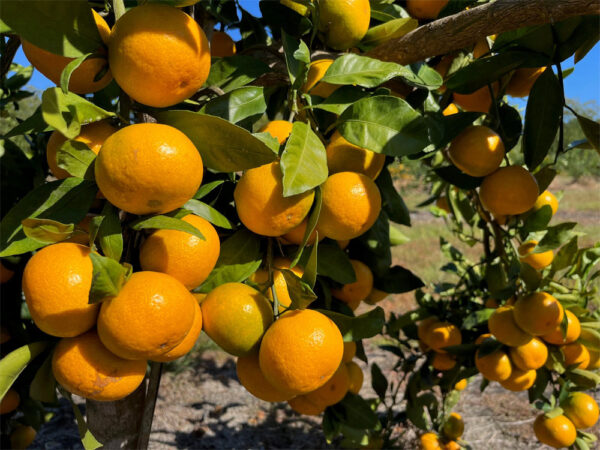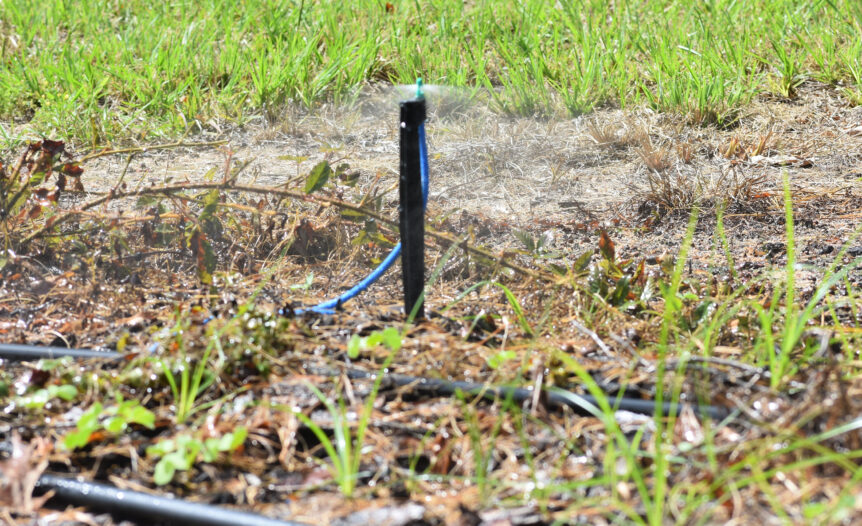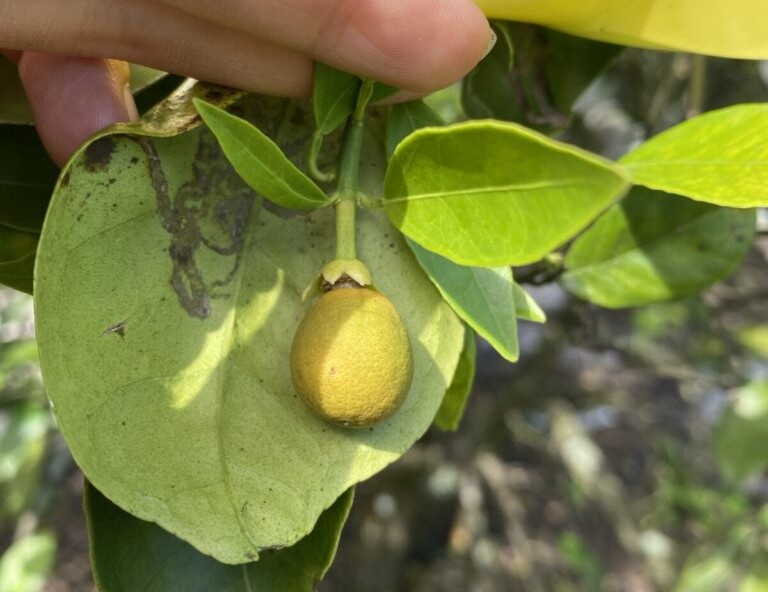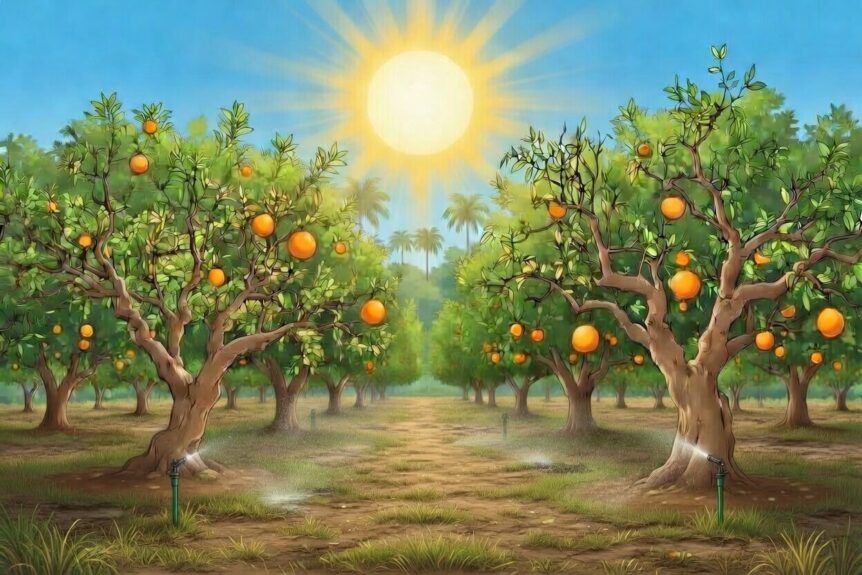








Consistent irrigation is needed during the final few weeks of production for this year’s crop in the cold-hardy citrus region. That management tactic will help prevent fruit splitting, said Mary Sutton, University of Georgia (UGA) assistant professor and citrus Extension specialist. Sutton said she has seen fruit split in a couple of spots that was caused by extended dry, hot …
Cooler Weather Key to Cold-Hardy Citrus Quality
Cold-hardy citrus producers are yearning for some cooler weather. It would not only provide some relief from the warm temperatures being experienced across North Florida, South Georgia and South Alabama, cooler temperatures will aid in color development in this year’s fruit, among other benefits. Mary Sutton, University of Georgia (UGA) assistant professor and citrus Extension specialist, discussed the impact of …
Canker Awareness for Cold-Hardy Citrus Region
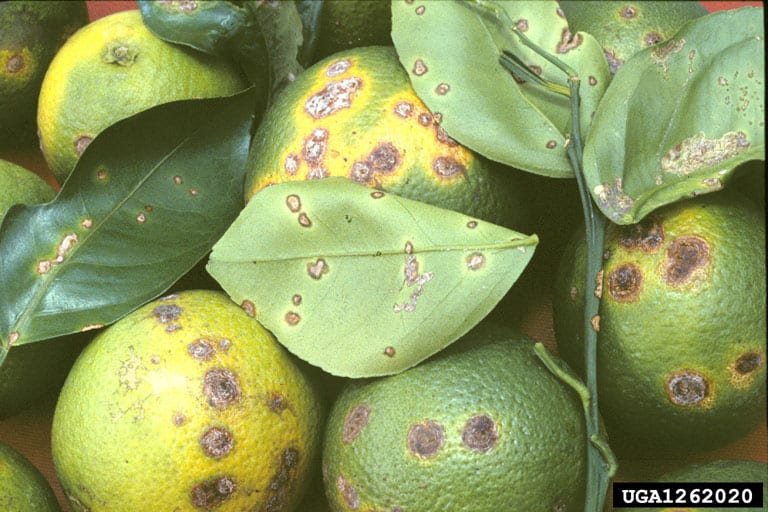
Citrus canker disease is an isolated threat in the cold-hardy citrus region that growers should remain aware of. Jonathan Oliver, University of Georgia (UGA) assistant professor and small fruits pathologist, recently discussed the disease and its potential impact in cold-hardy citrus. “Canker has been found in Georgia, as reported several years ago. It seems to be very isolated in a …
UGA Pathologist Discusses Citrus Greening and Psyllid Challenges
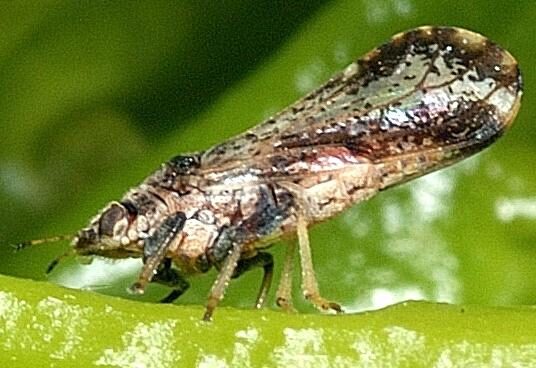
The most devasting disease to impact Florida citrus production is a threat to trees in the cold-hardy citrus region. Citrus greening disease has impacted Florida groves for more than 20 years and looms as a danger to trees in South Georgia, North Florida and South Alabama. While the best management strategy is prompt removal of trees, a longer-term solution is …
Citrus Red Mite Threatens Cold-Hardy Production
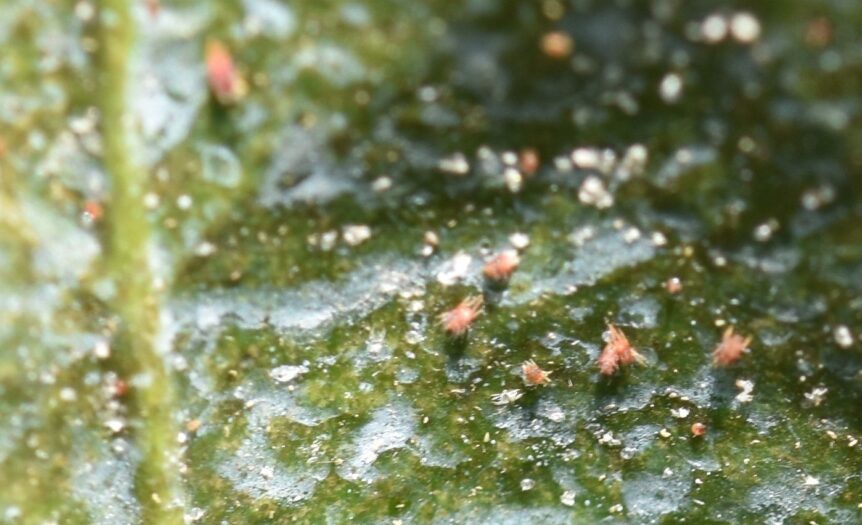
The threat of Asian citrus psyllids to cold-hardy citrus does not mean growers should ignore other insects and their potential impacts in North Florida, South Georgia and South Alabama. The citrus red mite should be a concern for growers, especially in the spring and if certain weather conditions persist, explains Apurba Barman, University of Georgia (UGA) assistant professor of entomology …
Hedging Under Study for Cold-Hardy Citrus
One of satsuma mandarin’s drawbacks is its alternate bearing tendency. It will produce a heavy crop load one year and a low one the next year. Mary Sutton, University of Georgia (UGA) assistant professor and citrus Extension specialist, said tree hedging may provide a solution. She discussed the management technique at the Southeast Georgia Citrus Update in Lyons, Georgia on …
Freeze Protection Discussed at Southeast Georgia Citrus Update
Freeze protection is a vital part of university research in the cold-hardy citrus region. Growers in South Georgia, South Alabama and North Florida only have to look back to last season to see temperatures that dropped to dangerously low levels for citrus production. Mary Sutton, University of Georgia (UGA) assistant professor and citrus Extension specialist, discussed freeze-protection measures at the …
Irrigation Maintenance Is Essential
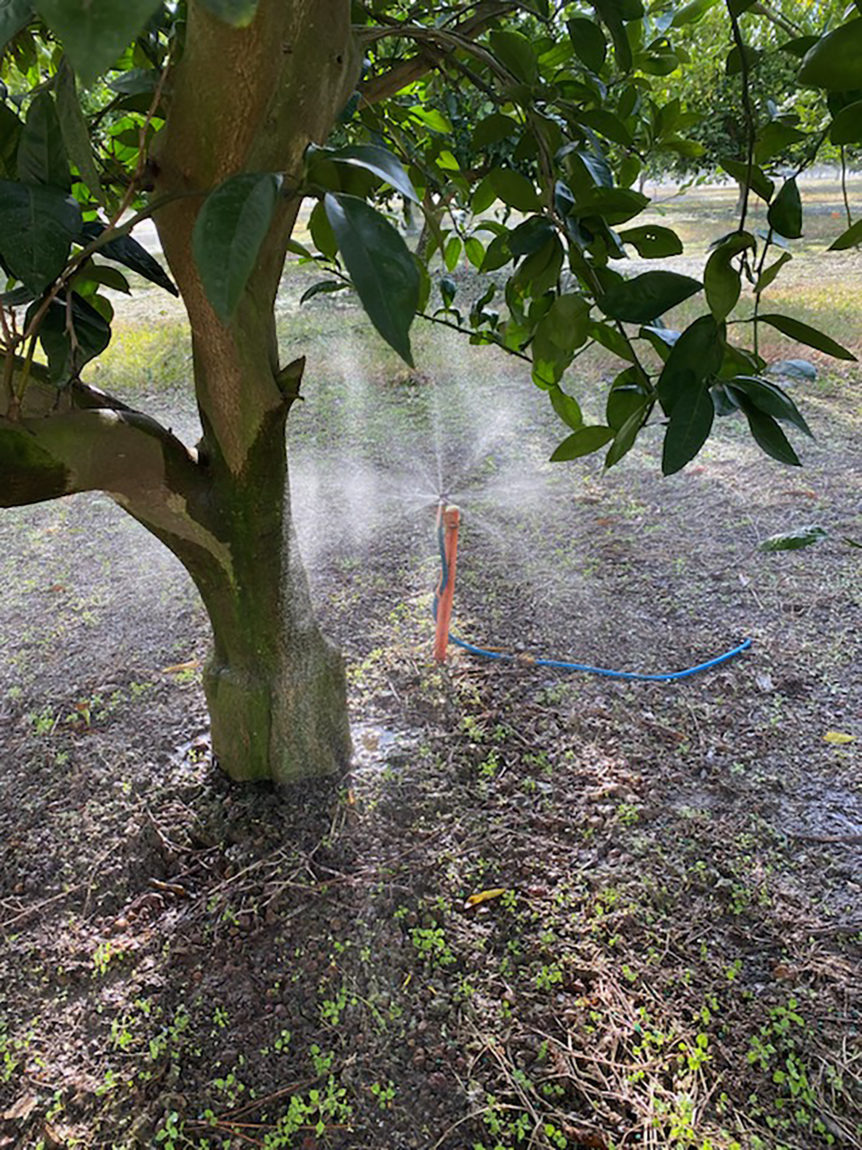
Microjet irrigation is the top method of freeze protection for citrus trees, but its effectiveness is only realized if growers perform proper maintenance of the sprinklers before a cold event occurs. Mary Sutton, University of Georgia (UGA) assistant professor and citrus Extension specialist, emphasized that fact during the Georgia-Florida Irrigation Expo on June 10. Sutton said growers should treat their …
June Drop Underway in Cold-Hardy Citrus Region
It may not be June, but growers in the cold-hardy citrus region are experiencing June drop, a natural thinning process in which trees lose a lot of their fruit. Growers should not be alarmed about excess pieces of fruit that may be on the ground, says Mary Sutton, University of Georgia (UGA) assistant professor and citrus Extension specialist. “We are …
Potential Impact of Drought on Citrus Production
The prolonged drought in the Southeast could negatively impact citrus trees if growers are not applying the right amount and frequency of irrigation. Mary Sutton, University of Georgia (UGA) assistant professor and citrus Extension specialist, shared that message following the April 2 release of the U.S. Drought Monitor map for the Southeast. The map shows exceptional drought conditions worsening and …