









By Clint Thompson Strawberry producers need to inspect their plants closely before planting this fall, says Phil Brannen, University of Georgia Cooperative Extension Fruit Disease Specialist. Many disease instances can be avoided if proper inspection is done before plants are put in the ground. “As growers are getting in their transplants, they need to be inspecting all of the transplants. …
Chlorpyrifos Impact: Peach Producers to Feel Sting of EPA Decision
By Clint Thompson The Environmental Protection Agency’s (EPA) decision to stop the use of the pesticide chlorpyrifos on all food will impact Southeast peach producers. Brett Blaauw, University of Georgia assistant professor in the Department of Entomology, discusses the significance for what the decision means moving forward. “It’s been something that’s been expected for a while. Chlorpyrifos has been on …
Georgia Governor: Fruit, Vegetable Industry Continues to Diversity
By Clint Thompson Diversification is a key to Georgia’s success, especially to its fruit and vegetable industry, believes Georgia Gov. Brian Kemp. The Georgia Fruit and Vegetable Growers Association recently celebrated its 25th anniversary where Kemp was in attendance. He spoke about the industry’s potential moving forward. “I think one of things that’s been encouraging to me, and I ran …
New Produce Safety Online Course Available
By Clint Thompson A collaborative effort between Auburn University, University of Georgia and Clemson University has led to the development of the Small Fruit Certifications online course. It was developed for Extension agents, specialists and other outreach providers who are not as familiar with produce safety, says Kristin Woods, Alabama Regional Extension agent. “More and more our agricultural agents and …
Pecan Development Lagging This Year
By Clint Thompson The pecan crop in the Southeast is a little behind in its development this year. Lenny Wells, University of Georgia Cooperative Extension pecan specialist, explains why. “It’s because of the spring that we had. We had a cold winter. Usually when you have a cold winter you have an early bud break or it doesn’t take as …
Lingering Problem: Imports’ Impact Being Felt Across Country
By Clint Thompson Imports are no longer a Southeast issue. They are quickly becoming a national issue. Unfortunately, the rising tide of imports of fresh fruits and vegetables impacting other parts of the country may be a necessary step in resolving this growing problem. “Certainly, Georgia has been in this fight with us for a long time and have done …
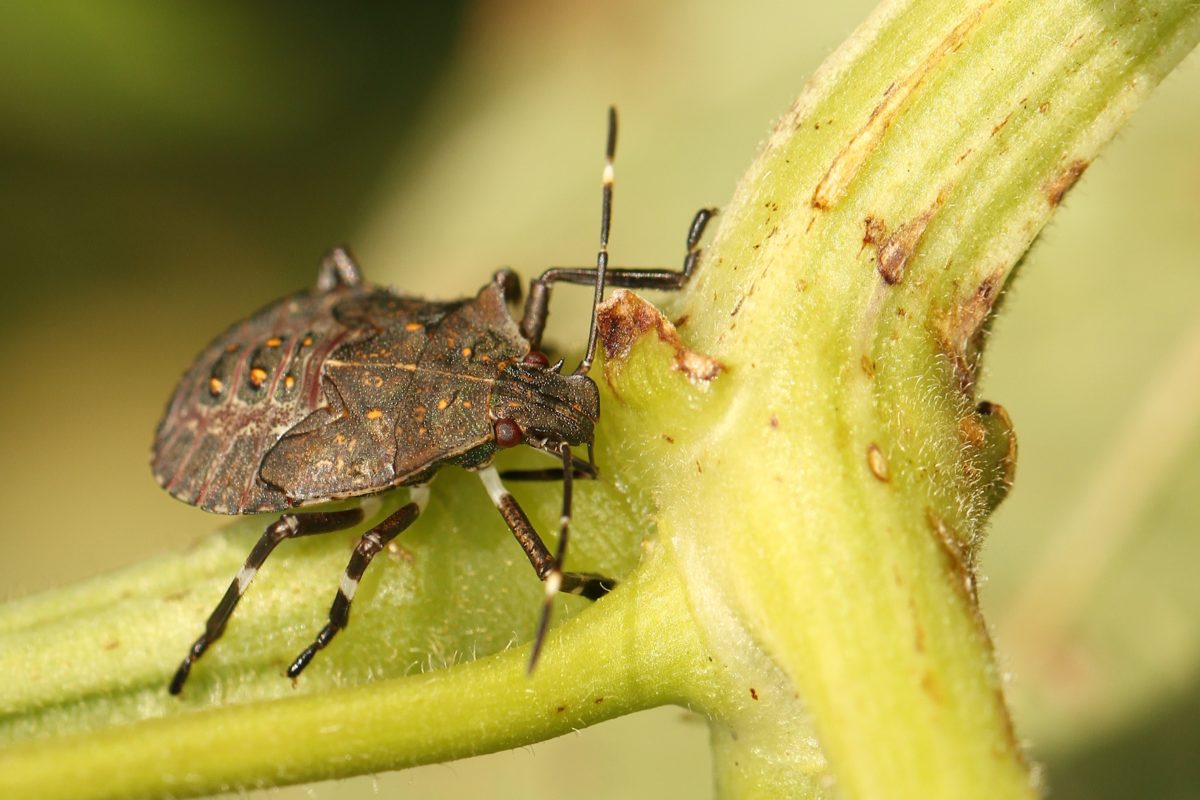
Stink Bug and Weevil Management in Pecans
Pecan producers need to start managing stink bugs and weevils in this year’s crop. This is especially important for the crop as its shell hardens. Prior to shell hardening, the pests will knock nuts off the trees or lay eggs. But after shell hardening, these pests will damage the nuts that growers won’t see until harvest, according to University of …
GFVGA Celebrates 25 Years of Impact
Georgia Gov. Brian Kemp attends organization’s celebration By Clint Thompson It is not often an organization celebrates 25 years of impact to Georgia’s No. 1 industry – agriculture. But that is exactly what is happening this year with the Georgia Fruit and Vegetable Growers Association (GFVGA). Twenty-five years after its first organizational meeting at the Rural Development Center in Tifton, …
Southeast Grape Crop Needs Dry Weather
By Clint Thompson A rainy summer in the Southeast only got wetter this week thanks to the tropical system ‘Fred.’ It could have a negative impact on the region’s grape crop, which is at the beginning of harvest, says Phil Brannen, University of Georgia Cooperative Extension Fruit Disease Specialist. According to the University of Georgia Weather Network, Gainesville, Georgia received …
Bayer’s Expanded Movento MPC Label Boosts Management Options for Whiteflies
By Clint Thompson Dry weather in the Southeast is inevitable. Those conditions could bring a resurgence of whitefly pressure, says Roy Morris, senior technical sales rep at Bayer. “When it’s wet, although your plants are lush, you start getting some fungi and things that’ll naturally occur and take out the (whitefly) populations. When it’s hot and dry, they can turn …