









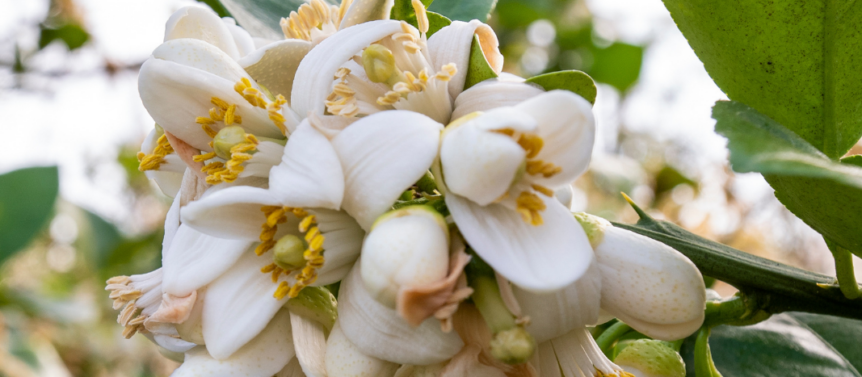
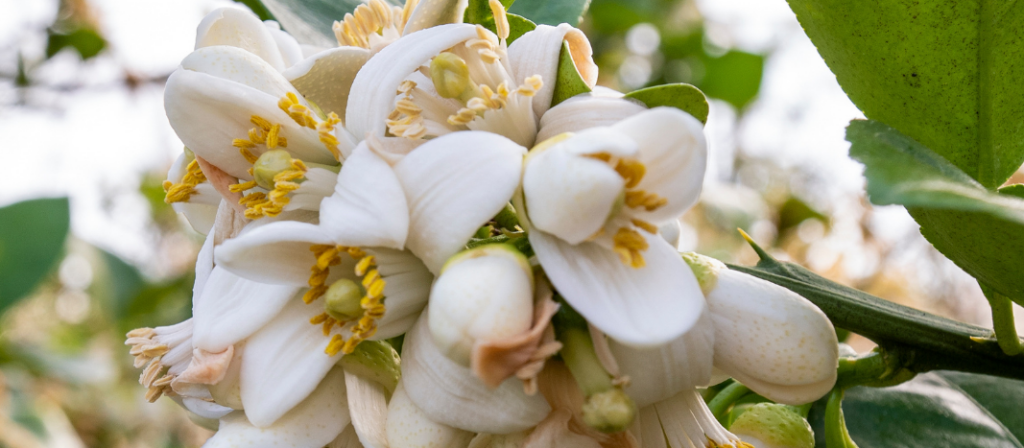
Tripti Vashisth, University of Florida Institute of Food and Agricultural Sciences (UF/IFAS) associate professor of horticultural sciences and citrus Extension specialist, was part of a question-and-answer session that the UF/IFAS Statewide Citrus Team held for growers last week prior to the weekend’s winter storm. She talked about how low temperatures and high winds could impact citrus flowering. She expressed hope that the impact would not be as bad as some growers were expecting it to be.
“Most of the flowers are going to burn off, and we’ve already seen that with what we had with lower temperatures during New Year’s,” Vashisth said. “In the case of flowers, I would say that losing these flowers is not as bad. What we’re losing, these fruit would not have been of the best quality. We were expecting an extended bloom period. This freeze event burning some of these early flowers is okay. It’s actually going to synchronize flowering.”
Vashisth said she expects bloom to occur in the first week of March. “But if there is a situation where there are not many flowers on your tree … and you feel like you don’t have enough flowers because most of them were burned and they’re not sufficient flowers, you can put out a gibberellic acid (GA) spray to help with fruit retention.”
She noted that she will be sending out advisories for when it will be a good time to apply GA and that growers should stay up to date by reading the UF/IFAS flower bud advisories.
GA is a plant growth regulator that can be used to manipulate vegetative and reproductive growth, flowering, fruit growth and development. Read Citrus Industry articles about GA use here.

By Clint Thompson