









The work of Southeastern blueberry breeders is paying off with a lot of options for growers to diversify their plantings. Here are some of the newer selections being featured by two breeding programs.
Florida Selections
The University of Florida (UF) Blueberry Breeding Program has released many cultivars over the years with desirable characteristics, pleasing consumers and helping commercial growers be more profitable and successful. While there are more selections currently in the pipeline, the following are the most recent releases by UF:
Falcon: This vigorous, very high-yielding cultivar is best adapted to the central and south-central parts of Florida, especially under evergreen management. Falcon produces early-season fruit and does not require hydrogen cyanamide. No specific disease or insect susceptibility has been observed to date. Machine-harvest suitability remains under evaluation. Berries average 2.7 grams and are very firm, with high wax bloom, a dry scar, good flavor and quality maintained for up to 49 days after harvest.
Sharper: This variety is named for pioneering UF breeder Ralph Sharpe and celebrates 50 years since the creation of this blueberry category. This vigorous, high-yielding cultivar is best adapted to evergreen production in central and south-central parts of Florida, or under tunnels in the northern part of the state, where it ripens early without requiring hydrogen cyanamide. No specific disease or insect susceptibility has been observed to date. Machine-harvest suitability remains under evaluation. Jumbo berries average 2.9 grams and combine high firmness, a small dry scar, sweetness, crisp texture, heavy wax bloom, strong flavor and distinctive aroma.
Albus: This is a vigorous, high-yielding cultivar developed for evergreen production and best adapted to Central Florida. Harvest begins early and can continue through the end of the Florida season. Firm berries weigh 1.5 to 2.3 grams (averaging 1.9 grams), and have a small, dry picking scar and heavy wax bloom, supporting good shelf life. Albus has scored highly in consumer taste panels. No disease susceptibility has been observed, although moderate chilli thrips susceptibility has been reported.
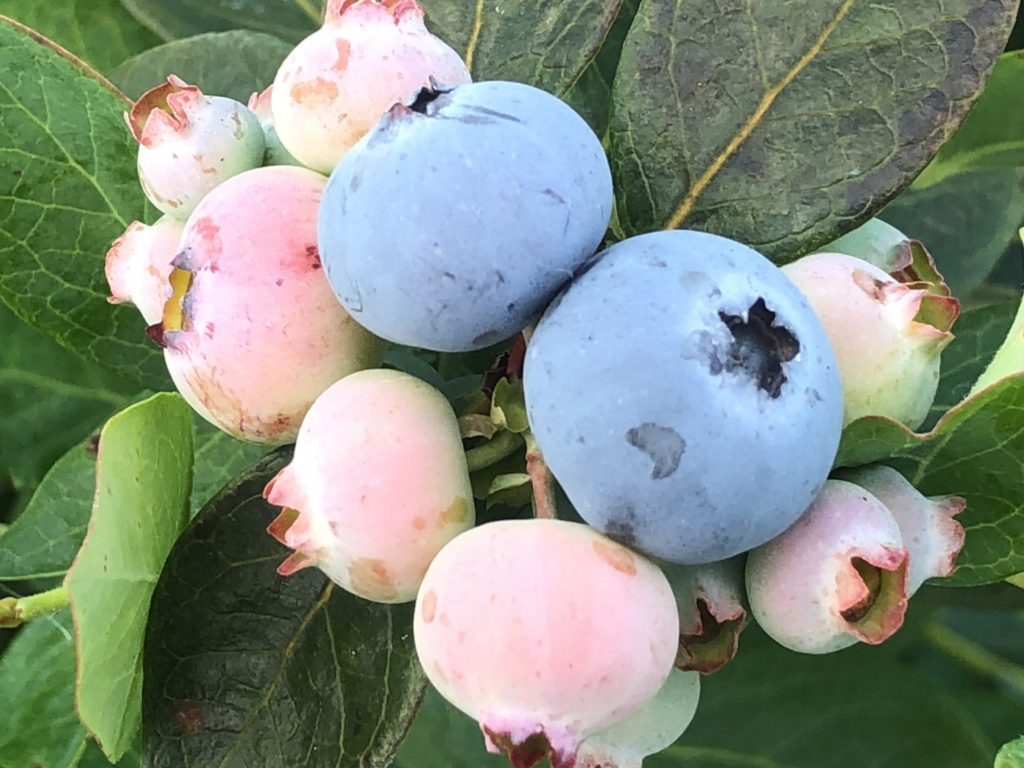
Sentinel: This vigorous, early-season, high-yielding cultivar has performed well across Florida and is suitable for machine harvesting. Hydrogen cyanamide is not required. Berries are slightly firmer than Emerald and weigh 1.9 to 3.0 grams, averaging 2.2 grams. They have a small, dry picking scar, medium wax bloom and strong consumer taste-panel scores. No disease susceptibility has been observed, although moderate chilli thrips damage may occur during summer.
Optimus: This early-maturing cultivar, with excellent machine-harvesting performance and high packout, is well suited for the fresh market. Firm, medium-sized berries weigh 1.5 to 2.1 grams, (averaging 1.7 grams), and have a small, dry picking scar and high wax bloom. Some commercial growers report better concentration of ripening using a low dose of hydrogen cyanamide. Some chilli thrips damage has been observed during the summer, as well as rust in evergreen production systems in the winter, but no reduction in yield has been observed. Optimus has been planted across all of Florida and is favored by commercial growers using mechanical harvesting.
North Carolina Selections
NC State University’s blueberry breeding program began more than 70 years ago. New variety options feature southern highbush plants with an emphasis on machine harvest, yield and quality. NC State University varieties include the following:
NC5288: This new and distinct southern highbush was bred to address the need for early-season cultivars that combine exceptional fruit quality with architecture suited to over-the-row mechanical harvest. NC5288 originated from a cross of unpatented selections NC4034 (US799 × Sierra) and NC3104 (NC1522 × O’Neal). NC5288 produces a tall, vigorous, vase-shaped bush with a narrow, condensed basal framework. The variety is best suited for fresh-market production in low-chill environments. Its early ripening, machine-harvest compatibility, large berry and excellent post-harvest quality make it a strong candidate for growers targeting the premium early-season windows in the Southeast, including Georgia, Alabama and Florida.
NC5289: This southern highbush variety is distinguished by its late bloom, consistently high mid-season yield and firm, attractive fruit with good flavor. It is an excellent candidate for fresh-market and you-pick production in mid-to-high chill environments. NC5289 produces a vigorous, upright, spreading bush. While the plant type is not as conducive to over-the-top machine harvest, this can be mitigated with proper plant training and cultural practices. The variety produces well in standard blueberry soil types as well as pine-bark amended sandy soils. The fruit are uniformly round and light blue, giving the berry a strong visual appeal at harvest and in the retail setting.
Rowan: This cultivar combines high yield, excellent fruit quality, exceptional flavor and improved harvest characteristics, including a dry stem scar and reduced stem tearing. It is well-suited for both hand and mechanical harvesting systems. Rowan is a full sibling of the patented cultivar New Hanover but differs significantly in fruit detachment characteristics and harvest performance. The development of Rowan addresses a major constraint in blueberry production systems in the southeastern United States, where increasing labor shortages and rising harvest costs have created a need for cultivars that can be efficiently harvested mechanically without compromising fruit quality. Plants are vigorous and exhibit an upright to semi-upright growth habit with a well-structured canopy and good cane renewal. The cultivar is well adapted to pine bark–amended sandy soils typical of production systems in southeastern North Carolina. In North Carolina, Rowan ripens in the early to midseason production window. It ripens at a time similar to or slightly later than Star, earlier than Legacy and approximately one week earlier than New Hanover. The berries are medium to large, round to slightly oblate, with a uniform blue color and a persistent waxy bloom. Berry size is relatively consistent within clusters. The fruit are firm and maintain integrity during handling and storage, with a balanced flavor and noticeable aroma suitable for fresh market consumption.
The blueberry breeding teams at the University of Florida and NC State University provided the information for this article.