









By Frank Giles
Many people involved in specialty crop production in the Southeast know the name Gene McAvoy. He was inducted into the Florida Agricultural Hall of Fame in 2024 for his 25-year career serving University of Florida Institute of Food and Agricultural Sciences Extension and for many other roles in agriculture. He operates an active ag consulting service today.
McAvoy’s work led him to build a sizable following on social media. That became a problem when his Facebook account was hacked earlier this year. The fallout of the hacking has been significant. Many of his friends were fooled by the hacker, who has swindled victims out of more than $30,000 to date that McAvoy is aware of.
“I became aware of the hack right away,” McAvoy says. “There was a post on my page that said my uncle had passed and that I was liquidating his estate. It listed a bunch of items with photos and asking prices. Almost immediately, acquaintances started calling me asking if they could come see the car, skid steer, etc., or that they had sent money and wanted to make arrangements to pick up the item.”
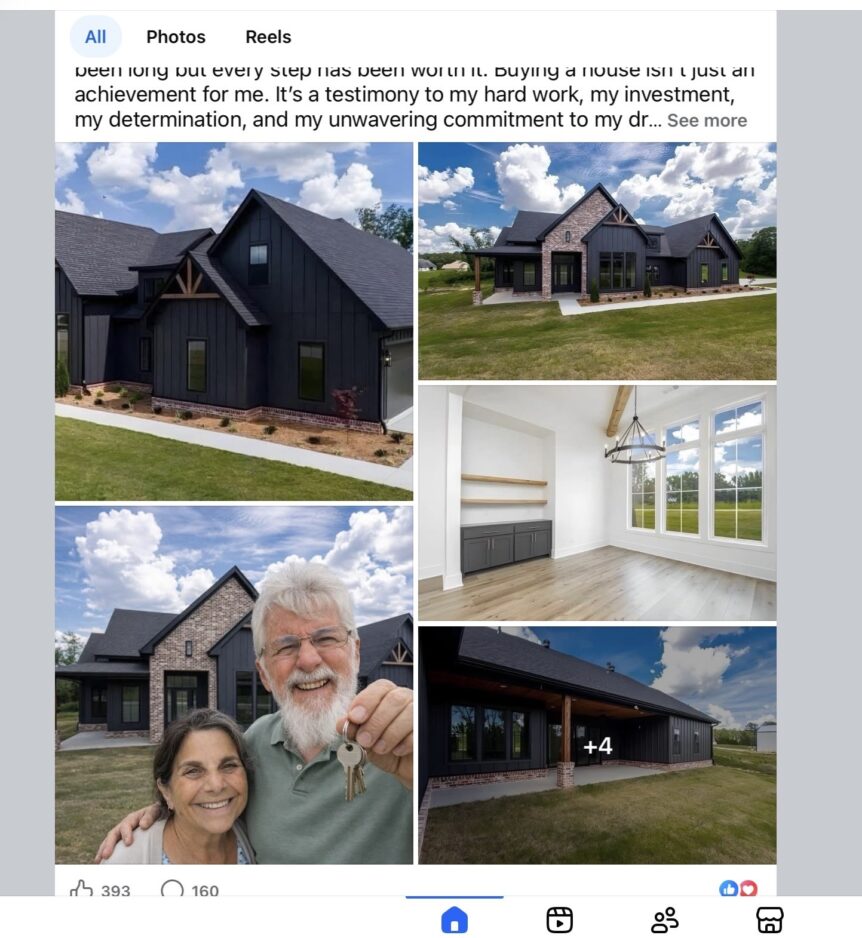
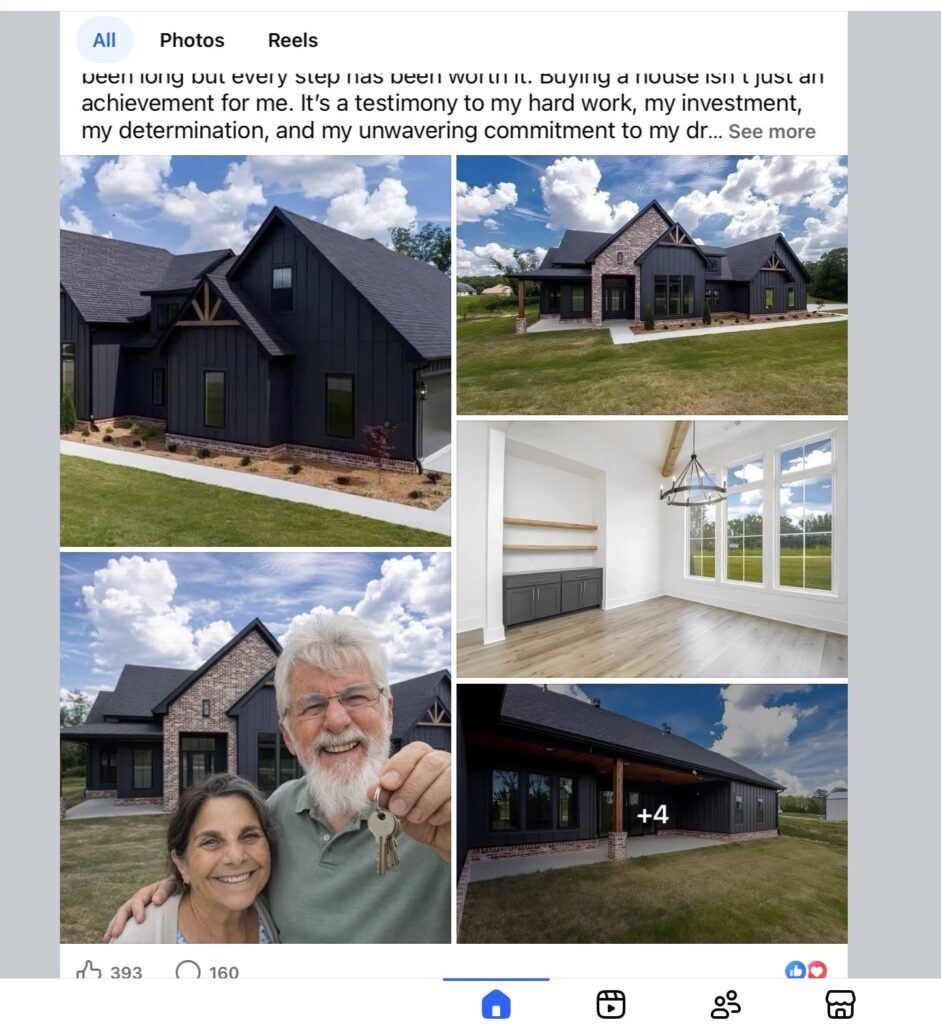
Other posts from the hacker followed, including a newfound interest in cryptocurrency. One post showed a convincing photo of McAvoy and his wife arm-in-arm in front of a new house with McAvoy holding the keys in one hand. The message credited his cryptocurrency skills in earning enough money to buy the new home.
“I am not sure how the hack happened, but the only thing I can think of is that I have been on Facebook for a long time,” McAvoy says. “And back then I pretty much had one simple password and username for almost everything online. It may have been compromised somewhere along the way.”
No Solution So Far
The hacking continues to this day. McAvoy tried to alert as many of his friends as possible through other social media outlets and other methods. He found no assistance from Meta (the parent company of Facebook) to correct the problem and help him regain access to his account.
“I quickly found out that there is no phone number or email for Meta,” he says. “You can make a report at facebook.com/hacked or by clicking on the three dots in the upper left-hand corner of your page. I did this daily for a few weeks saying that my page was hacked, and someone was pretending to be me. Every time, Facebook replied saying they saw nothing wrong.
“My wife and dozens of other friends did the same to no avail with the same response. I and many others also tried posting on my old page saying ‘don’t buy it/scam’ etc., and almost immediately we were blocked and the post deleted. I can’t even see the old page, but friends continue to send me screenshots of me dealing in crypto. Some have been messaged with solicitations. Apparently, the hacker changed my email and contact info on the page.”
McAvoy filed a criminal complaint with the Hendry County Sheriff’s Office and contacted the offices of U.S. Sen. Rick Scott and U.S. Rep. Scott Franklin.
“The sheriff is investigating but says it could take months, and if they find the culprit, they may be in a foreign country and untouchable,” he says. “Congressman Franklin’s office has also been very helpful and claims I may be able to recover the page.”
Meta was contacted for comment on this story, but no response was received.
The Fallout
“I went from over 3,700 Facebook friends to about 440 now on my new page,” McAvoy says. “I think some people are afraid to friend me as it may lead to them getting hacked. It is a real nightmare.
“I feel very bad for the people ripped off and wish I could reclaim my good name and Facebook account. I also had other pages under mine, including Hendry County Cattlemen, Hendry County 4-H, Hendry Glades Farm Bureau and the South Florida Vegetable Grower, and I have lost control and access to all of them.”
McAvoy has established a new Facebook page with a much stronger and unique password. He also recommends the use of two-factor authentication and facial recognition to gain access to accounts.