









By Frank Giles
The headlines have been full of stories in recent months about fraud in various things like daycare services and Medicaid. It shines a light on a huge problem that needs to be addressed and corrected, especially with a U.S. national debt expected to surpass $40 trillion this year.
The media attention has caused some conversations to zoom out and look at the bigger picture of government aid in all categories. This includes agricultural aid.
We should advocate for identifying and removing fraud in agriculture programs every bit as much as any other sector. But when the argument becomes “Why are we giving these farmers any money at all?” that is a problem.
I’ve observed farm programs for many years, and there are clear improvements that could be made. But at their core, these programs are an investment, not an expenditure. We are on the verge of pushing the phrase “food security is national security” to the top of Mt. Cliche, but it is true.
When farms go away, it is very difficult to bring them back. Unfortunately, agriculture is still an expensive endeavor for young people looking to start a farm without a generational family connection. Meanwhile, U.S. Department of Agriculture data suggests about 15,000 farms closed up shop last year.
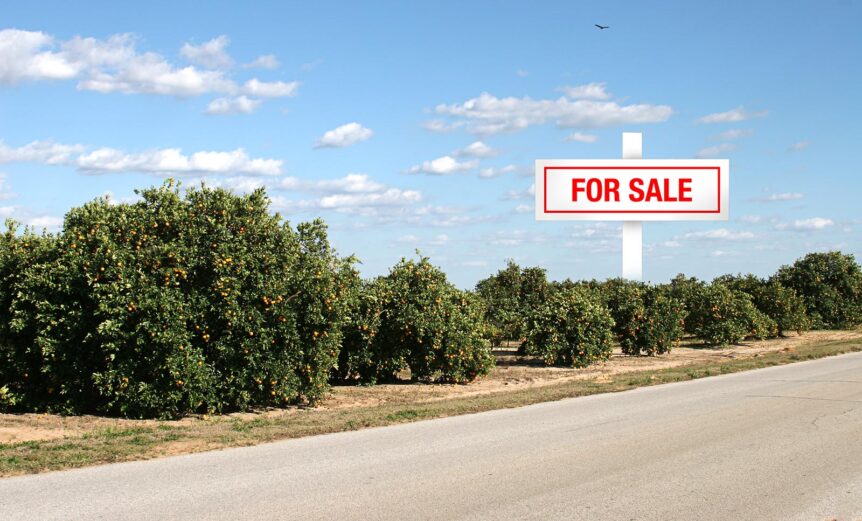
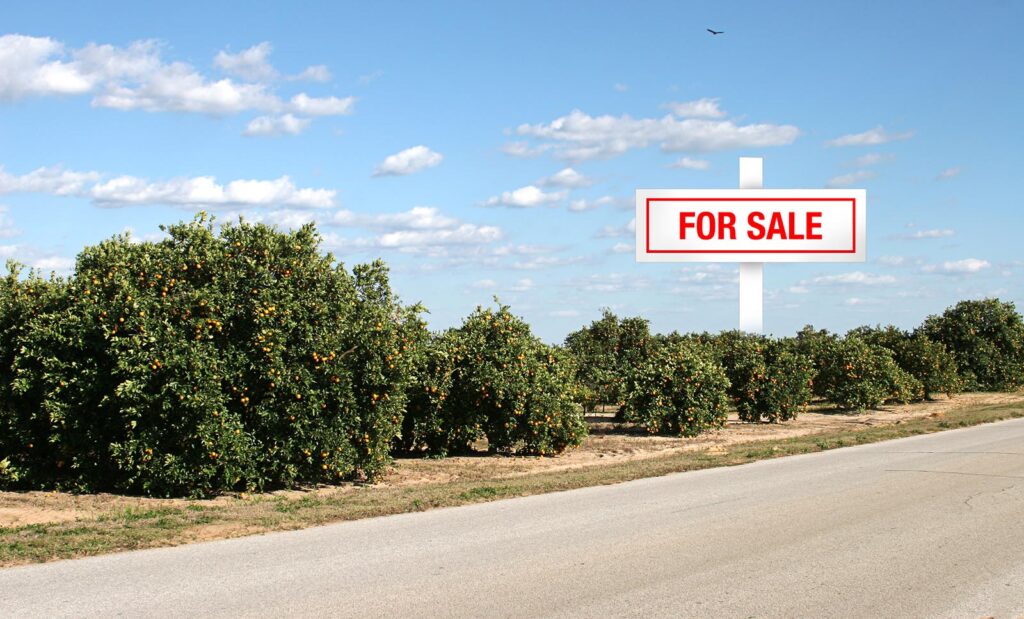
I have driven up and down rural roads in Florida covering agriculture for 20 years and can attest to the pressure that is being put on farmland for urban development, especially in the past five years. If a farm becomes rooftops and pavement, it is not coming back.
When farmers in Florida or other states make the decision to sell their land, it is a very rational decision. I can’t think of any instance where I’ve encountered other growers placing blame on a neighbor when making that hard decision. For many, exiting that generational lifestyle is among the most difficult decisions they’ve ever had to make.
That is why the “food security is national security” argument is so important. We must protect the agricultural infrastructure in the United States and figure out better ways to communicate that to gain the support of the general public.
Since 2000, U.S. vegetable production has fallen by about 39%, and fruit production by 24%. That has been driven by foreign imports flooding specialty crop markets, especially in the Southeast. These imports have come while the cost of farming has only gone higher.
That brings us back to farm aid programs and why they are essential. For some growers, it might mean the difference between hanging on or exiting the business. For example, the Citrus Research and Field Trial (CRAFT) programs, which have been generously funded by the Florida Legislature, have been a critical lifeline to that state’s signature industry.
I have had multiple conversations with citrus growers who have said CRAFT is the reason they are hanging on while the search for longer-term solutions to HLB is sought. Many groves in Florida are near areas where development is exploding, so anything we can do to secure those lands and keep them green benefits the entire state.
Many growers are doing their part to spread the word about the importance of agriculture by sharing their stories on social media. I make it a practice to follow as many of those growers as possible. Many are promoting agritourism, but there are also many that only send product to traditional retail food supply lines. Those growers are critical in getting the message out about how essential agriculture is in America, and we need more of them.