









By Clint Thompson
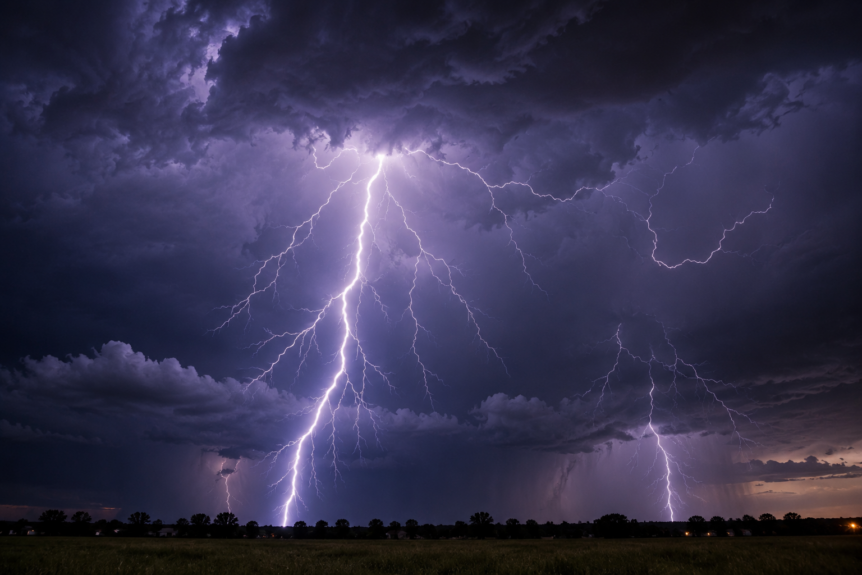
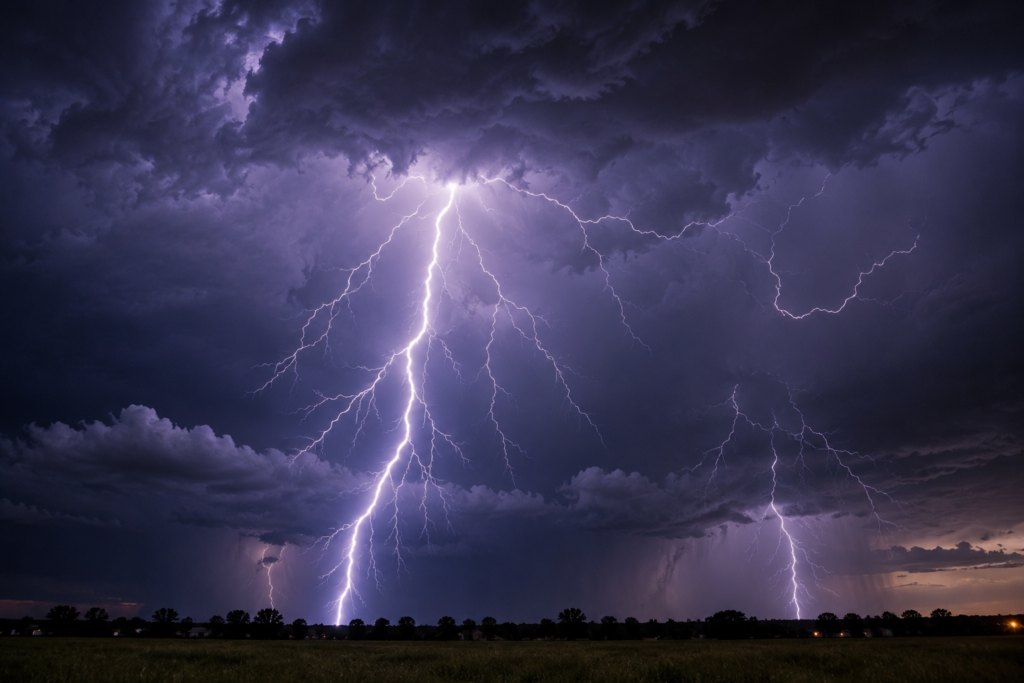
Specialty crop growers must contend with various challenges every season. Weather can be one of those obstacles this time of year, in particular, pop-up thunderstorms. Inclement weather can occur all of a sudden, which brings dangerous lightning strikes with it.
Shannon Carnevale, University of Florida Institute of Food and Agricultural Sciences Natural Resources and Conservation Extension Agent, highlighted how the farming profession is one of the most vulnerable occupations because farmers work outside and often operate with senses of urgency.

“I would say that any profession that has you outdoors as your primary source of income is going to put you more at risk because you’re going to spend as much time as you can outside,” Carnevale said. “If that’s how you’re making your profit and that’s how you’re keeping your business afloat, then being outside, it’s one of the risk factors for severe weather.”
CDC Facts
According to the U.S. Centers for Disease Control (CDC) and Prevention, there were 517 lightning-related deaths in the U.S. from 2006 to 2025. Most deaths occur during the summer, especially July.
She said one of the main misconceptions about lightning is that if the storm isn’t directly overhead, people are out of danger.
“Lightning is known to strike many miles outside of a storm. It can be in front of the storm, it can be to the side of the storm, but it does not need to be directly above you to strike you,” Carnevale said. “We generally say if you can hear it that you are close enough to be at risk. But if farmers have a lot of large, loud equipment around them, it might inhibit their ability to hear lightning. Or if they work in an area that consistently has large, loud equipment going and they might have some sort of hearing challenges anyway, lightning and thunder, that waiting to hear it might not be the safest for that particular audience group if they’ve already got that challenge.”
Farmers often operate with a sense of urgency; whether it is applying fungicides or insecticides, irrigation or harvesting their crops. They want to get their jobs done as quickly and efficiently as possible, especially if bad weather is on the horizon.
“The old adage is when it roars, go indoors. If you can hear it, you’re definitely close enough to get struck,” she added. “The risk may not be super high, but it gets higher the closer you get. And you can see lightning a lot farther away than you can hear it.”