









By Clint Thompson
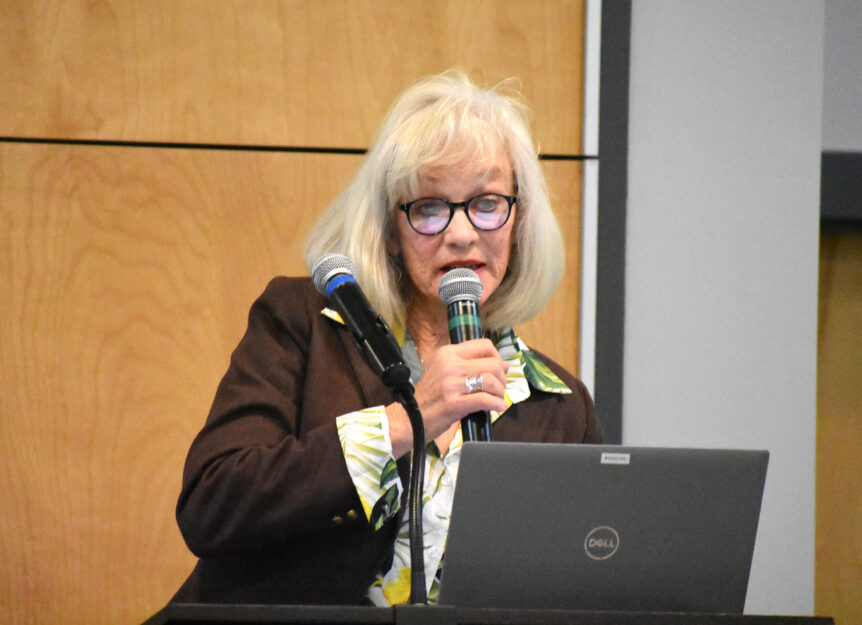
Diversification is a key to Georgia’s citrus industry finding sustained success. But producers also need to pinpoint what they can specialize in. It needs to be a couple of specific varieties, emphasizes Lindy Savelle, executive director of the Georgia Citrus Association and member of the Georgia Citrus Commission.
“We want people to diversify to have a larger window of opportunity, but we also don’t want to be that state that has 27 different varieties,” Savalle said. “We need to be known for something. What is that saying, ‘A jack of all trades and a master of none.’ We don’t want to be like that, but at the same time, we’re still in an infant in this industry. We’re growing a lot of different things to try it and see.”
Savelle and other industry leaders have emphasized the importance of diversification so growers are not putting all of their eggs in the satsuma mandarin basket. They have seen other varieties perform well in Georgia’s environment that growers can take advantage of.
“We know we can grow navels here. We’ve got some growers putting in more Cara Caras, and we’ve got some growers putting in regular navels. I think shiranui is also an option,” Savelle said. “We’ve seen a lot of tangos going in this year; a lot of marathons going in this year and very little satsumas. If someone comes to us and says I’ve been thinking about putting in satsumas, I say you might want to think about something else.”
When Georgia’s citrus industry found its initial footing, satsuma mandarins were the go-to variety because of their cold tolerance. They were easily produced in the cold-hardy citrus region of South Georgia, North Florida and South Alabama. But their lack of shelf life caused multiple growers in the region to pull trees in favor of something else.