









By Clint Thompson
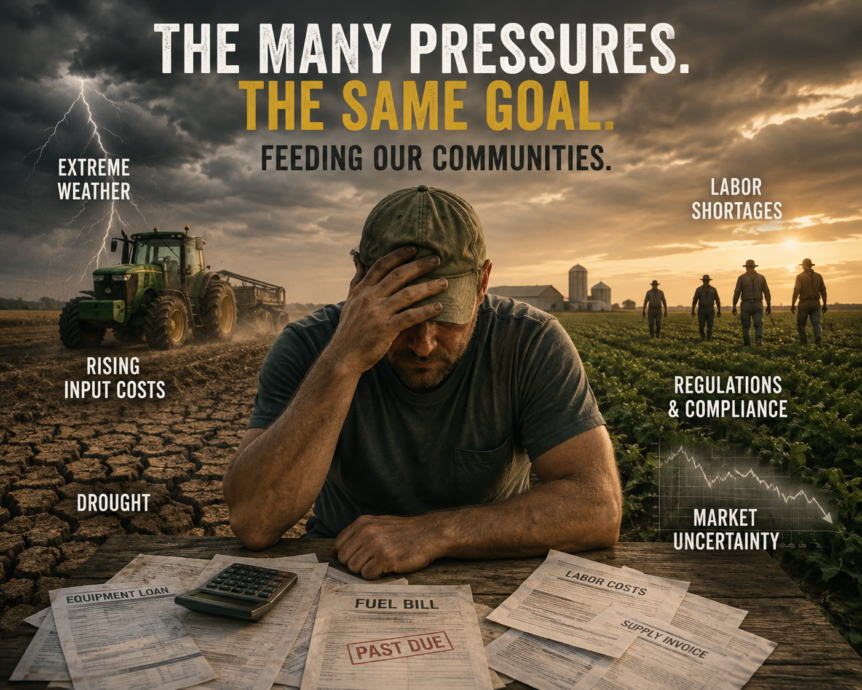
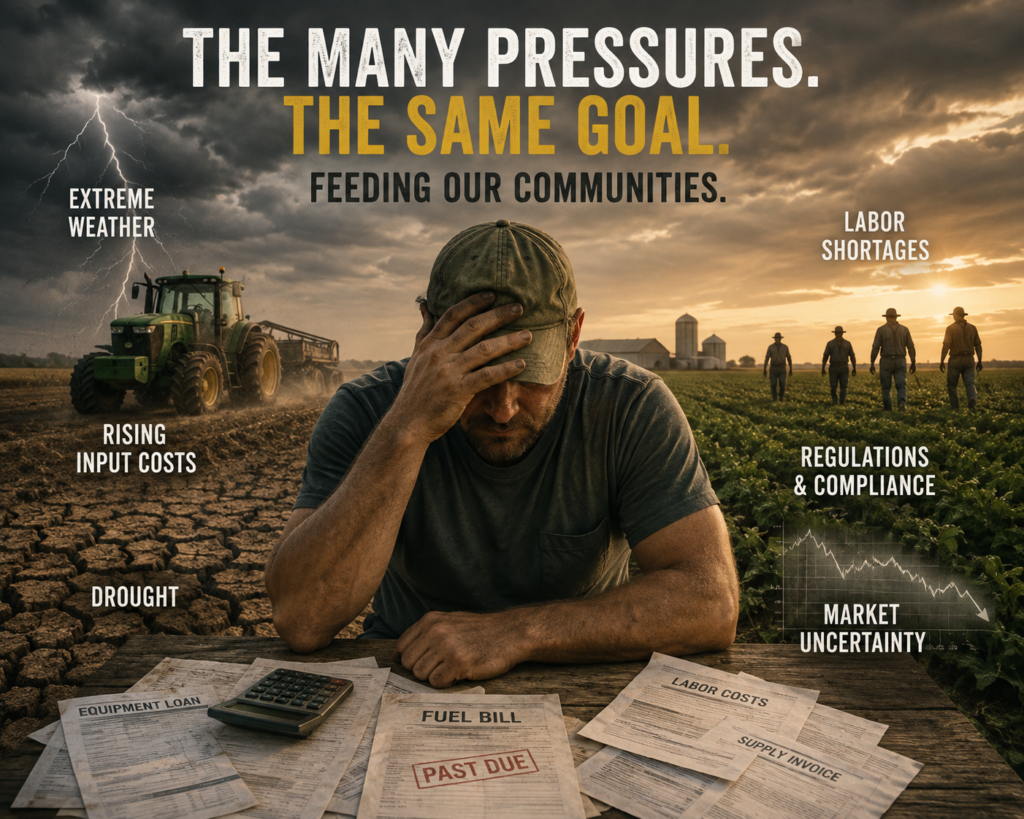
Stress is synonymous with farming these days. Increased costs have amplified those concerns for producers, whether they are in row crop production or are producing fruits and vegetables.
Diesel prices are averaging $5.35 per gallon. Fertilizer prices remain high, as are chemical costs. The spike in input expenses are worsened since market prices have not improved for farmers. It’s led to one of the most stressful times in agriculture in recent memory.
Christina Proctor, clinical associate professor at the University of Georgia, was one of the featured speakers at the Southern Peanut Growers Conference in July. She talked about the stress that growers cope with on a daily basis.

“I think it is based off of the data that’s coming out from surveys recently where we’ve seen elevated rates of anxiety and depression within the farming population. But then in particular, when you look at just questions about profitability, in particular, financial stressors are rising to the top,” Proctor said. “Just in the state of Georgia, the American Farm Bureau survey that was published a couple of months ago, 75% of our farmers said that they couldn’t afford fertilizer for the season? There are extreme impacts on their health and well-being on a day-to-day basis when they’re constantly worrying about their economic situation.”
Outside of a Farmer’s Control
Farmers are dealing with factors outside of their control. It’s not only isolated to their financial constraints. Growers must overcome adverse weather conditions that impact the Southeast every year; like the January freeze event and the prolonged drought that ended last spring. Then there’s the threat of hurricanes every season.
“And so like with the financial stressors, the environmental stressors, with labor shortages, with animal diseases, these things are all outside of the farmer’s control, which makes It really hard to feel like there’s anything that you do have control over,” Proctor said.
One thing that growers have control over is knowing how to cope with stress. Proctor encourages farmers to take small breaks away from the farm and be smart about what they consume.
“A lot of our farmers talk about the stress associated with work life balance. There are things that you can do on a day-to-day basis to take a small break that would help relieve some of that stress and then also physical health issues, right? So making sure that you’re eating well, you’re taking care of your body, physical activity,” Proctor said.
“That’s not the type where you’re laboring on the farm, but doing things that you really enjoy and you have that leisure time. Also just making sure you’re reducing poor behavioral outcomes that are associated with alcohol, smoking. Things like that, we tend to lean on those things when we’re really stressed. But those are going to negatively impact your health.”