









By Clint Thompson
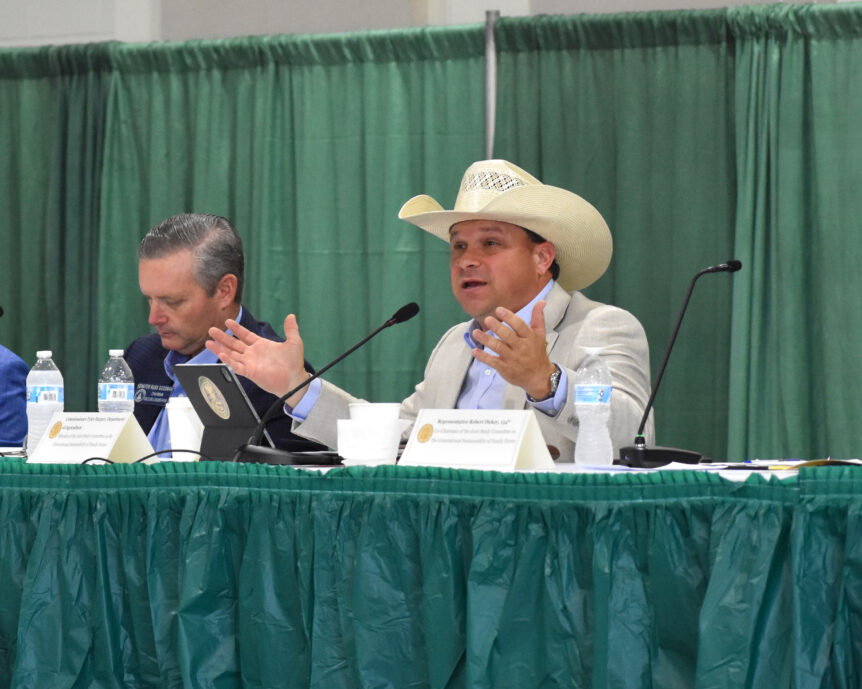
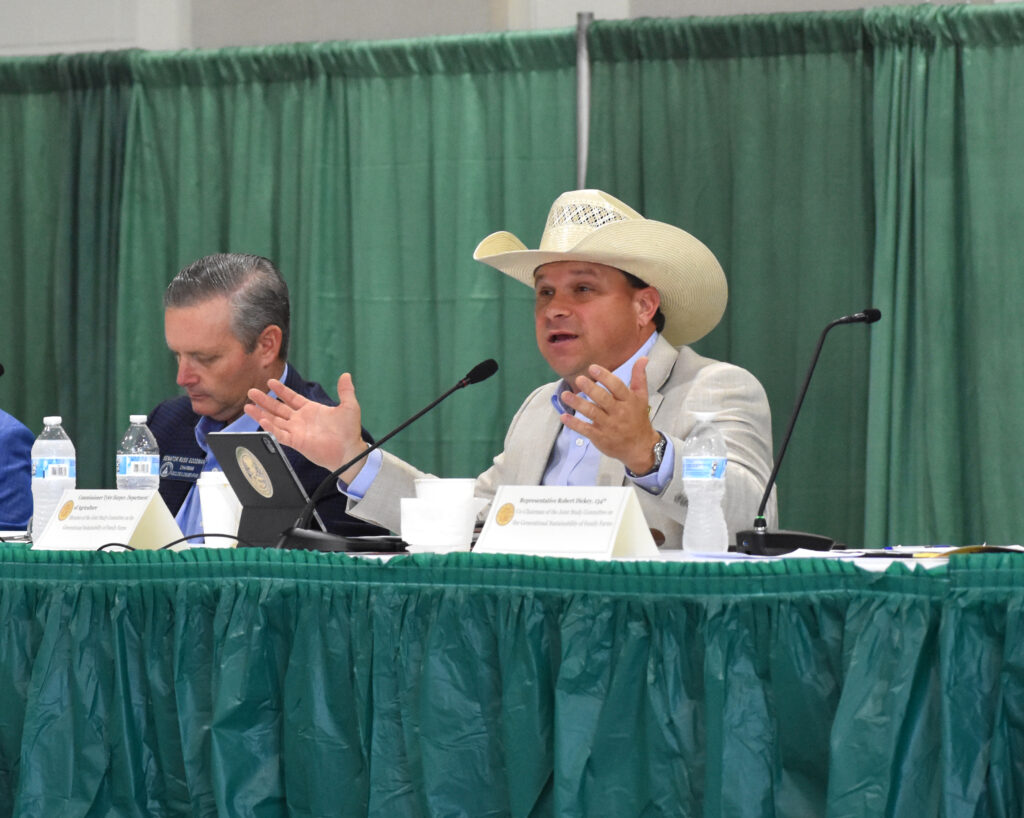
Georgia Ag Commissioner Tyler Harper is part of the Joint Study Committee on the Generational Sustainability of Family Farms, a group that met last week and discussed issues pertinent to the agricultural industry.
He talked about the Ag Issues Summit and what needs to be done to ensure sustainability is not just a dream but a reality for all of Georgia’s farmers.
Commissioner Harper
“The Ag Summit every year is just a great opportunity to bring together the ag industry, but also our legislative leaders and policy leaders, to work together to find solutions for the challenges that we’re facing in agriculture. This meeting, obviously this year, is specifically a little more important because it’s in conjunction with the study committee looking at the sustainability of farms in our state, having conversations around farm profitability and how we address that,” Harper said.
“I think this is even more important this year of how we can work together to find solutions and policy changes on the state level that we can help put in place to help ensure that our foresters, our farm families and our ranchers can continue to be successful and do what they do best; our consumers can continue to have affordable food at the grocery store and address that affordability challenge at the same time.
“It’s kind of a multifaceted conversation around addressing the sustainability and the future of agriculture and forestry in our state in a way that allows our state to continue to succeed, because for 250 years, agriculture is what has kept America and our state chugging along. That’s what will continue to allow it to succeed moving forward. We really have some difficult times right now that we’ve got to work to address. And that’s what this conversation today is about.”
Sustainability Concerns
Sustainability concerns are legitimate considering how many farms have been lost over the past century. According to University of Georgia research, there were 310,732 farms in 1920 and 39,264 in 2022, an 87% loss. Farm acres have also been reduced from 25.4 million to 9.94 million.