









By Clint Thompson
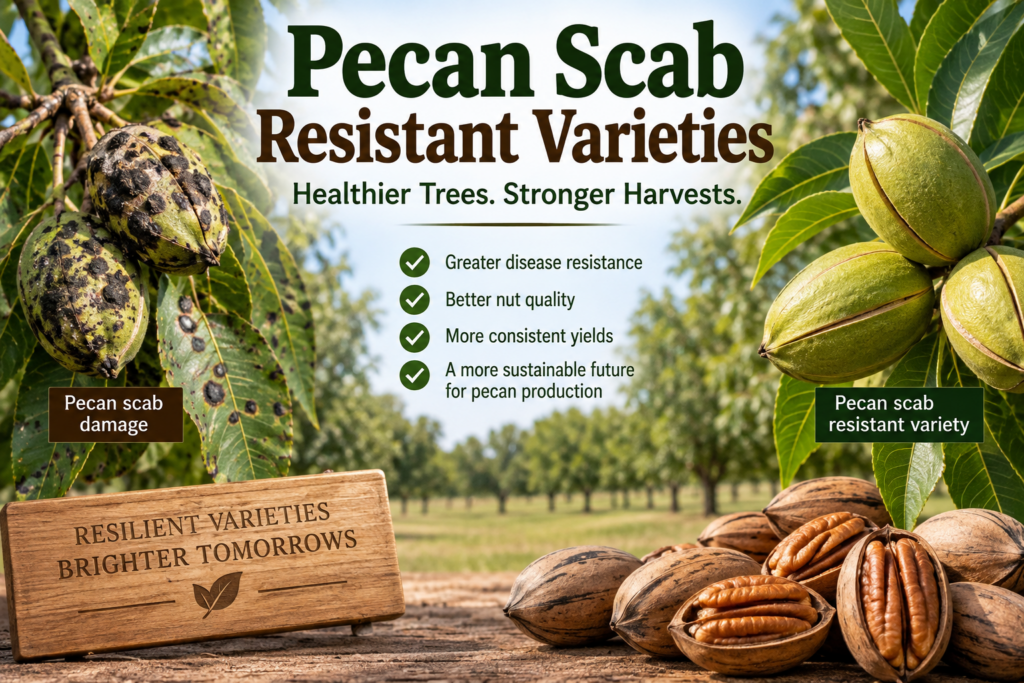
Scab resistant pecan varieties are popular among Alabama and Georgia growers these days. Varieties like Lakota, Avalon and Creek are used so producers can minimize the amount of fungicide sprays they must make during a growing season.
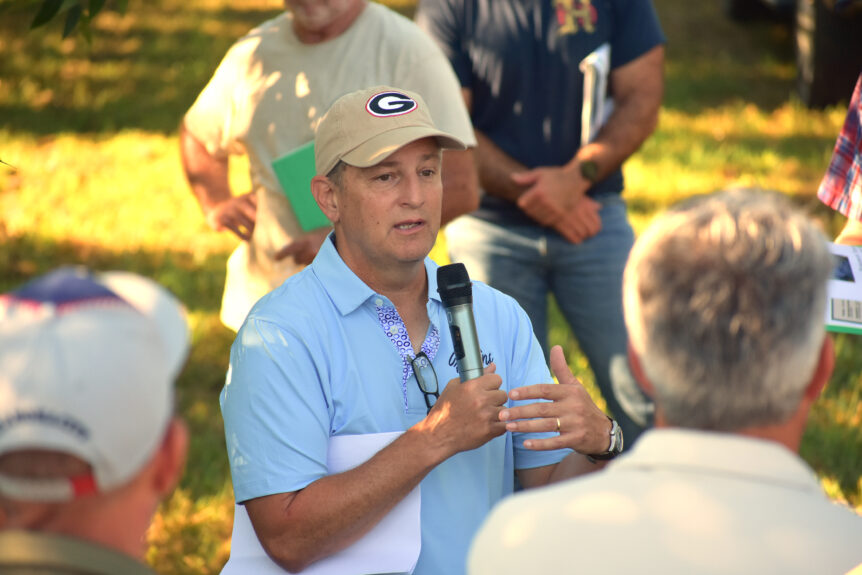
Lenny Wells, University of Georgia Extension pecan specialist, cautioned producers about overwhelming an orchard with one or more of a resistant variety.
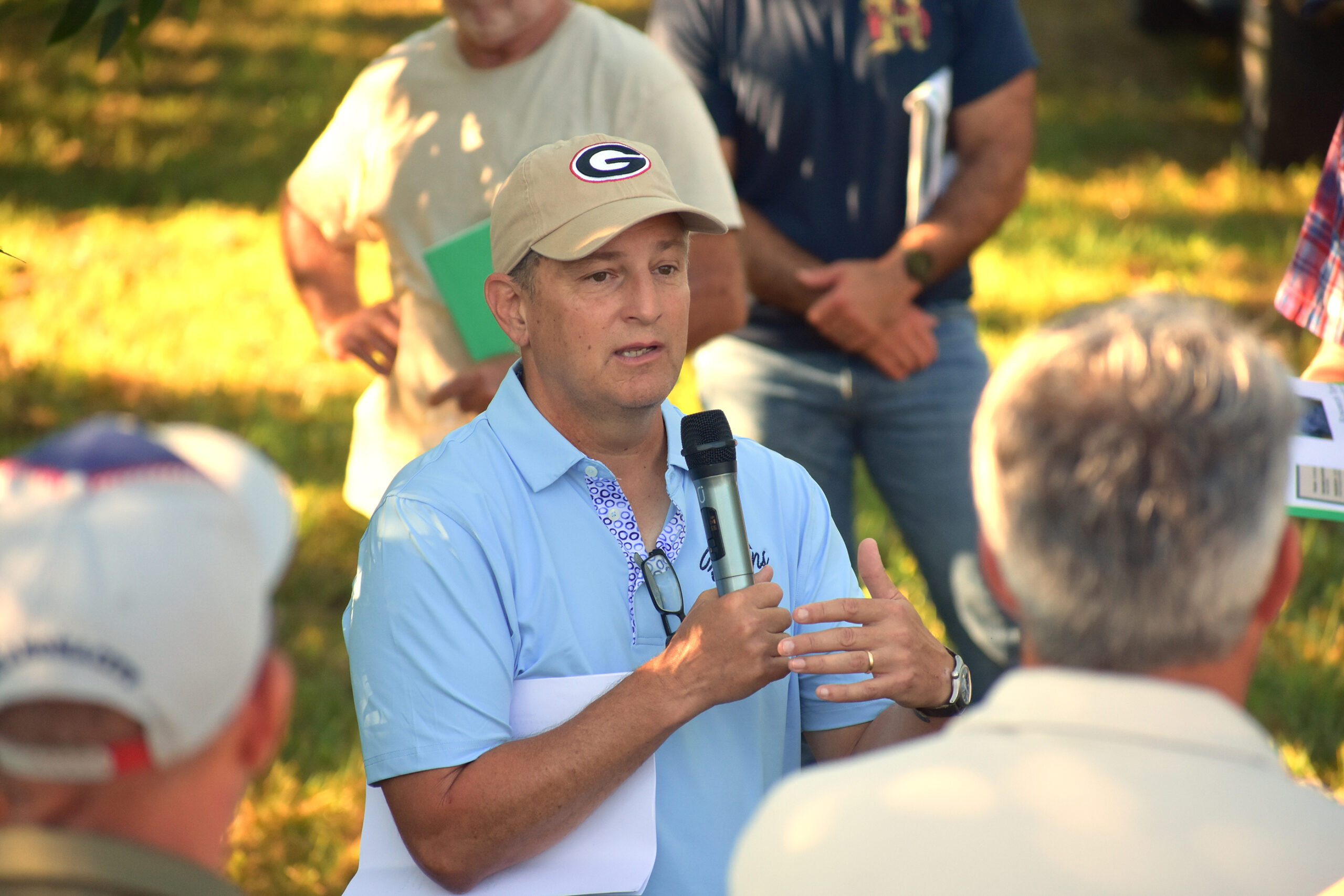
“Throughout the state, everybody and rightfully so, and we’ve been recommending it, is to plant these low input varieties, and we don’t have a lot of them. We’ve only got a handful,” Wells said. “That’s what people have been doing, but they’re doing it more than I expected them to do. Anytime you get a high concentration of any one or two varieties out there, that increases the chances of scab overcoming that resistance that it has over time. To guard against that, you may not want to plant what everybody’s planting. You may want to plant something else.”
Scab Background
Scab is a fungal disease that infects the leaves or nuts of pecan trees. If scab impacts the nut early enough in the production season, it can cause the nut to blacken and fall from the tree. It excels on trees that have received moisture. However, the disease’s impact is minimal once pecan shells start to harden.
Wells said this year’s crop looks good, though a high concentration of scab has been observed in the southwestern part of the state.
“The only issue we’ve really got on the crop is just, especially in southwest Georgia, we’re seeing a lot of scab on Pawnee and Desirable. We’re probably going to have some scab losses on those two varieties in southwest Georgia,” Wells said. “As you get over into east Georgia, I think they were a little drier over there and you don’t see as much scab over there as you do in the southwest Georgia.”