










By Clint Thompson
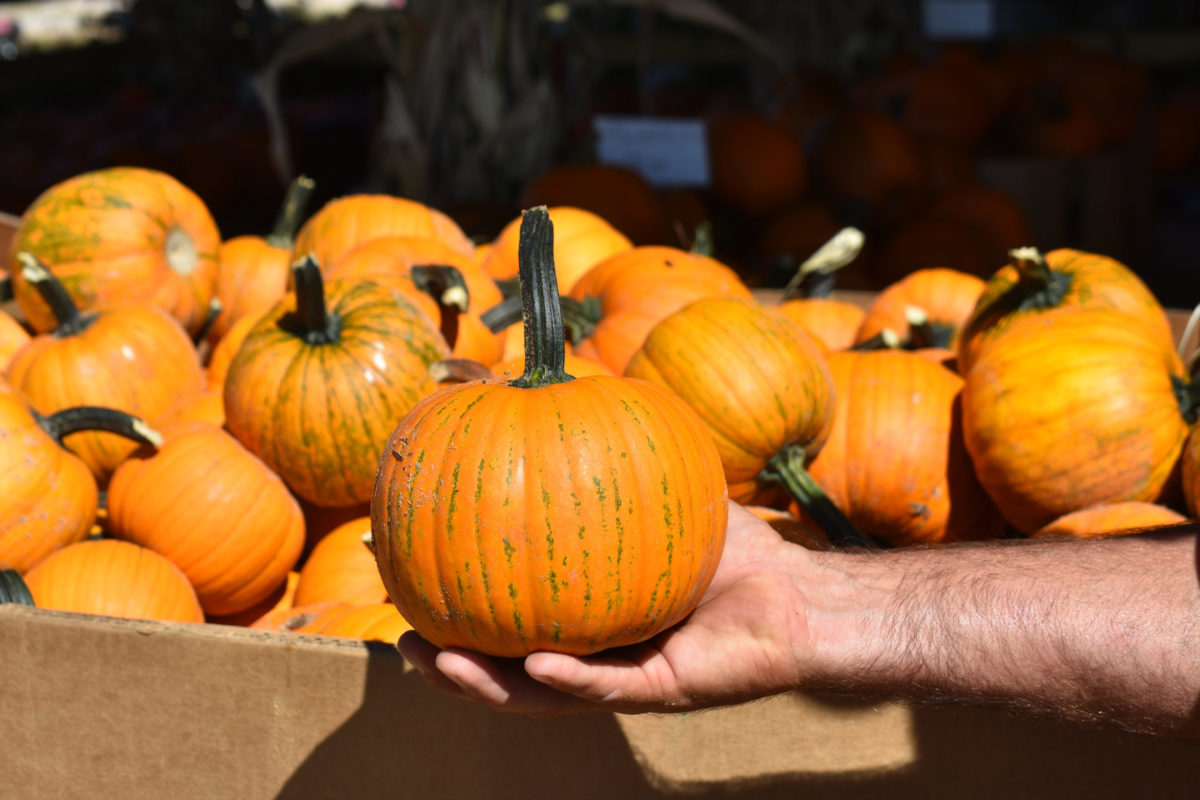
Pumpkin production season is officially under way in North Georgia. Producer Drew Echols, owner of Jaemor Farms in Alto, Georgia, has about 130 acres this year. He talked about his pumpkin crop in an interview with AgNet Media.
“Most everything’s been in the ground about two weeks, and they’re up about 10 inches tall already,” Echols said. “Right now, it’s real early in the game, you know what I’m saying? I mean, plants look good. It’s just dry and hot. We’re working, working hard on getting them irrigated and let’s go from there.”
Echols has been successful in pumpkin production in recent years despite the challenging weather conditions that come with growing pumpkins in the summer in the Southeast.
“Yeah, we’ve done well. Clearly there’s some adjusting that’s got to be done and I’m not saying we’re the best at it but we’ve kind of figured out how to do it in Georgia,” Echols said. “It’s like everything else; it is either too much rain or not enough and we’ve been able to adapt and getting a little bit bold this year and planting about 30 acres of dry land there.”
Weather Challenges
The challenges this year are the current high temperatures and prolonged dry conditions. According to the most recent release of the U.S. Drought Monitor, severe drought in North Georgia starts in Forsyth and Hall counties, expands to the northeast part of the state to Habersham and Rabun counties and to the northern halves of Murray and Whitfield counties. Abnormal drought expands as far south as Harris, Talbot, Upson, Crawford and Bibb counties.
“I mean, those things abort fruit. They don’t like this extreme heat like what we’re having right now,” Echols said. “But locally, we’re not anywhere close to setting fruit stage. We’ve got some good plant growth going right now, and then we’re probably two to three weeks away from seeing the first flowers and just kind of go from there, And right now, obviously with this dry weather, it’s bugs, bugs, bugs. And then when it does start raining, it’ll be disease pressure, disease pressure, disease pressure; kind of like all the other vegetable crops out here, you know.”