









By Clint Thompson
Stress can be synonymous with life on the farm. No matter the size of the farming operation, producers can feel the worries every day. It is magnified in the current agricultural era where inputs have skyrocketed and crop prices are not where farmers need them to be.
So how should producers counter the stress that’s bound to happen? Christina Proctor, clinical associate professor at the University of Georgia, spoke about helpful lifestyle choices that can help farmers cope with the worries of life on the farm.
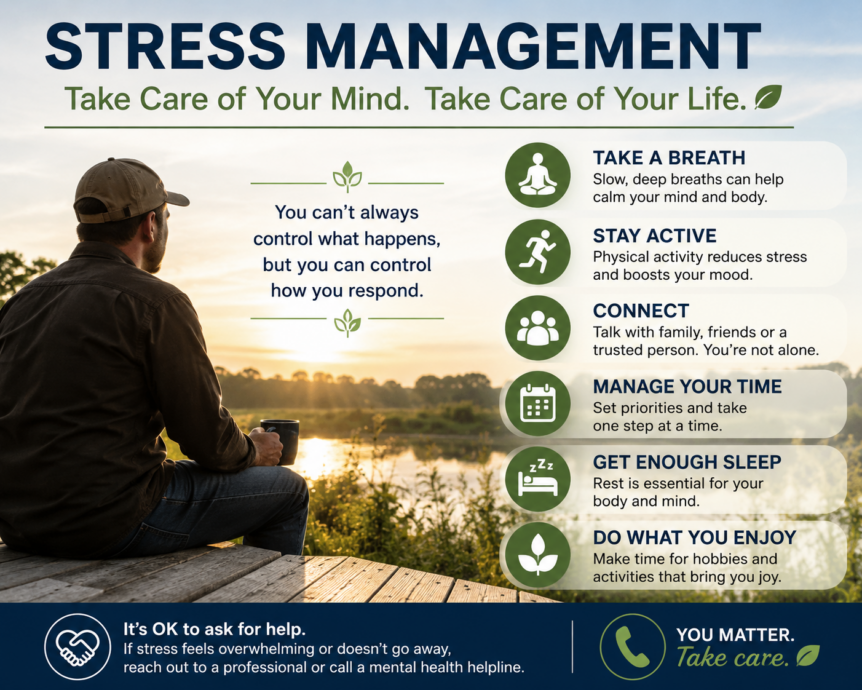
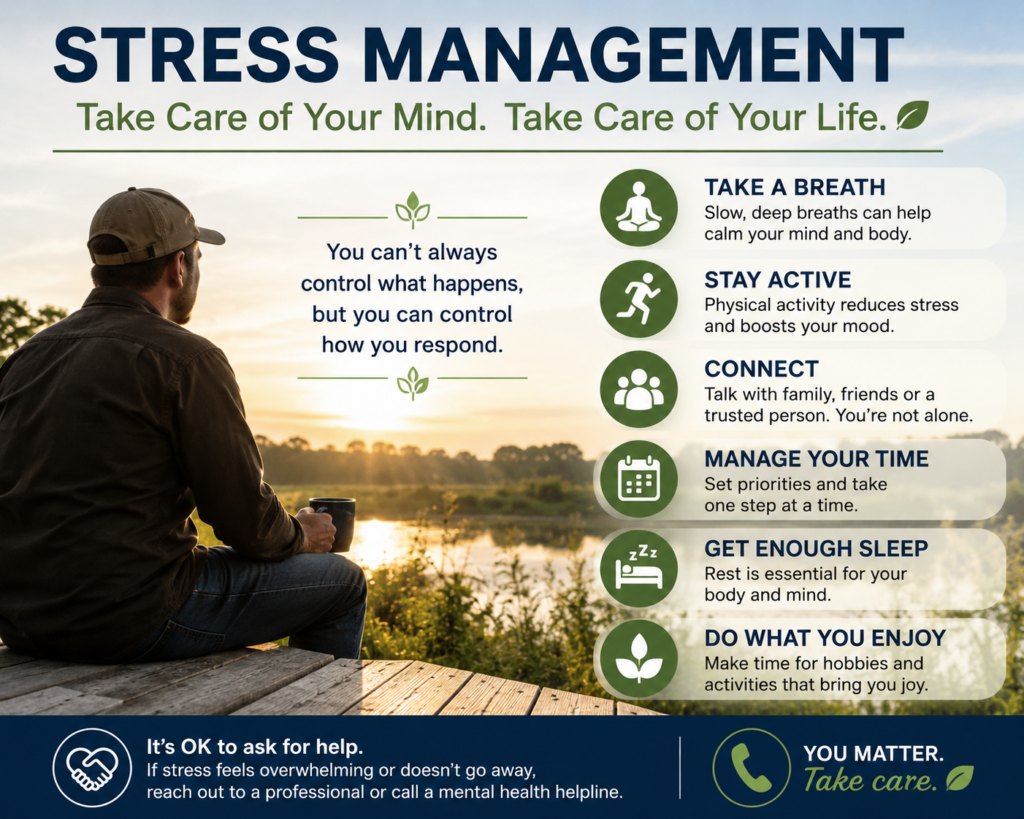
“A lot of our farmers talk about the stress associated with work life balance. There are things that you can do on a day-to-day basis to take a small break that would help relieve some of that stress and then also physical health issues,” Proctor said. “So making sure that you’re eating well, you’re taking care of your body, physical activity. It’s not the type where you’re laboring on the farm, but doing things that you really enjoy. You have that leisure time and then just making sure you’re reducing poor behavioral outcomes that are associated with alcohol, smoking; things like that where we tend to lean on when we’re really stressed. But those are going to negatively impact your health.”
Talk About Stress
Another helpful mechanism is having the platform where stress and management can be emphasized, like at the Southern Peanut Growers Conference in July where Proctor was a featured speaker.
“Yeah, I think that it’s great being here at the peanut conference and having a whole session where we get to talk about this. And this is something that we’ve seen in the state of Georgia quite a bit where we have a farm stress summit, right?” Proctor said. “We have leaders coming together to talk about this. We have farmers who come to that. I think that there’s been a big shift, especially in the last five years, where it is something that you go to a farming-related conference and you’re going to see something about mental health or stress and well-being. That’s great because that breaks down the stigma associated with talking about it openly.”