









By Clint Thompson
Fertigation remains a valuable method of applying fertilizer under plasticulture systems. Growers just need to understand how it works and how much fertilizer must be applied.
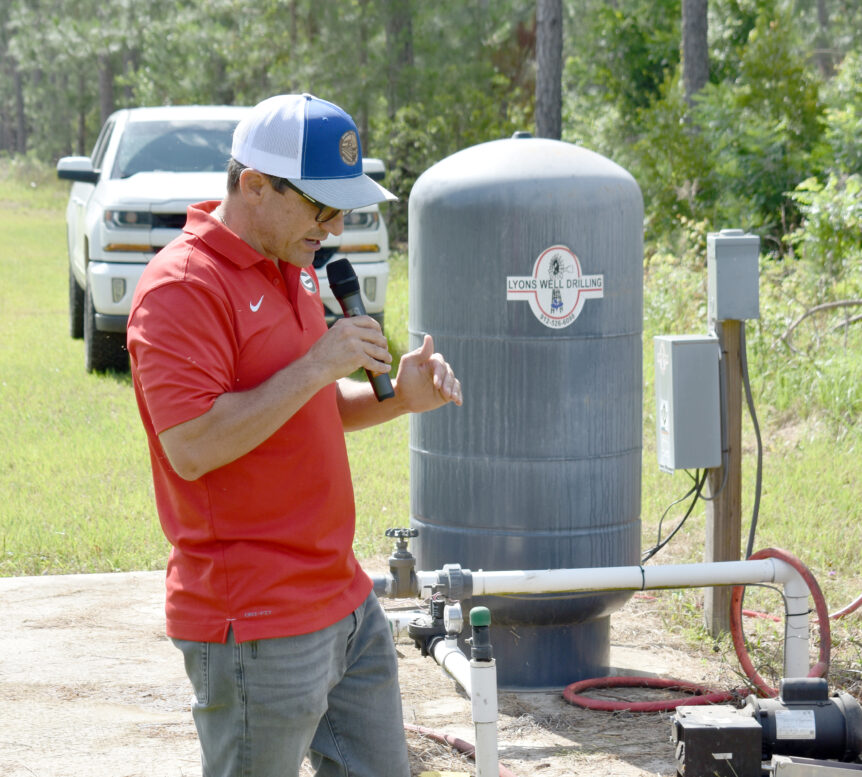
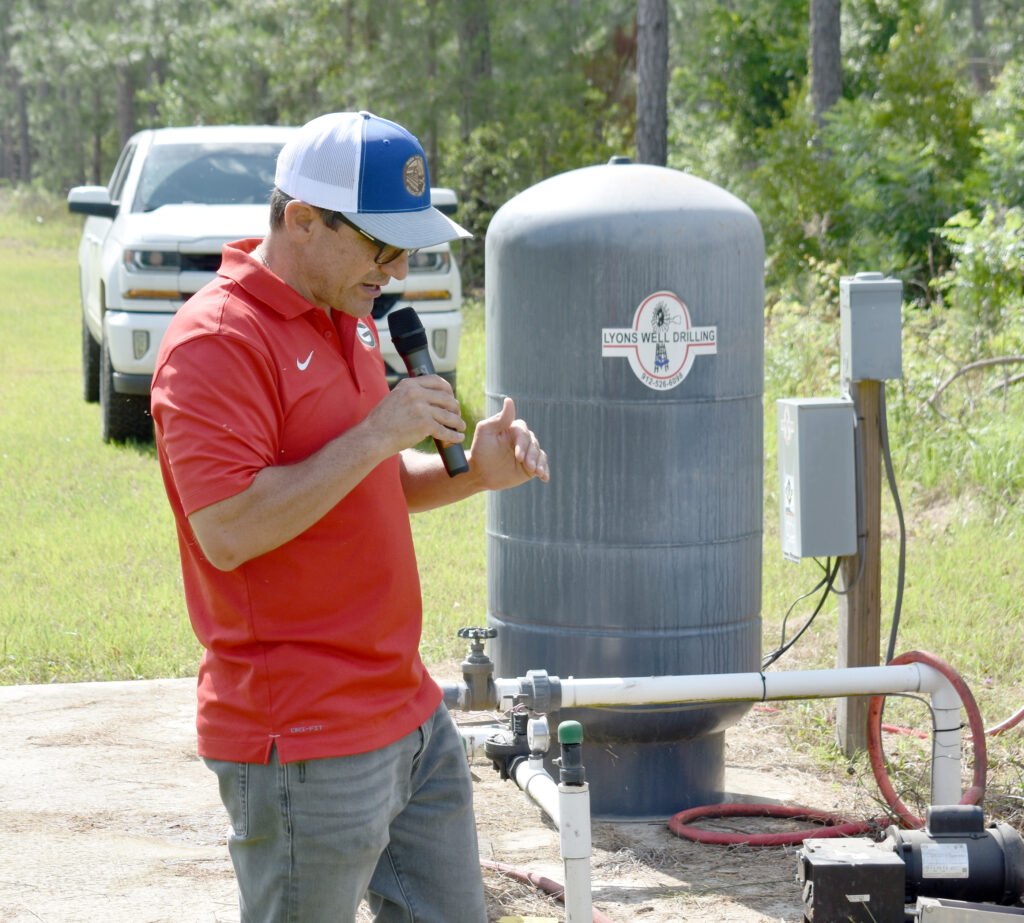
Ted McAvoy, University of Georgia Extension vegetable specialist, provided an overview of fertigation during the recent Georgia-Florida Irrigation Expo held at the University of Georgia Vidalia Onion and Vegetable Research Center in Lyons, Georgia on June 10.
“It’s a standard practice for vegetable production under plasticulture where you’re being more efficient. You’re just putting the water and the nutrients right at the root zone and you’re applying them when the plant needs them,” McAvoy said. “So based on the growth stage and also the type of fertilizer, nitrogen or particulars, it’s very soluble and it volatilizes; so if you put it all out front, not only could you burn the plant, but also, it would just disappear. It would wash away.
“Nitrogen and potassium, we’re putting through the drip system. We already have the drip system in place. We’re putting it right at the root zone, and we’re spoon feeding it, a little bit each week. Some guys go, I’d say a day to weekly, throughout the growing season to get maximized plant growth and yields and quality.”
How Much is Enough?
McAvoy said the standard rule of thumb would be to know how much nitrogen that is required for the total season. Apply a quarter to a third pre-plant and then apply the remaining through the drip irrigation. He also said growers can apply equal amounts weekly or they can apply as the growth of the crop needs.
“You’re just trying to not hurt that plant. You just want to give it a little bit of food to get it started. But then when you start getting rapid vegetative growth, vine growth, you’re increasing,” McAvoy said. “Then when you have flowering and fruit set, that’s when you’re applying your maximum amount of fertilizer. And then, you know, once you have a crop on there, you’re just giving a maintenance dose to level it off.
“In general, probably the maximum we would do is about three pounds of nitrogen per day or about 20 pounds per week through the system; just to give you an idea of how much is too much.”