









By Clint Thompson
Okra research remains a focus for scientists at the University of Georgia (UGA) College of Agricultural and Environmental Sciences; more specifically, direct seed versus transplant.
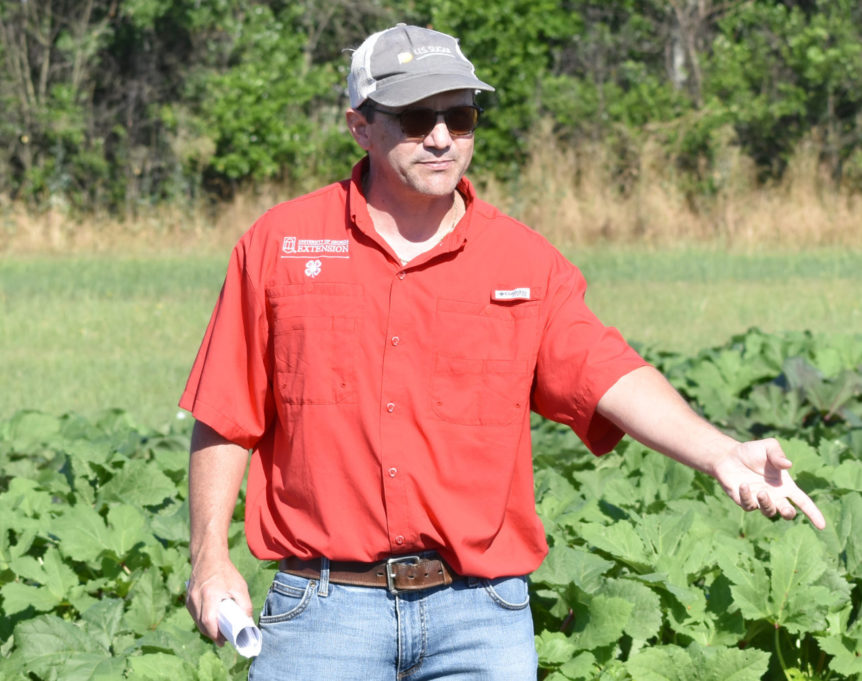
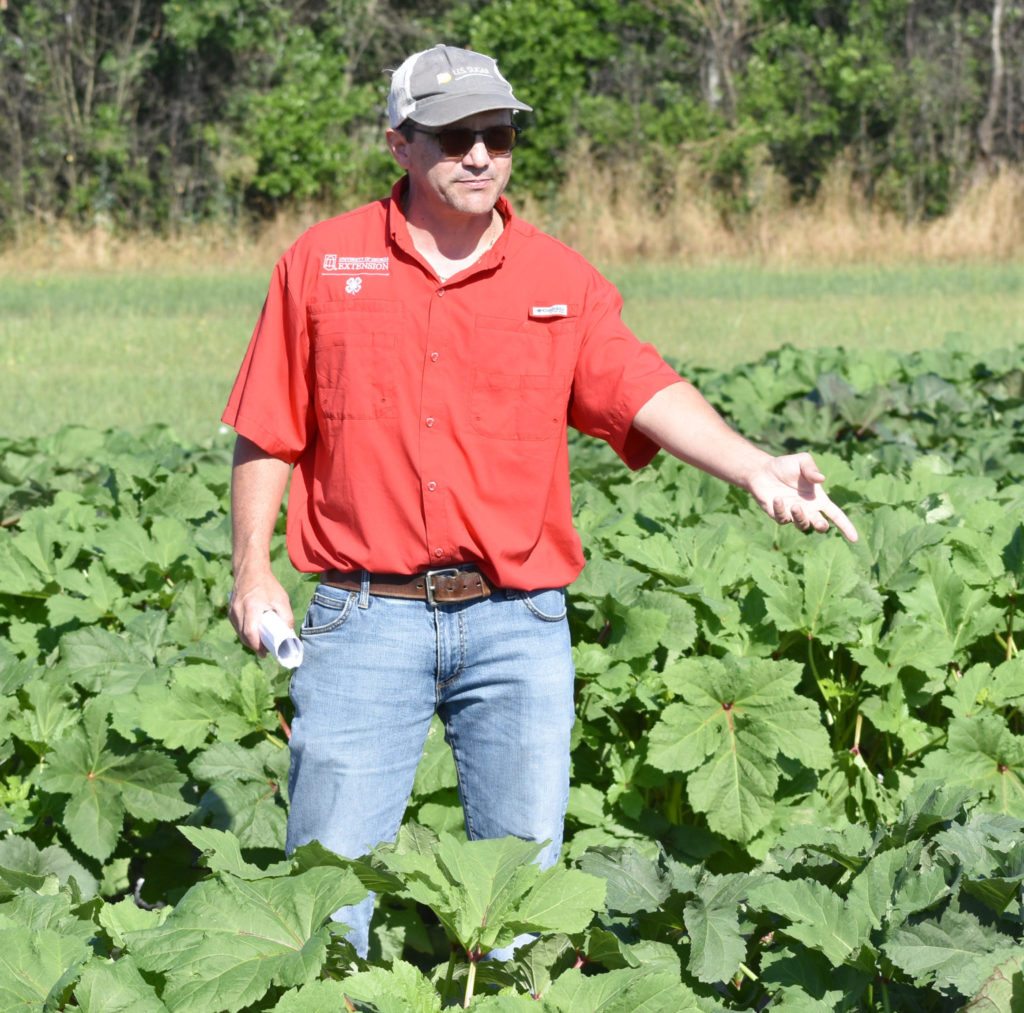
Ted McAvoy, UGA Extension vegetable specialist, highlighted the research in an interview with AgNet Media. McAvoy recommends transplanting, which provides multiple benefits for vegetable growers.
“The historic method has been direct seed, but if you’ve ever grown okra, it just grows very slow at seedling stage. It doesn’t like cold soil. Just like most of our other vegetable crops with small seed, we want to try to transplant, to plant earlier and have a bigger plant started,” McAvoy said. “We saw some of the same benefits where we had earlier first harvest by about a month because we kept them in a greenhouse for a month. You get more picks per season and higher yield overall.
“Okra is a cheaper seed. A lot of your high value small seed that is hard to plant with a machine, they always do transplants. (Okra) definitely got better stand establishment, better germ with the transplant.”
Variety research is also an important component of McAvoy’s research. He recommends Jambalaya 2.0, which is very dark and provided the most pods for the fresh market. Clemson Spineless is the historical standard. The lighter colored variety has held up well and is a spineless option for pickers.
One concern for okra producers is the cotton jassid. It is an emerging pest that feeds mostly on cotton but also on a handful of vegetable crops like okra and eggplant.
“The jassid, it’s severely susceptible to hopper burn causing yellowing, browning and defoliation of the plant. We did our trial in the spring and up until July we didn’t have any jassids,” McAvoy said. “If the jassid continues to be a fall problem, perhaps starting early in the spring with transplants might be the answer to jassid.”