









By Clint Thompson
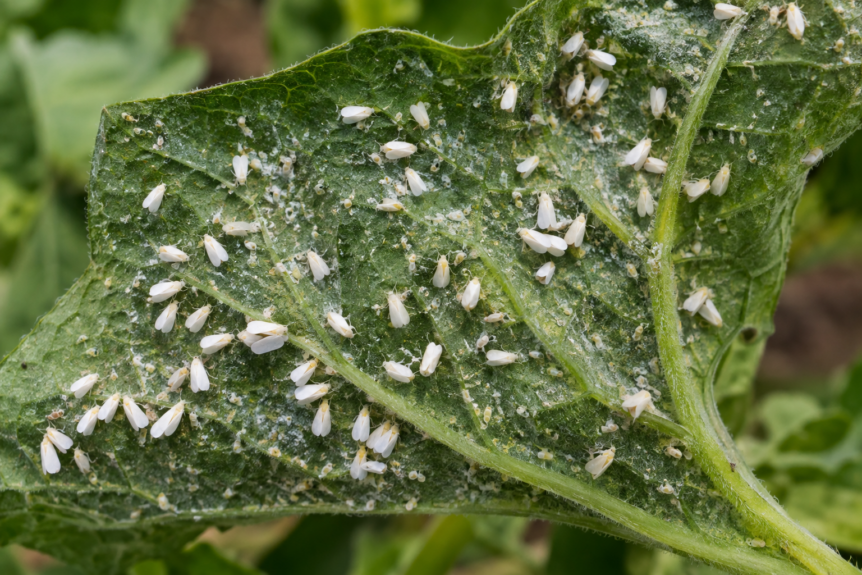
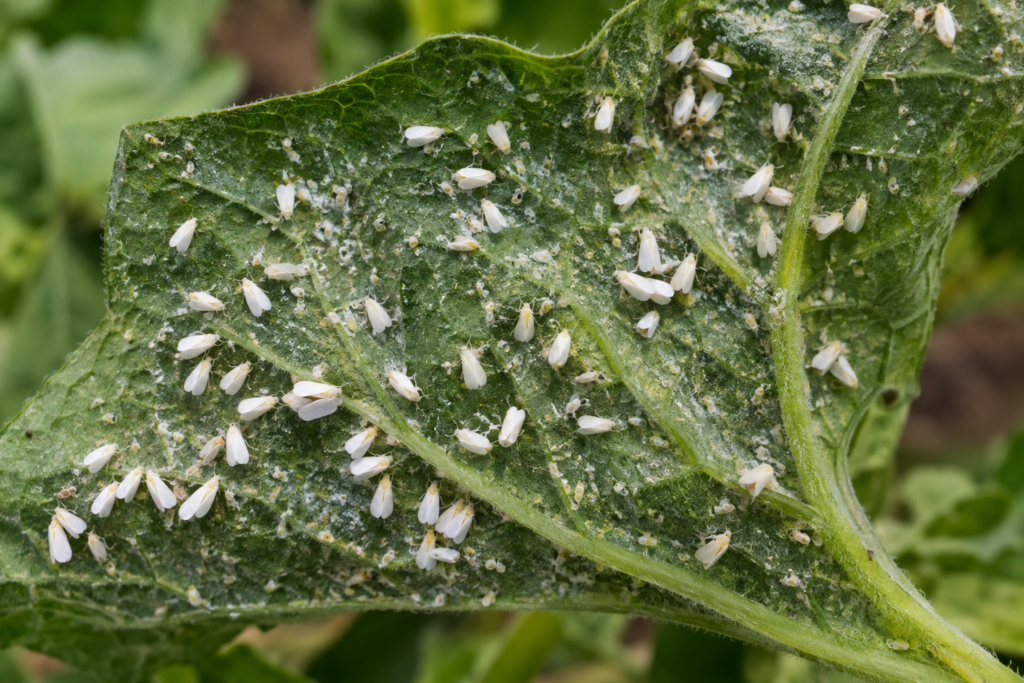
Whitefly infestations have been high this year in South Georgia. It’s the worst the region has experienced in nearly a decade, according to Stormy Sparks, University of Georgia Cooperative Extension vegetable entomologist. The high populations are impacting the vegetable and cotton crops this fall.

“It’s worse than it’s been in a long time,” Sparks said. “They just got an early start. I really need to go back and look at the weather situation, but we had some hot, dry weather, and they just got an early start in cotton, and the weather was favorable for them. You throw in an extra generation, and we haven’t had a tropical system.
“We’ve had some rains, but we haven’t had rain everywhere all at once. And that’s what really impacts the populations.”
Sparks said whiteflies were observed in June. Significant populations are not normally found until July or later.
“The indications have been there for a while,” Sparks said. “We’re not anything like we were in ’17, but this is probably the worst we’ve had it since ’17. Most of the cucurbits is what they really love. I mean, they’re in everything. They’re in tomatoes and peppers. Peppers have become more of a problem in the last few years than they were in the past because they’ve shifted a little bit. (Whiteflies) used to not really reproduce very well on pepper, but we get some significant populations in pepper now. But the biggest one is the cucurbits and then also tomato, if you get the viruses involved. And that’s the other thing, we’ve had a lot of virus this fall.”
Whitefly infestations are significant because of their potential impact throughout the year. They typically migrate from winter vegetables to spring vegetables to agronomic crops, like cotton, to fall vegetables and back to winter vegetables. The buildup of whiteflies is concerning since their feeding injuries in vegetables can lead to virus transmission, including cucurbit leaf crumple virus, cucurbit yellow stunting disorder virus, cucurbit chlorotic yellow virus, squash vein yellowing virus and tomato yellow leaf curl virus.