









By Clint Thompson
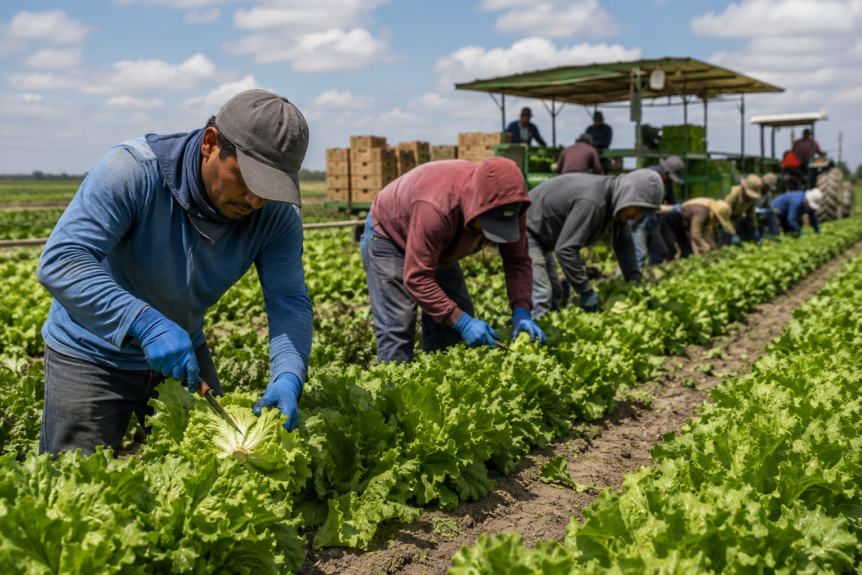
A domestic workforce for specialty crop producers is all but nonexistent. It is why growers, specialty crop organizations and industry specialists support reform to the current H-2A system. Reform is needed to ensure farmers have a reliable workforce for years to come.
John Hollay, president and CEO of the National Council of Agricultural Employers praised U.S. Representative GT Thompson and his labor bill, the Securing Agriculture’s Workforce Act. Reform would help alleviate concerns that growers have about fielding a workforce amid low interest from U.S. workers.
“I think the Farm Bureau did a good job of getting those numbers in front of people; 182 domestic applicants for over 415,000 jobs last year. Americans are not willing to do this work,” Hollay said. “We can’t tell our farmers, you have no options, because what we’ve seen is that they have to turn to illegal workers. And that’s not a viable solution for the industry. It’s not a viable solution for the consumer. And it’s not a viable solution for our national security.
“This legislation says, let’s make sure that we meet the market test. So, if there are a few Americans out there, they will have their shot. But if they’re not, we’re going to build agriculture a labor system that meets the needs of today and tomorrow.”
Program Background
The H-2A program allows U.S. employers or U.S. agents who meet specific regulatory requirements to bring foreign nationals to the United States to fill temporary agricultural jobs. According to American Farm Bureau, more than 400,000 H-2A positions were requested in FY 2025. Almost half of the certifications occurred in just five states, including Florida, Georgia and North Carolina.
If the legislation is passed, it would mark the first reform in 40 years.
“We’re still trying to pass a farm bill, right? It’s been eight years since the last full farm bill. And we always talk about it because agriculture needs the modern farm bill to meet the needs of today and tomorrow,” Hollay said. “We’ve now passed, I think it’s seven or eight farm bills, since we last passed labor reform in 1986. Yet we’ve let the labor needs lag for 40 years. We think this bill has what it needs for labor solutions.”