









By Clint Thompson
Specialty crop growers using the H-2A program for a reliable labor force, must now put July 1 on their calendars as an important date for their farming operations.
As opposed to Jan. 1 when the adverse effect wage rate (AEWR) could spike under the old Farm Labor Survey (FLS), AEWR changes could now happen mid-season under the Occupational Employment and Wage Statistics (OEWS) survey. Its rate changes happen on July 1, which is a significant development for fruit and vegetable farmers in the middle of production season.
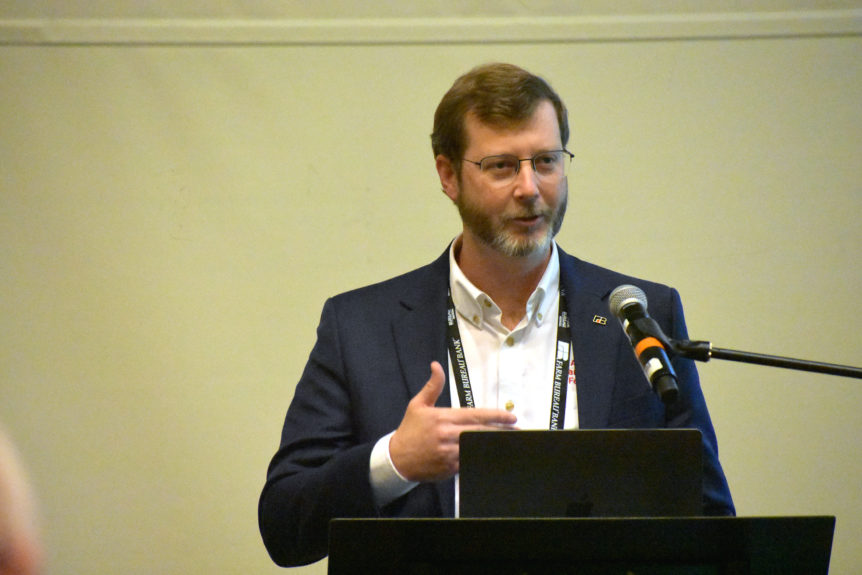
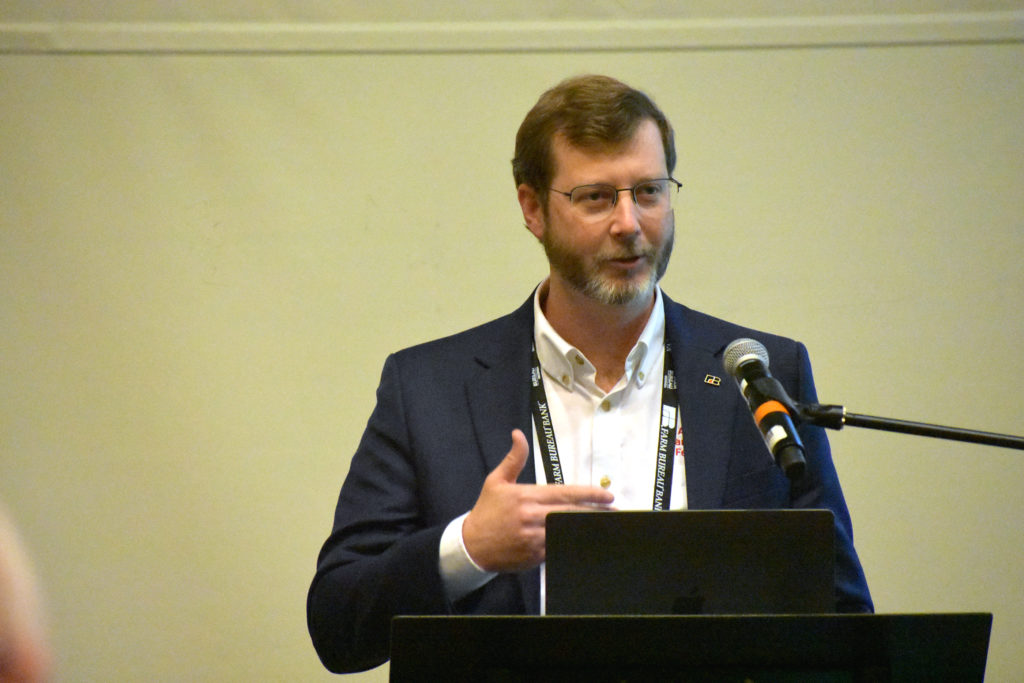
John Walt Boatright, director of government affairs for American Farm Bureau Federation (AFBF), talked about the change at this year’s Georgia Farm Bureau meeting in early December.
New Date for Growers
“The contracts as a whole have to be shifted but July 1 will be when the wage updates will take effect under this new data set. Because they’ve shifted to a new data set, those OEWS wage rates are typically updated annually every July 1 as opposed to the Farm Labor Survey under the previous regulation, which updated every Jan. 1,” Boatright said. “As a result, based on your growing season, based on when your workers are here, people need to plan and prepare for that potential wage rate change in the middle of their contracts if their contracts overlap with July 1.
“We’re expecting many more farmers and ranchers across the country to be affected by these changes as opposed to a Jan. 1 change.”
The discontinuation of the FLS was viewed as a win by the specialty crop industry, as AEWR expenses dramatically increased over the last three years. There is a sense of the unknown pertaining to the OEWS survey and how it will affect growers mid-season.
“We’re encouraging them just to be aware of it and not be surprised by the fact that, I thought the change happened Jan. 1 and it was really July 1. It’s because of the data set and this is going to be our first foray into this, under this new regulation,” Boatright said. “We don’t quite know what to expect in terms of how much the wage rate will change. But we do anticipate, based on historical trends, that there’s no real consistency in how it changes. That’s something we’re going to be monitoring, looking very closely on the AFBF team.”