









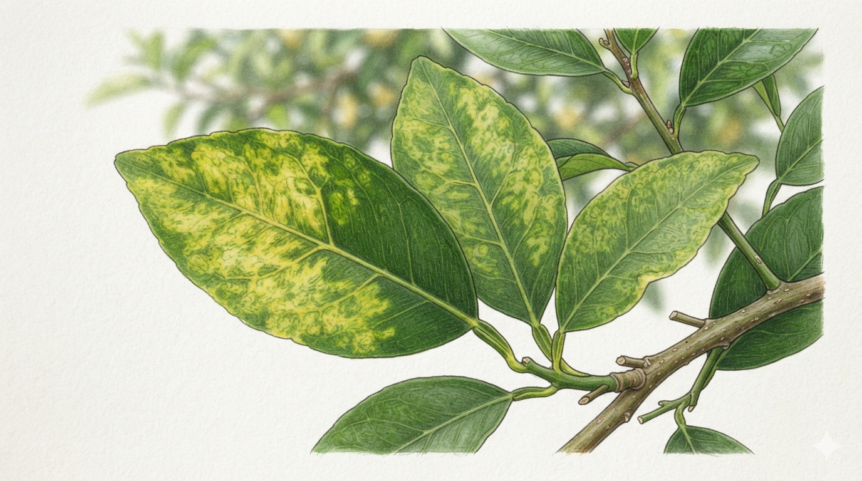
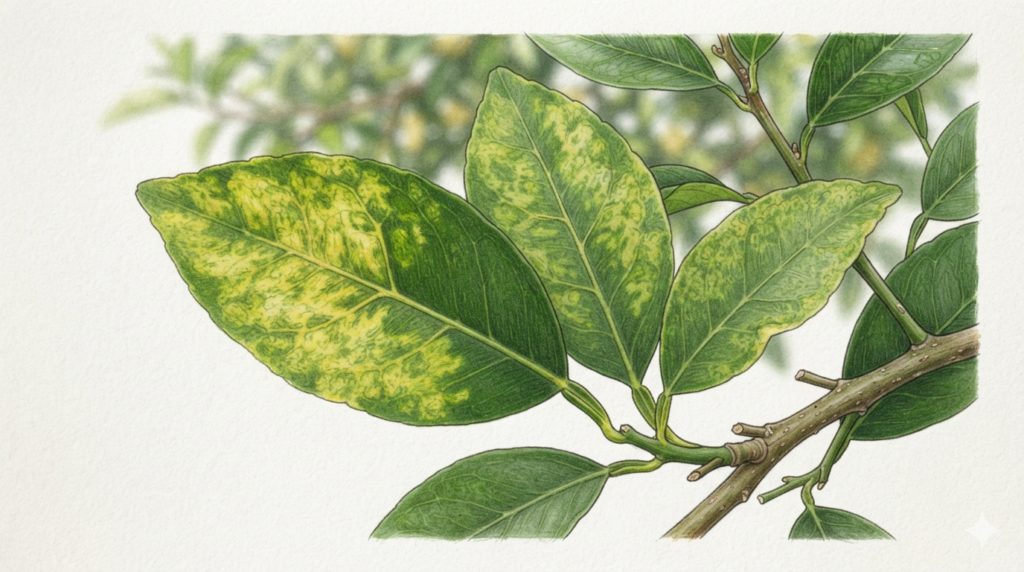
Citrus greening disease continues to loom over the cold-hardy citrus region. While the industry expands in South Georgia and North Florida, the threat of the disease (also known as huanglongbing, or HLB) remains a focal point of citrus meetings, including on July 28 at the Southeast Georgia Citrus Update in Lyons.
Jonathan Oliver, University of Georgia (UGA) assistant professor and small fruits pathologist, provided attendees with an overview of the disease’s impact in Georgia.
“We found HLB in a couple of new places in Lowndes County, mostly in residential locations,” Oliver said. “We did find it recently in a tree in a commercial grove in Appling County as well. We have now found it in several counties in the state in both residential and commercial settings. How widespread it is and how quickly it’s spreading is still an open question.
“Unfortunately, we are seeing signs of spread, and we’re finding psyllids in isolated locations — suggesting that we have had some spread in the past which possibly still may be occurring.”
The Asian citrus psyllid, which spreads citrus greening, was identified in commercial groves in 2023–24 in Pierce County and in 2025 in neighboring Wayne County.
Oliver said citrus greening has led to more than 90% decline in Florida citrus production since the disease’s discovery in 2005. Georgia’s citrus industry is hoping to avoid a similar fate. Its success will depend largely on the cooperation of homeowners whose trees might become infected. The most effective management strategy is to promptly remove infected trees.
“We’ve generally had a better response from our commercial growers. They’ll get rid of those trees,” Oliver said. “But in a residential situation, people might only have one tree in their yard. They might like their tree. They may not even be monitoring their trees. They may not even know they have psyllids or HLB-infected trees.”
Oliver said many of Georgia’s commercial citrus groves are isolated, so growers are not likely to see psyllid transmission between groves directly. But residential trees with HLB-infected psyllids that are in between commercial groves could potentially lead to disease spread.
“Those situations are my biggest concern — whether it’s unmanaged groves, residential trees or landscape trees that might get infected that aren’t monitored or maintained,” concludes Oliver.

By Clint Thompson