









A La Nina weather pattern is expected to last through early spring and bring warm and dry conditions to the Southeast. According to the Climate and Agriculture in the Southeast blog, Pam Knox, University of Georgia Extension Agricultural Climatologist, said that the NOAA’s Climate Prediction Center predicts a 100% chance of a La Nina through the winter and better than …
Crop Rotation Key to Long-Term Vegetable Production Success
One of the most fundamental practices regarding vegetable production is the implementation of crop rotation. Joe Kemble, Alabama Extension vegetable specialist, said crop rotation is a basic practice that is beneficial for any crop that’s grown. “Unfortunately in the south, we rarely have a break in season; a hard freeze and things like that which can help lower pest pressure. …
Storing Pecans May Not Be Best Option for Growers
A popular option that Georgia pecan producers are utilizing to combat low prices is to put them in storage in hopes of improved prices in the future. However, University of Georgia Cooperative Extension pecan specialist Lenny Wells cautions growers who take this approach. “That’s most of what I hear taking place. I haven’t heard a lot (of pecans) over the …
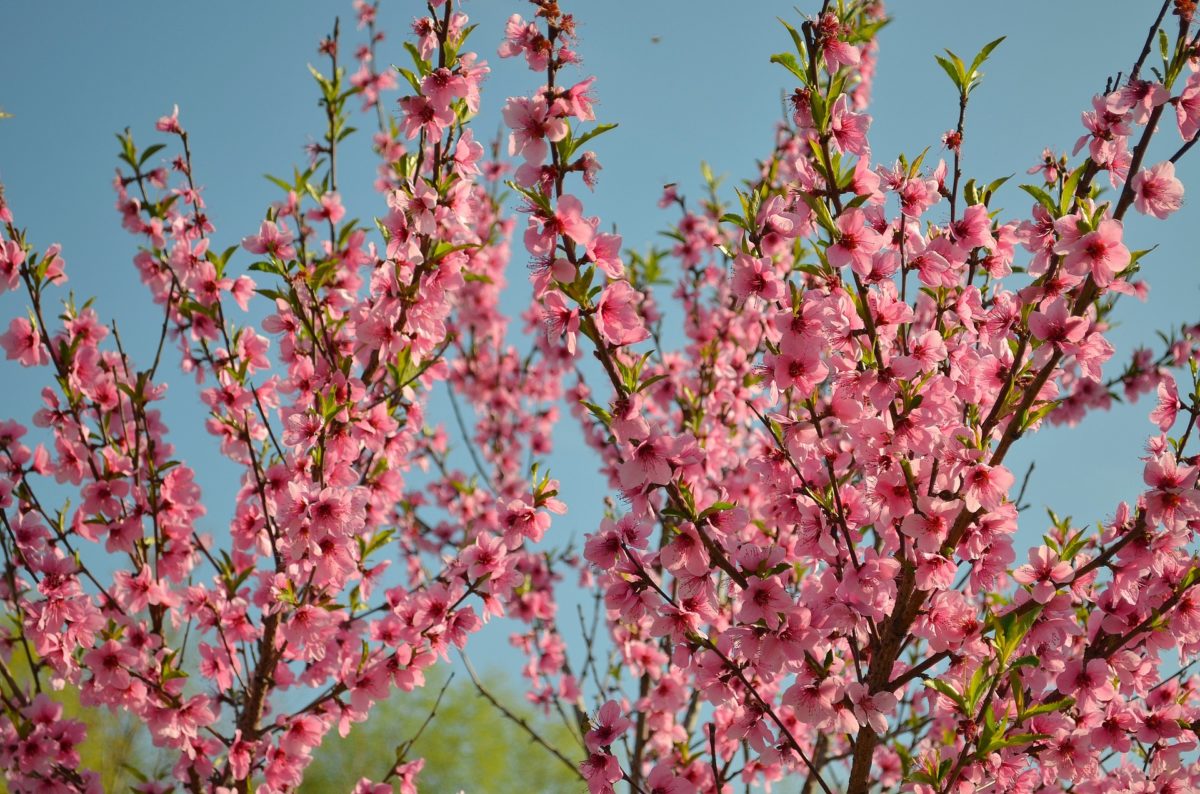
Remember to Plant Fruit Trees During Dormancy
Soon it will be time for homeowners and commercial growers to plant their fruit trees in Alabama. Edgar Vinson, assistant research professor and Extension specialist in the Department of Horticulture at Auburn University, reminds producers, whether they’re planting peach trees or apple trees, the time to do so is during the late fall or winter when the plants are dormant. …
Slug Damage a Concern for Growers Amid Rain, Heavy Soil Moisture
Rainfall this week combined with soil moisture can bring some unwanted problems for vegetable farmers and gardeners in Alabama, including slugs, according to Alabama Extension. Ayanava Majumdar, Alabama Extension Professor in the Department of Entomology and Plant Pathology at Auburn University, said attacks from slugs can occur at various stages of vegetable crops with high intensity noticed in the late …
ADAI Offers Reimbursement Program for Organic Certified Growers
Alabama producers who get certified organic between Oct. 1 and Dec. 15 are eligible for reimbursement from the Alabama Department of Agriculture and Industries. Farmers would be eligible to receive 50% of certification costs, up to $500. Those growers interested in recouping some of those expenses need to apply by Dec. 31. “That’s what makes it a little different than …
How Low Are Pecan Prices Compared to Previous Years?
Pecan prices are devastatingly low for Georgia producers. But how low are they compared to what farmers are used to this time of year? South Georgia pecan farmer Randy Hudson puts it in perspective. “We’re seeing prices anywhere from 30% to 50% less than what they’ve been the last three years,” Hudson said. “It makes a big difference. Of course, …
Scab Disease Important Factor to Consider Before Planting Pecans
Doug Chapman, Alabama Extension agent for Commercial Horticulture in North Alabama, says the ramifications of having scab disease in your pecan orchards can’t be understated. “It’s the difference between having pecans and not having them,” Chapman said. Even as pecan harvest is under way across Alabama, soon it will be time to plant new pecan trees. Pecan planting is usually …
Temporary and Permanent Pest Exclusion Systems for Vegetable Production
According to Alabama Extension, the demand for organic crop production has experienced an upward trajectory in recent years. This increasing demand means there is a need for more farmers to produce organic vegetables at a reasonable cost, while also being environmentally sustainable. For these producers, insect pest management is one of the aspects where they must watch their costs and …
Agricultural Acres Down Significantly Over Last 100 Years
Agricultural acres have dropped dramatically over the last 100 years throughout the Southeast. According to stacker.com, Georgia and Alabama were two of the top four states to see their farm land decrease the most. Based on numbers from the United States Department of Agriculture National Agricultural Statistics Service, Alabama, ranked No. 4 in decreased acres, had 256,099 farms in 1920 …